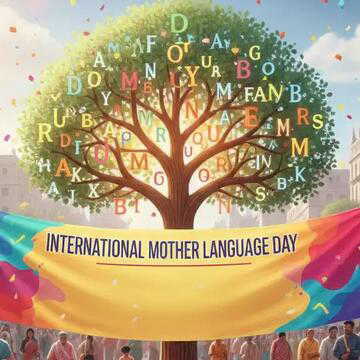
Every year, International Mother Language Day reminds us of the ways in which language shapes our identity, our memories and our sense of belonging. In India, discussions about language tend to focus on the big names: Hindi, Bengali, Tamil, Marathi, but beyond these widely-spoken tongues exists a richly woven fabric of language that remains largely invisible to the world outside the communities that sustain it.
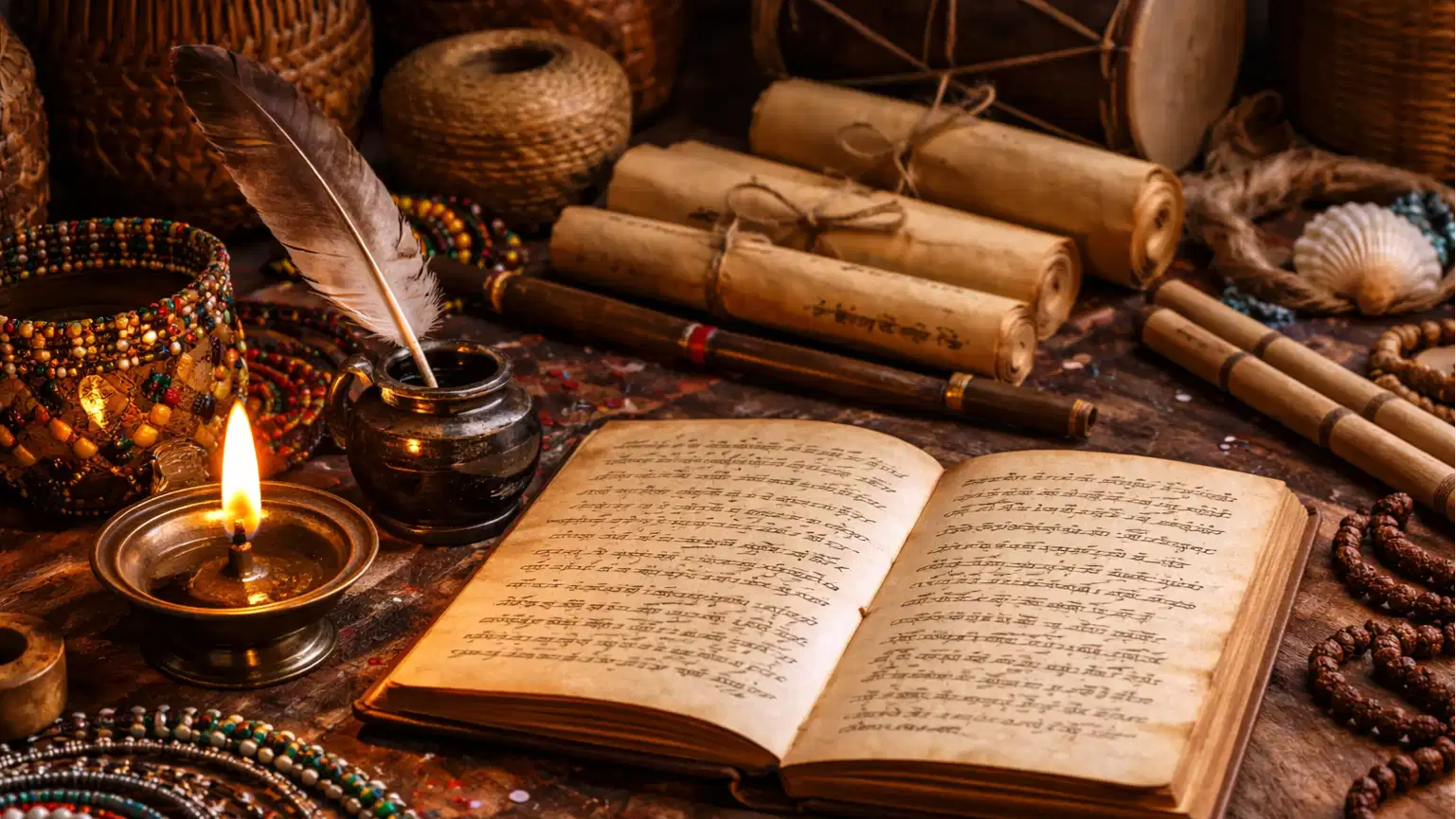
In India, there exist hundreds of languages and dialects, many of which are spoken by small groups of people living in isolated areas of rugged hills, forests, coastlines and borders. Some of these languages exist in a purely oral tradition, in songs, stories and conversation, but not in written form. Others exist in close-knit communities where language serves as a bridge between generations even as people move to cities and change their way of life.
Also Read | International Mother Language Day 2026: Theme, history and why February 21 matters
For speakers of these languages, these 'other' languages are not simply a means of communication but a source of stories, practices and knowledge that cannot be easily translated. However, because they remain sparsely documented and with fewer speakers, several of these languages rarely make it into the larger conversation about the linguistic diversity of India.
International Mother Language Day is an opportunity to move beyond the larger conversation and listen to the voices that are rarely heard. It is a celebration of the richness of linguistic diversity and a tribute to the languages that continue to exist in the background, sustained by the daily efforts of their speakers.
Here are some lesser-known Indian languages you may not have heard about:
Tulu: Spoken mainly in coastal Karnataka and parts of Kerala, Tulu has a strong oral tradition of folk songs and ritual theatre, such as Bhoota Kola. Although it once had its own script, it is now mostly written in the Kannada script.
Kodava: This language is native to the Kodagu district of Karnataka. The Kodava community speaks this language. It has unique cultural traditions and is usually written in the Kannada script.
Bodo: Recognised in the Eighth Schedule of the Indian Constitution, Bodo is mainly spoken in Assam. It is part of the Tibeto-Burman language family and uses its own script called Deodhai.
Gondi: Spoken by the Gond tribal communities in central India, Gondi is one of the largest tribal languages in the country. Various scripts have been developed for it, but it is commonly written in regional scripts.
Also Read | Inside Vayushakti-26: IAF gears up to unleash full combat power in Rajasthan
Khasi: Khasi is spoken in Meghalaya and belongs to the Austroasiatic language family, which is rare in India. It is written in the Roman script and has a strong tradition of oral storytelling.
Toda: This language is spoken by the small Toda tribal community in the Nilgiri Hills of Tamil Nadu and is an endangered Dravidian language with distinct sounds.
Nihali: One of India's most mysterious languages, Nihali is spoken in parts of Maharashtra and Madhya Pradesh. Linguists view it as a language isolate, which means it has no confirmed connection to other languages.
Great Andamanese: Spoken by the indigenous people of the Andaman Islands, Great Andamanese is critically endangered. Very few fluent speakers remain.