India and the United Kingdom (UK) have confirmed that their long-awaited Comprehensive Economic and Trade Agreement (CETA) will officially take effect from July 15, 2026. The announcement was made jointly by Prime Minister Narendra Modi and UK Prime Minister Keir Starmer, with British authorities describing it as the fastest implementation of a trade agreement after signing in the UK's history.
Calling the development a major step forward in bilateral ties, Modi said the agreement is "a historic milestone for India-UK relations" and will "significantly boost bilateral trade and investment" while creating new opportunities for Indian farmers, workers, MSMEs, startups and innovators.
India's Commerce Ministry said, "In a major stride for India’s global economic engagement, India and the United Kingdom today announced that the CETA will enter into force on 15th July 2026."
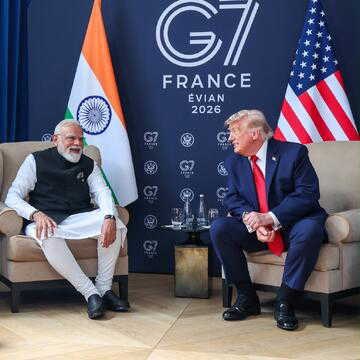
Also Read | 'Total Killer': Trump lauds PM Modi's political skills at G7 summit, hints at India visit soon
Steel trade dispute resolved
The trade pact was signed on July 24, 2025, but its implementation was delayed due to pending approvals and disagreements over Britain's steel safeguard measures.
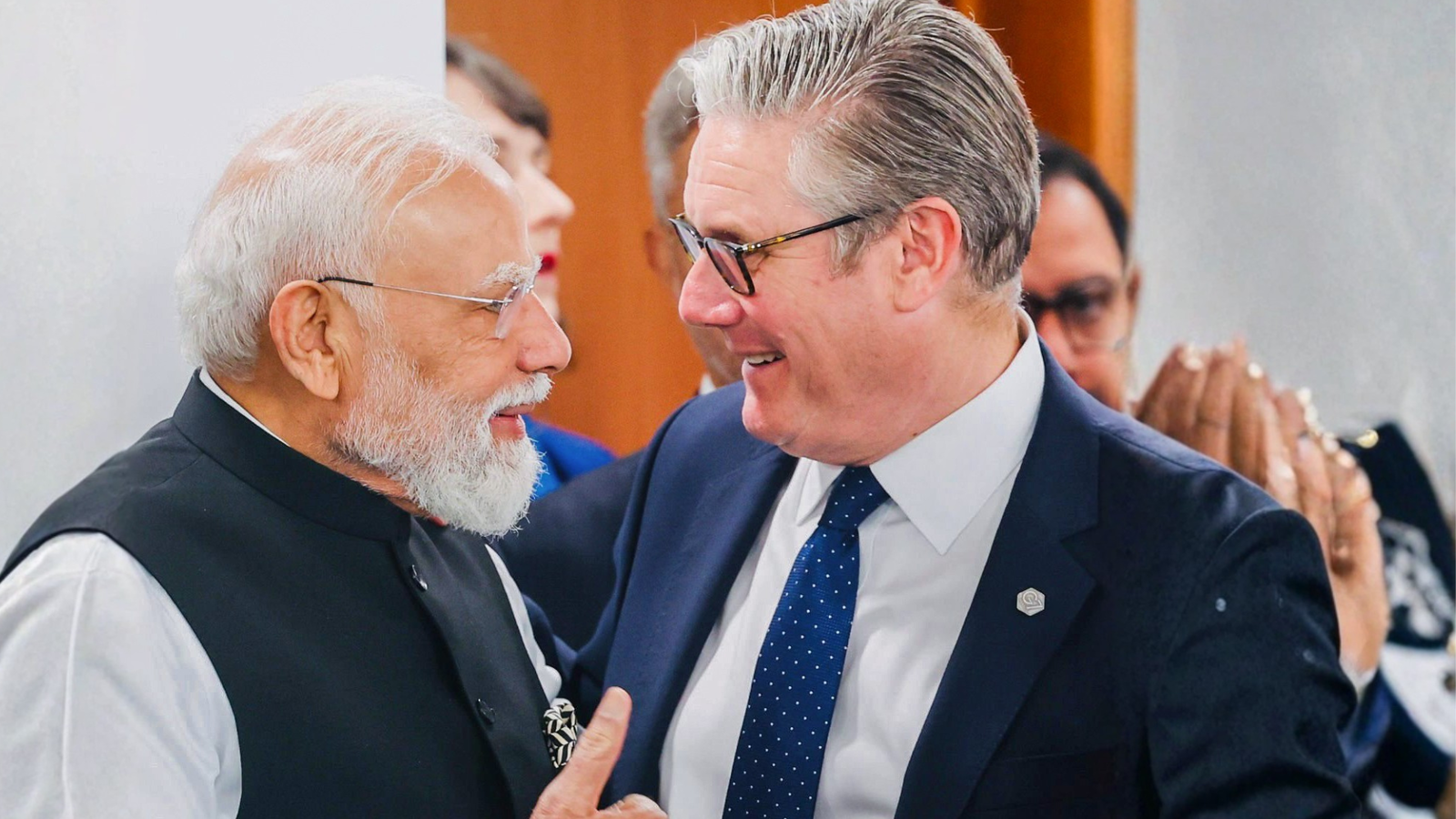
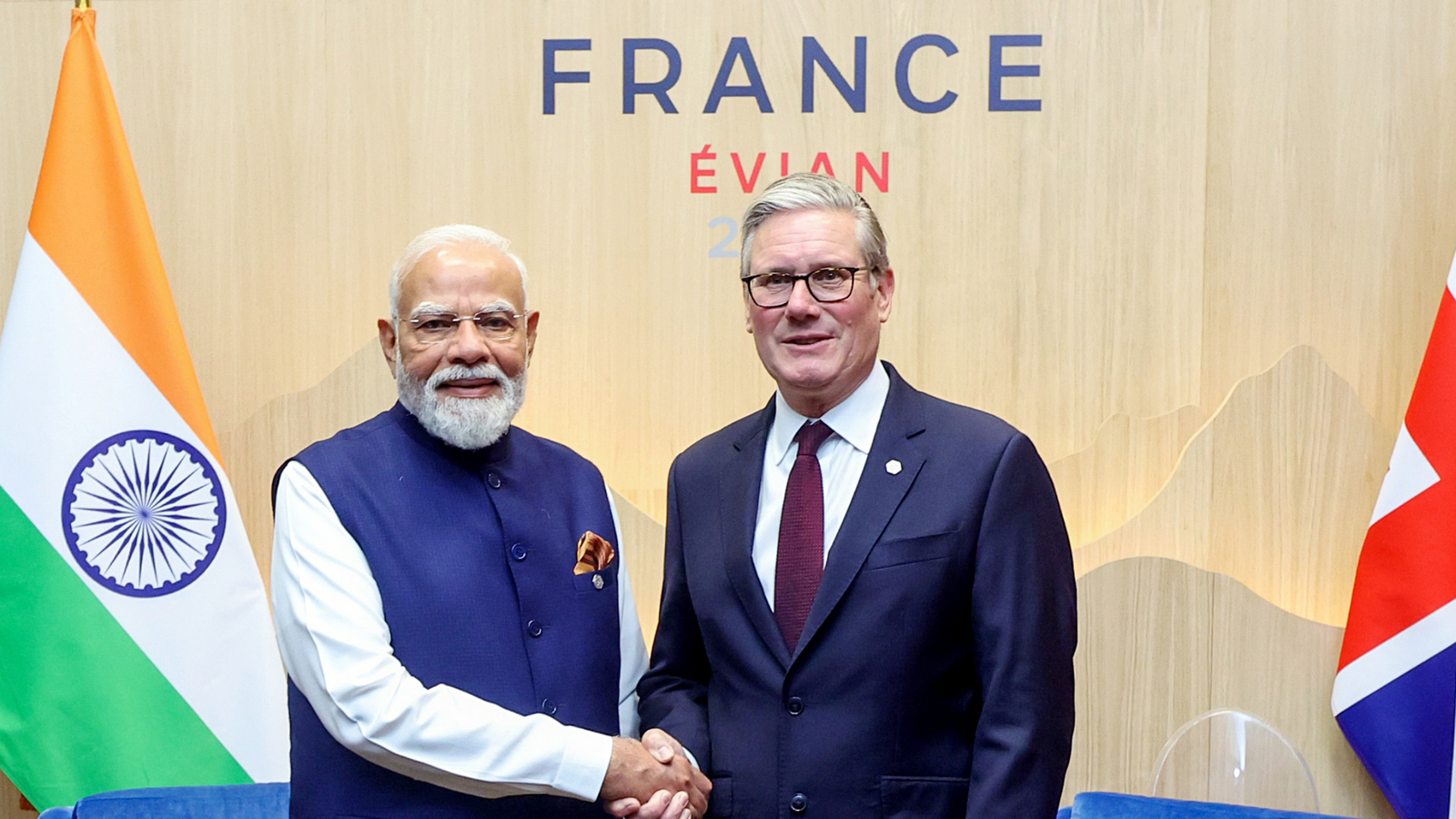 PM Modi interacts with UK PM Keir Starmer on the sidelines of the G7 Summit /ANI
 The UK had initially proposed duty-free access for only 60% of Indian steel exports by volume from July 1. Following negotiations, both countries reached a compromise, increasing the duty-free quota to 85%.
According to the Commerce Ministry, both sides had "successfully reached a landmark consensus to safeguard and promote bilateral steel trade."
"Following constructive deliberations regarding the UK’s upcoming steel measures effective July 1, 2026, both sides mutually agreed to protect commercial interests, minimize market disruptions, and ensure an overall balanced and stable trading environment for exporters," the ministry said.
Tariff cuts across key sectors
The agreement will bring tariff reductions across several sectors. Duties on Scotch whisky will gradually fall from 150% to 40%, while automobile tariffs will be reduced from 100% to 10% under a quota mechanism. Import duties on cosmetics will also be removed either immediately or in phases.
The UK will lower tariffs on several Indian exports, including clothing, footwear and selected food products, potentially making them more competitive in the British market.
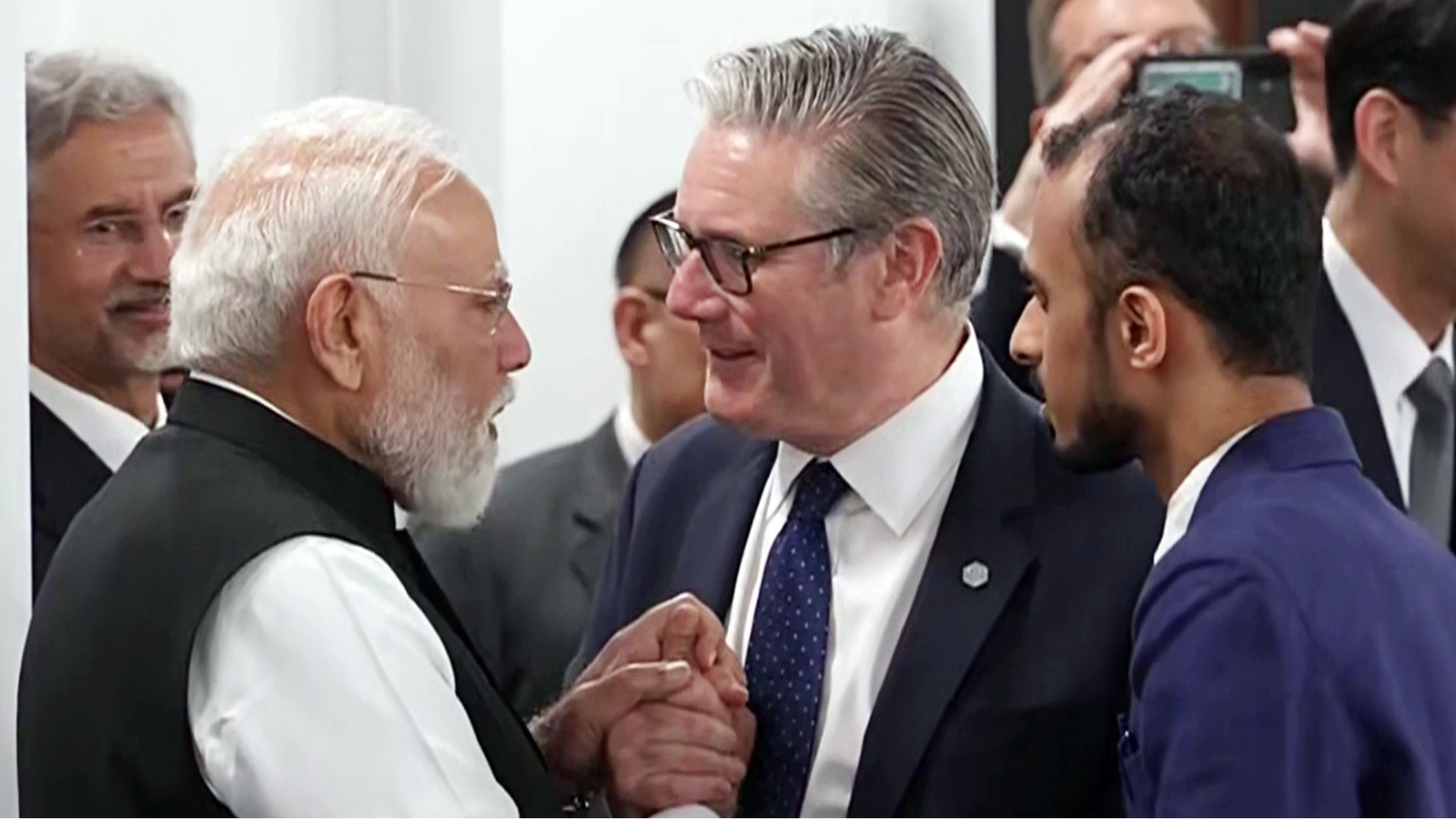 Prime Minister Narendra Modi in conversation with British Prime Minister Keir Starmer during the G7 Summit /ANI
 The deal is expected to add £25.5 billion annually to bilateral trade in the long term. It liberalises 99% of UK tariff lines and 90% of Indian tariff lines.
"We are bringing our landmark trade deal with India into force as quickly as we can because we want businesses in both India and the UK to immediately feel the benefits of 99% of UK tariffs and 90% of Indian tariffs being liberalised," UK Business and Trade Secretary Peter Kyle said.
"Trade is going to be cheaper, quicker, and easier for businesses on both sides," he added.
Also Read | UK ramps up pressure on Russia with new sanctions and nuclear fuel deal
Social security pact also to begin
Alongside the trade agreement, the Double Contribution Convention (DCC) will also come into force on July 15. The arrangement extends from 36 months to 60 months the period during which Indian professionals in the UK and UK nationals working in India can continue contributing to their home social security systems without dual contributions.
The rollout of the India-UK trade pact comes as New Delhi pushes ahead with multiple trade negotiations, including ongoing efforts to conclude agreements with the European Union and Canada.
FAQs:
When will the India-UK Free Trade Agreement come into effect?
The India-UK Comprehensive Economic and Trade Agreement (CETA) will come into force on July 15, 2026.
How will the India-UK FTA benefit Indian businesses and workers?
The agreement is expected to boost exports, create opportunities for farmers, workers, MSMEs, startups, and improve access to the UK market.