The Centre has rejected claims circulating on social media that the United States sought India’s permission to use its territory for launching strikes on Iran under the LEMOA pact. Officials described the claims as “baseless” and urged people not to spread misinformation.
The Ministry of External Affairs Fact Check issued a clarification on X, asking citizens to remain cautious of 'fake news alert'. It said, “Please stay alert against such false and baseless claims and posts on social media!” Officials also stressed that such assertions have no factual basis.
ALSO READ | Delhi assembly budget session to begin Monday; focus on 2026–27 roadmap
Govt denies role amid viral claims
The rumours picked up after rising tensions in West Asia and reports of US military activity near Sri Lanka, which led to speculation about India’s involvement. However, the government has clearly denied this, stating that no Indian ports or facilities were used.
Officials also said that similar claims about the use of Indian airspace and ports had surfaced earlier and were proven to be false.
Fake News Alert!
— MEA FactCheck (@MEAFactCheck) March 21, 2026
Please stay alert against such false and baseless claims and posts on social media! pic.twitter.com/oKRc2kefAo
What is LEMOA pact?
The Logistics Exchange Memorandum of Agreement (LEMOA), signed between India and the US in 2016, is a logistics pact that allows both countries’ militaries to access each other’s facilities for support such as refuelling, repairs and supplies.
However, it does not allow either country to launch offensive military operations from the other’s territory. The agreement is limited to logistics cooperation during activities like joint exercises, training and humanitarian missions.
ALSO READ | NIA takes over Osman Hadi murder case, adds UAPA charges as accused denies involvement
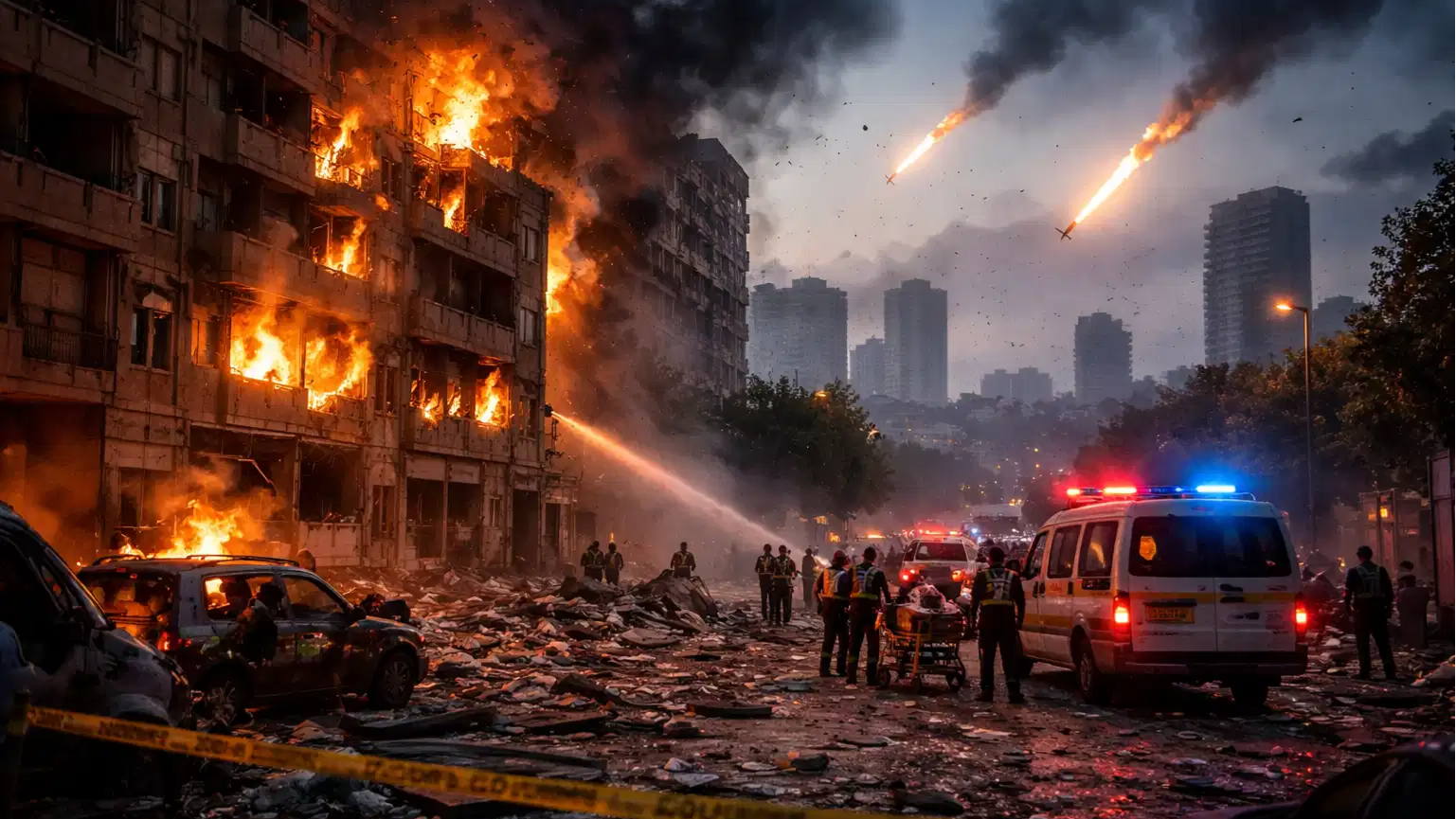
Tensions in West Asia rose sharply on February 28 after Israel and the United States carried out joint strikes on Tehran and other Iranian cities. Reports said the attacks led to the death of Iran’s Supreme Leader Ali Khamenei, along with several senior military officials and civilians.
In response, Iran launched multiple rounds of missile and drone attacks targeting Israel and US military bases in the region, further escalating the conflict.
As the situation worsened, the United States sought permission from the United Kingdom to use its military bases for strikes against Iran. The UK agreed, stating that the bases would be used for “operations to degrade the missile sites and capabilities being used to attack ships in the Strait of Hormuz.”
According to a Downing Street statement, Britain is also working with global partners to create a plan to protect international shipping in the Strait of Hormuz. However, it emphasised that the UK does not want to be drawn into a larger conflict.
Iranian Foreign Minister Seyed Abbas Araghchi warned the UK against supporting US and Israeli actions, saying such involvement could further escalate tensions.
UK Prime Minister Keir Starmer has also stated that Britain does not want a wider military role in the conflict. He said the UK will avoid getting involved in a broader war, even as it considers steps like naval deployments to protect main shipping routes in the region.