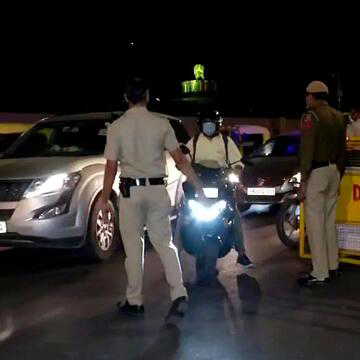
The Delhi Police has busted an LPG hoarding and black-marketing racket in the Mahipalpur area of the national capital, arresting three people during a raid. The accused have been identified as Krishna (33), Dinesh Sahu (46), and Mithilesh (39), all residents of Delhi originally from Bihar.
Three held in LPG hoarding crackdown
According to police, they had been involved in the illegal supply of LPG cylinders in the area for nearly three years. The operation was carried out by the Anti-Auto Theft Squad (AATS) of the South-West district after receiving a tip-off about illegal activities.
Also Read | Man in custody in Noida for alleged rape on false marriage assurance
During the raid, officials seized 70 domestic LPG cylinders, 54 filled and 16 used, along with four commercial cylinders. A vehicle, weighing machines, and gas transfer equipment used in the operation were also recovered. Police said the accused could not produce any valid licence for storing or selling LPG cylinders. During questioning, they allegedly admitted to selling cylinders without bills to make higher profits.
Also Read | Bengaluru woman killed by stalker despite prior complaint, sparks safety concerns
Illegal trade posed safety risks
Officials said such illegal hoarding and black marketing not only violate the law but also pose serious safety risks due to improper handling of highly inflammable LPG cylinders. Deputy Commissioner of Police Amit Goel said the action is part of an ongoing crackdown on the illegal trade of essential commodities in the city. Strict action will be taken against those involved in such activities, he added.
As per reports, an FIR has been registered under relevant sections of the Essential Commodities Act and provisions of the Bharatiya Nyaya Sanhita at Vasant Kunj North police station. Further investigation is currently underway to identify the full extent of the network. The case highlights continued concerns around LPG hoarding in Delhi, where such rackets often exploit supply gaps to sell cylinders at inflated prices, putting both consumers and public safety at risk.