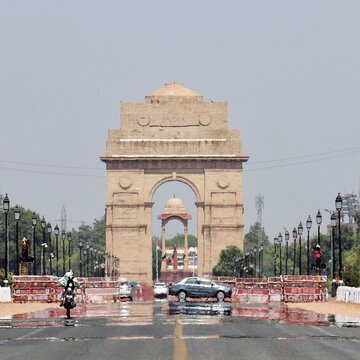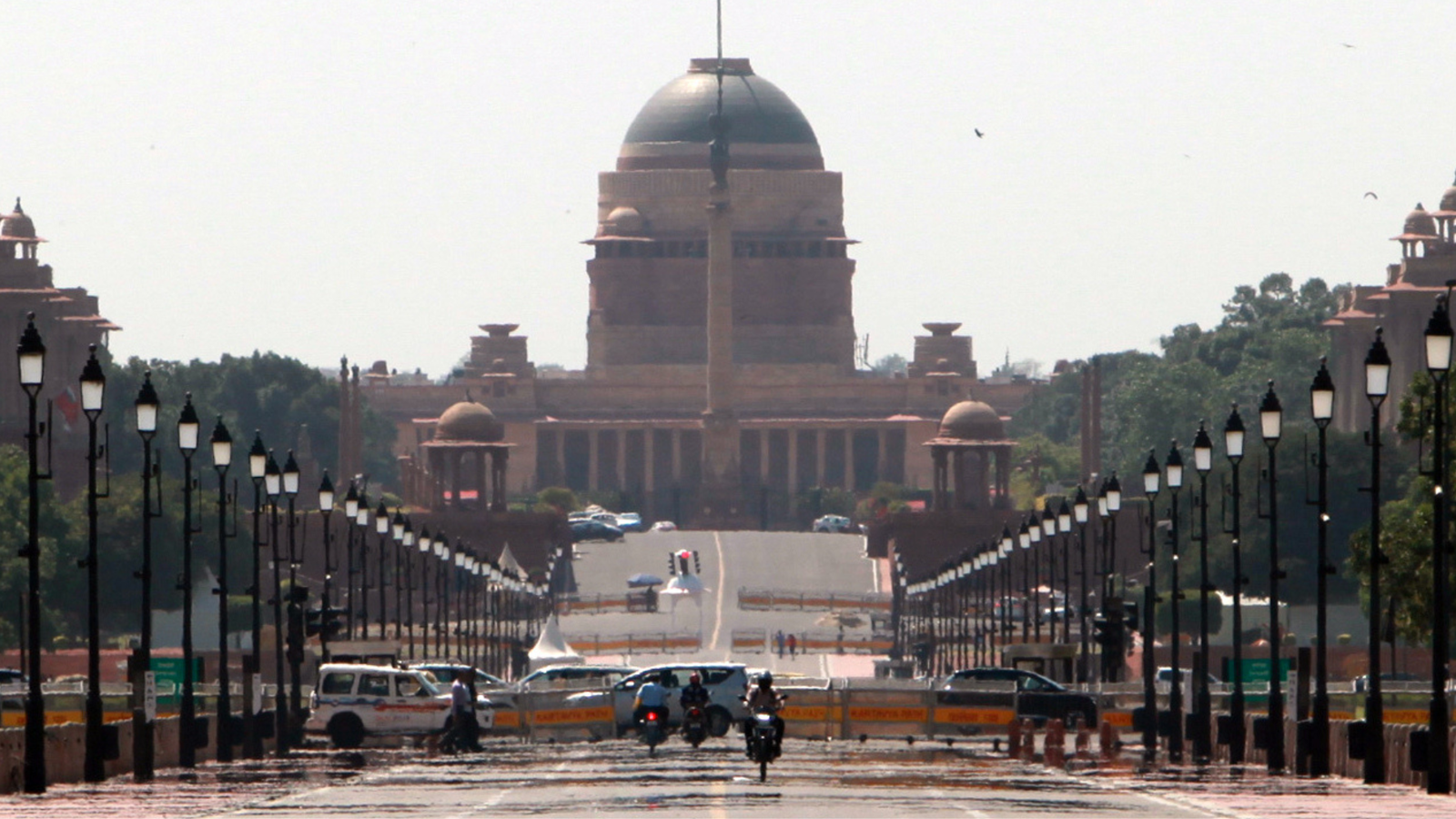
Why is India suddenly at the centre of the world’s heat map? The answer lies in the sheer scale of temperatures being recorded. According to AQI.in data released on April 21, 19 of the 20 hottest places globally are currently in India. The heat is not limited to one belt but spreads across Bihar, Odisha, West Bengal and Uttar Pradesh.
Bhagalpur, Talcher and Asansol have each touched 44C, the highest recorded anywhere at the time, as per an India Today report. Several other cities in Bihar such as Begusarai, Motihari, Munger, Bhojpur and Siwan, along with parts of eastern Uttar Pradesh and West Bengal, are close behind at around 43C. Lumbini in Nepal is the only non-Indian location in the top 20.
Why is the heat not letting up?
The India Meteorological Department has warned that these conditions are not easing anytime soon. Heatwave conditions are likely to continue from April 22 to 24, with temperatures possibly touching 43C in multiple regions. IMD defines a heatwave when temperatures cross 40C.
Also Read | Delhi sizzles at 40.7C, IMD warns of heatwave conditions by weekend
What stands out this time is how widespread the heat is. It is not a local spike but part of a broader atmospheric pattern affecting northern, central and eastern India together.
What is causing this extreme heat?
Meteorologists point to several factors working at the same time. Strong pre-monsoon solar radiation is heating land surfaces rapidly. With clear, cloudless skies across large regions, sunlight is directly raising ground temperatures without interruption.
Another key reason is reduced snowfall during winter across Eurasia and the Himalayas. Less snow means less reflection of sunlight, which accelerates warming. Changes in ocean patterns are also playing a role. Warmer Pacific waters and a shift towards ENSO-neutral conditions are affecting atmospheric circulation and weakening cooling weather systems.
At the same time, hot and dry north-westerly winds are sweeping across the plains. These winds prevent cloud formation and reduce the chances of rainfall, allowing heat to build further.
Also Read | Delhi heatwave alert: Government issues safety guidelines for schools as temperatures rise
Why are some regions seeing rain instead?
The situation is not uniform across India. While northern and central parts are facing extreme heat, southern and north-eastern regions are seeing moisture inflow and thunderstorms. This contrast highlights how weather systems are behaving differently across regions.
As per a report by News 18, experts say the concentration of extreme temperatures in one country points to rising climate variability. The trend indicates that such intense heatwaves could become more frequent.
With April still underway, there is little sign of immediate relief. Conditions are expected to remain harsh until pre-monsoon activity begins to pick up in the coming weeks.