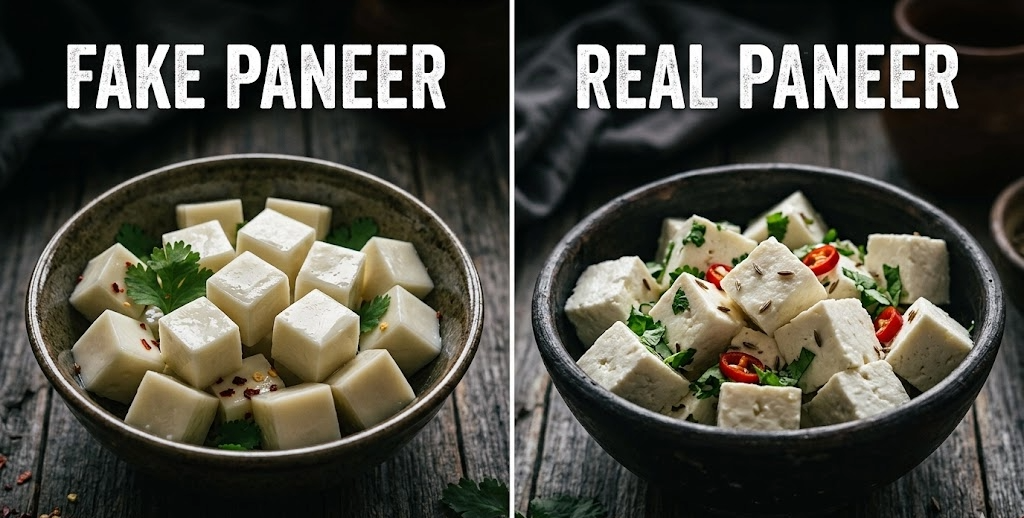
From May 1, restaurants, hotels, caterers, and food vendors across Maharashtra must clearly declare if they are using “cheese analogue” instead of real paneer or cheese. The Food and Drugs Administration (FDA) has introduced this rule to make sure customers clearly know what they are consuming.
This decision was taken after several complaints where dishes were being sold as paneer but actually contained non-dairy substitutes. Officials clarified that the purpose is not to ban such products but to ensure transparency and prevent customers from being misled in restaurants and packaged food items.
According to FDA Commissioner Shridhar Dubey-Patil, all menus, display boards, bills, and packaged food labels must clearly mention “cheese analogue” or “dairy analogue” wherever it is used. The rule is based on food safety regulations that give consumers the right to know exactly what is in their food.
Also Read | Can’t find Diet Coke? Here's what's causing the shortage
Mandatory labelling rules for restaurants
All restaurants, hotels, fast food outlets, and caterers must clearly mention if they use cheese analogue in dishes instead of real paneer or cheese. Announced by Food Safety Commissioner Shridhar Dubey-Patil, the new rule will be enforced from May 1 onwards. This means menus, display boards, and even bills must clearly mention if a dish contains “cheese analogue” or “dairy analogue.”
What is Cheese Analogue
Cheese analogue is made using oils, starches, and emulsifiers instead of milk. It may look similar to paneer but is different in ingredients and nutrition. Paneer is made only from milk, while cheese analogue is prepared using edible oils, starches, emulsifiers, and other non-milk ingredients. Although it may look and taste similar, it is different in terms of nutrition and composition. The FDA has clarified that these analogue products are not harmful. The main concern is not safety, but ensuring transparency so that customers clearly know what they are eating.
Consumer rights and transparency
As NDTV states according to multiple reports, consumer complaints led the Food and Drugs Administration (FDA) to introduce this rule. There were several cases where dishes were being sold as “paneer” but actually contained cheese analogue instead, which raised concerns about misleading food practices. The FDA referred to Section 18(2)(e) of the Food Safety and Standards Act, 2006, which ensures that consumers have the right to know what is in their food so they can make informed choices.
This rule applies not only to restaurants but also to packaged food products. Manufacturers and suppliers must clearly label items as “cheese analogue” or “dairy analogue” and avoid misleading names similar to paneer or cheese. All businesses are also required to follow the Food Safety and Standards (Labelling and Display) Regulations, 2020, and ensure that even bills, invoices, and point-of-sale displays reflect accurate information for complete transparency.
Strict action for violations
Any business not following the rule will face strict action under the Food Safety and Standards Act, 2006, including penalties for misleading labelling or false claims.
The new FDA rule focuses on honesty in food labelling and ensures customers are not misled when ordering paneer or cheese dishes in restaurants. It strengthens food transparency across Maharashtra’s dining and retail sectors.
Also Read | AI-powered hub, real-time tracking—here's how Delhi plans to monitor pollution
For consumers, this means better awareness and more careful food choices while eating out or buying packaged products. The move is expected to improve trust between customers and food businesses in the long run.
The FDA said the rule is based on consumer complaints and aims to ensure people can make informed food choices while eating out or buying packaged food.