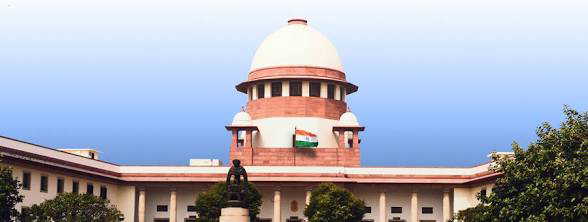
The Supreme Court on Friday sharpened its scrutiny of the National Testing Agency (NTA) over the NEET-UG 2026 paper leak, observing that the exam body should “learn from UPSC” as it heard petitions challenging the cancellation of the medical entrance test.
A bench of Justices P. S. Narasimha and Alok Aradhe said the issue would not go away unless accountability was fixed, while also flagging the need for an institutional mechanism that does not depend on ad hoc arrangements.
Also Read | ‘Not appearing on SIR electoral roll’ no ground to deny citizenship claims: SC
NEET-UG 2026 Cancellation : 'UPSC Never Had Paper Leak, NTA Needs To Learn' : Supreme Court Seeks Union's Affidavit On Reforms |@1Simranbakshi #SupremeCourt #NEET #NTA #SupremeCourt https://t.co/kWFrV0EQiD
— Live Law (@LiveLawIndia) May 29, 2026
Questions that refuse to fade
The hearing centered on the fallout from the May 3 NEET-UG paper leak, which led to the cancellation of the exam and a retest scheduled for June 21.
According to the court proceedings, the bench questioned how such a failure could occur even after earlier recommendations and monitoring steps had been put in place.
Justice Narasimha said the real problem would continue unless the specific duty bearers were identified and stressed that “actual accountability” mattered more than broad assurances.
Ridiculous and dangerous precedent. Scrap the NTA if it can’t conduct an exam. Sack the education minister for incompetence. https://t.co/pyo2bnounC
— P S Ramesh (@AuthrRSivaraman) May 29, 2026
The Centre told the court...
The Centre told the court that the re-conduct of the exam is being closely monitored, with Solicitor General Tushar Mehta stating that the prime minister is personally supervising the process.
The court also asked the Union government to file an affidavit explaining how “institutional memory of continuity” can be created through specialized personnel so that the NTA has the capacity to conduct examinations without repeated lapses.
Also Read | Collegium names 4 chief justices, senior woman advocate for Supreme Court
Old recommendations, new urgency
Dr. K. Radhakrishnan, who heads the monitoring committee formed in 2024, was also present before the bench and said the panel had submitted 35 long-term and around 60 short-term recommendations.
He told the court that most of those measures had already been implemented, though some were still under way. The earlier committee had recommended reforms on exam security, paper transportation, CCTV surveillance, candidate verification, encryption protocols, technological safeguards, grievance redressal, and international best practices.
The matter now includes petitions from groups such as the Federation of All India Medical Association and the United Doctors Front, which have sought a structural overhaul of the testing system.