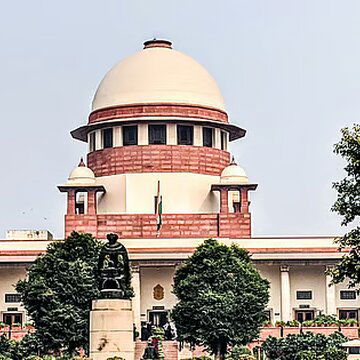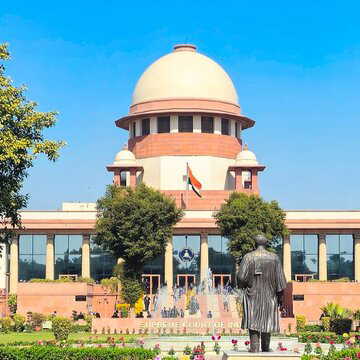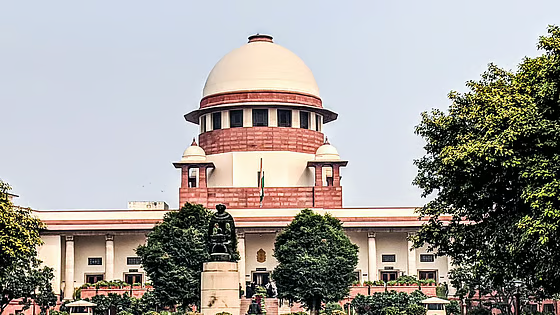
On Monday, the Supreme Court of India will hear the appeals filed by Meta Platforms Inc and WhatsApp against a penalty of Rs. 213.14 crore imposed by the Competition Commission of India (CCI) over their privacy policy.
A bench led by Chief Justice of India Surya Kant, along with Justices Joymalya Bagchi and Vipul M Pancholi, is likely to take up the matter. The case concerns data sharing, user consent, and alleged market dominance, PTI reported.
On February 3, the court made strong remarks. It said companies cannot "lay with the right to privacy of citizens" in the name of data sharing. The bench also raised concerns about monopoly and misuse of private information.
Privacy concerns and court observations
The court criticised WhatsApp's privacy policy. It spoke about "silent customers" who may not fully understand how their data is used. The bench said many users are digitally dependent and unaware of the implications. It added that citizens' rights must not be harmed, as reported by PTI.
Also Read | No automatic bail for juveniles in heinous crimes, says Chhattisgarh High Court
The appeals challenge a CCI order that fined the companies Rs. 213.14 crore. The regulator had found issues with the 2021 privacy policy and data-sharing practices.
NCLAT ruling and cross appeal
On November 4, 2025, the National Company Law Appellate Tribunal (NCLAT) set aside part of the CCI order. It removed a five-year ban on WhatsApp sharing user data with Meta for advertising. However, it kept the Rs. 213 crore penalty.
Also Read | 'Who will pay for it?': Supreme Court questions Tamil Nadu government over freebies
Later, NCLAT clarified that its safeguards apply to all user data sharing, not just advertising. The Supreme Court had earlier said it would pass an interim order on February 9. It also directed that the Ministry of Electronics and Information Technology be made a party to the case.
The CCI has filed a cross-appeal. It has challenged the NCLAT decision that allowed continued data sharing for advertising. The top court will now examine all pleas together.