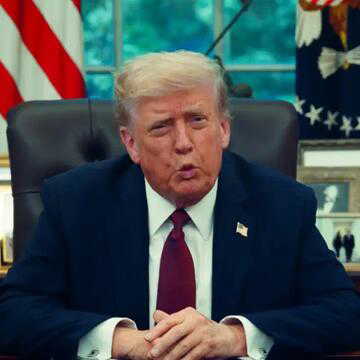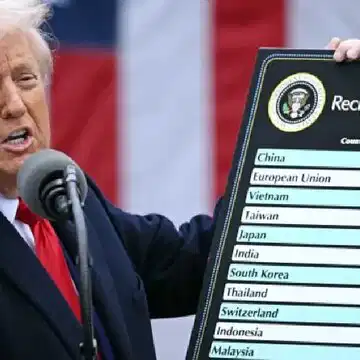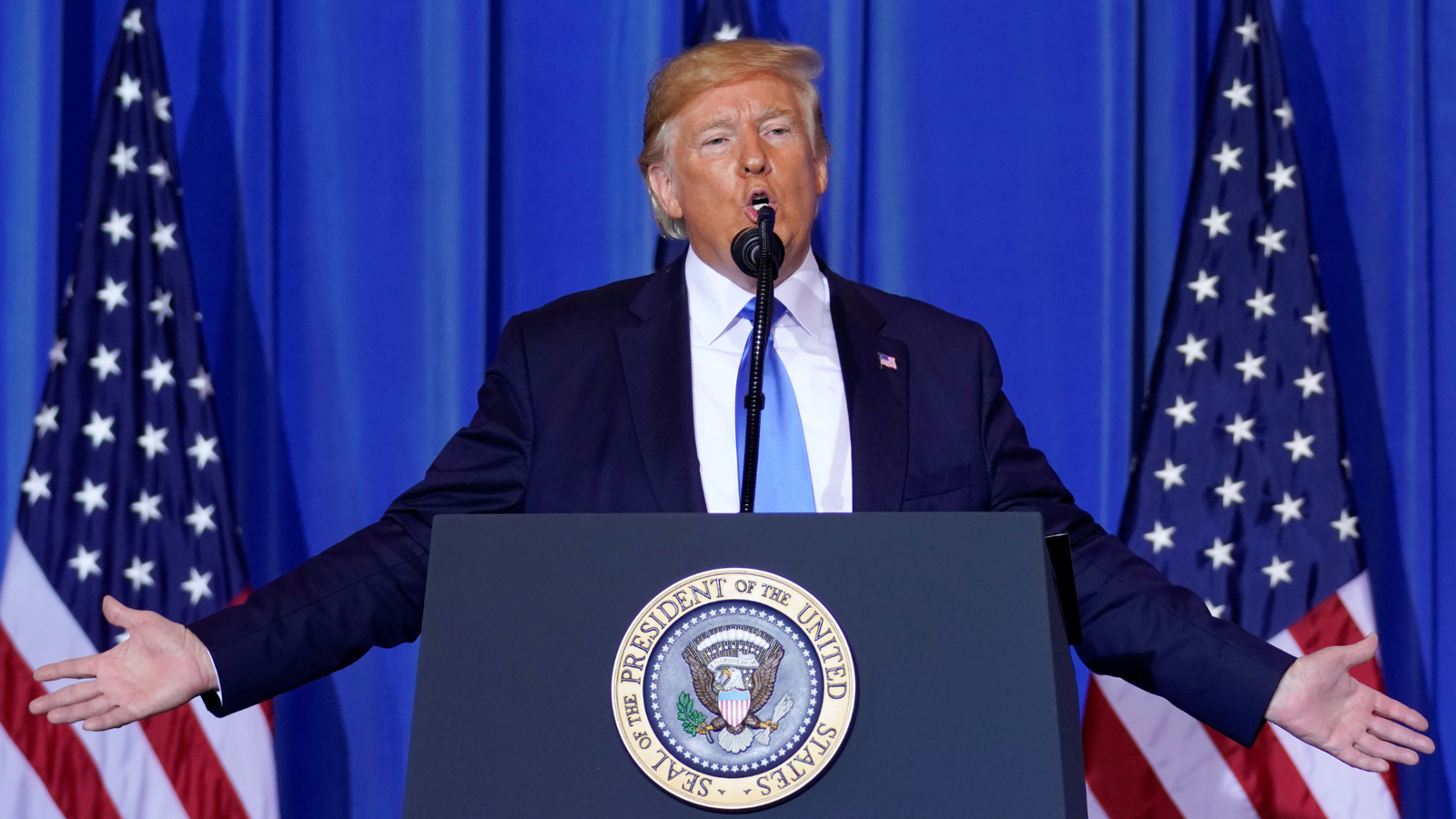
US President Donald Trump has announced that the proposed global tariff will be increased to 15 per cent, up from the 10 per cent declared a day earlier. The move follows a US Supreme Court ruling that curtailed his use of emergency powers to impose sweeping trade duties.
In a post on Truth Social, Trump said that he made the decision “based on a thorough, detailed, and complete review of the ridiculous, poorly written, and extraordinarily anti-American decision on Tariffs issued yesterday” by the US Supreme Court. The development adds another layer of uncertainty to an already shifting tariff landscape for key trading partners, including India.
Supreme Court ruling triggers fresh action
On Friday, the US Supreme Court ruled 6-3 that tariffs imposed under the 1977 International Emergency Economic Powers Act were unconstitutional. The court held that the law does not authorise the President to levy tariffs using emergency powers.
In response, Trump signed an executive order introducing a 10 per cent tax on imports from around the world, structured in a way that bypasses Congress. However, such tariffs are valid for 150 days unless extended through legislation.
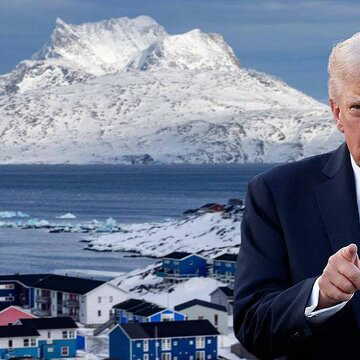
Also Read | Donald Trump announces 'great hospital boat' headed for Greenland, sparks fresh debate
Hours later, he raised the proposed global tariff to 15 per cent. The White House clarified that countries with existing trade agreements with the US, including India, would temporarily face a 10 per cent rate before revised duties come into effect.
How does this affect India?
India’s tariff position has shifted several times over the past year. In 2025, Indian exports were subjected to 25 per cent reciprocal tariffs, later increased to 50 per cent after an additional 25 per cent duty linked to India’s Russian oil imports.
In February 2026, the two countries agreed on a framework for an interim trade deal, reducing reciprocal tariffs on India to 18 per cent.
Supreme Court ruling and Trump’s response
On Friday, the US Supreme Court struck down the tariffs that President Donald Trump had imposed using emergency powers, including the so-called reciprocal duties applied to several countries.
In a 6-3 verdict, the court said the 1977 International Emergency Economic Powers Act does not give the President the authority to levy tariffs.
Also Read | Which products escape Donald Trump's new 10% tariff? Full list explained
Trump reacted sharply to the judgment. He said he was “absolutely ashamed” of the judges who ruled against him and described them as “disloyal to our Constitution” and “lapdogs.”
Within hours of the ruling, he announced a 10 per cent global tariff on US trading partners. The White House later clarified that nations with trade agreements with the United States, including India, would temporarily face a 10 per cent rate before revised duties are introduced.
At the same time, Trump praised the three judges who dissented. “My new hero is United States Supreme Court Justice Brett Kavanaugh and, of course, Justices Clarence Thomas and Samuel Alito. There is no doubt in anyone’s mind that they want to, MAKE AMERICA GREAT AGAIN!” Trump wrote on Truth Social.