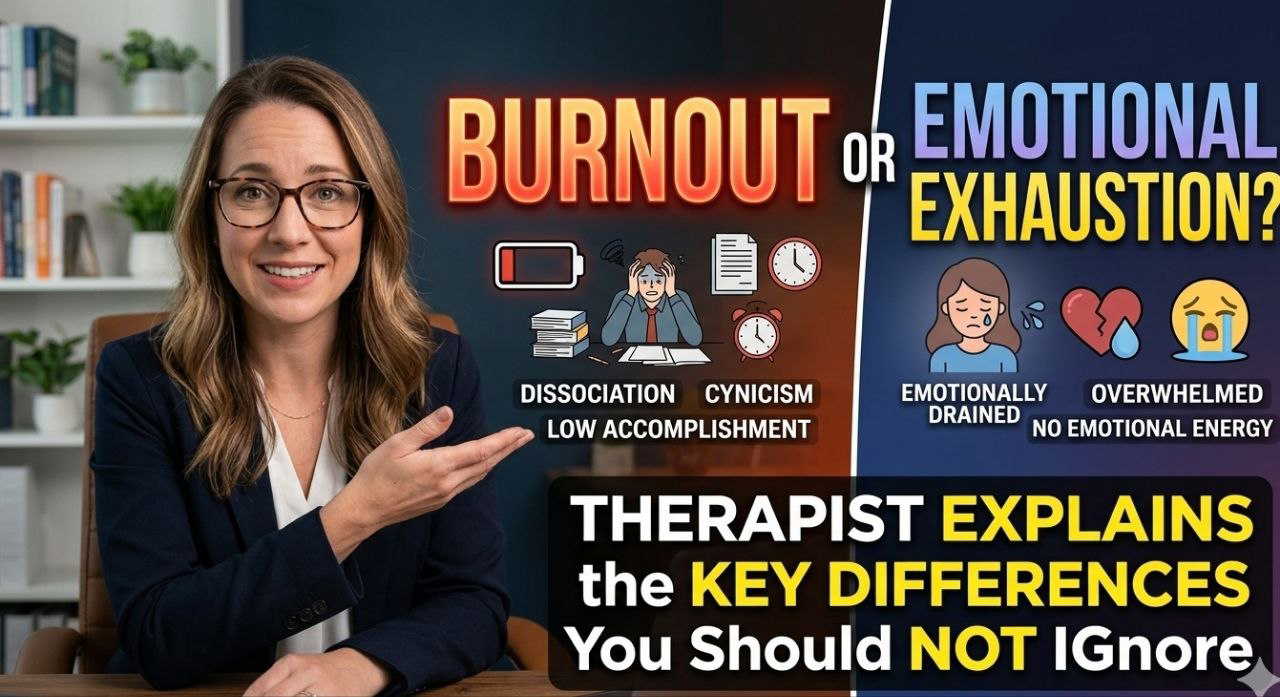
Feeling mentally and emotionally tired has become a very common thing in today’s busy life. Many people call this burnout without understanding that not all tiredness is the same.
Even though emotional exhaustion and burnout may look similar, they are actually nothing but just different levels of stress. Not understanding this at an early stage can delay recovery and make things worse over time.
In a conversation to Hindustan Times, counsellor and family therapist Archana Singhal, founder of Mindwell Counsel, explained how these conditions differ and why recognising them early matters.
Understanding emotional exhaustion
According to Hindustan Times, Archana Singhal explained, “Emotional exhaustion is a condition of being emotionally depleted, tired, and overpowered. It is normally brought about by stress, be it work-related, domestic, or tough life circumstances.” She added that it often shows up as constant fatigue, irritability, and difficulty staying engaged in everyday tasks.
Also Read | Stuck job hunting? You might be 'doomjobbing' without knowing it
She further noted that this condition is usually situational. “It is circumstantial and can be improved by good rest, support, and stress management techniques,” highlighting that recovery is possible with timely care.
What burnout really means
Burnout is more serious and lasts for a long time. It happens slowly because of too much stress, especially from work. Archana Singhal said to Hindustan Times that it is not just about feeling tired, but it also affects the mind in a deeper way.
Also Road | Stuck job hunting? You might be 'doomjobbing' without knowing it
She further explained, “There are three major factors, namely: emotional exhaustion, depersonalisation (a sense of detachment or cynicism towards the work or people), as well as a lesser sense of personal accomplishment.” These symptoms can leave individuals feeling disconnected, unmotivated, and ineffective.
How burnout affects daily life
According to Archana Singhal, people with burnout often feel disconnected, unmotivated, and not very productive. This can affect their work as well as their personal life, making relationships and daily routines harder for them to manage.
Unlike emotional exhaustion, burnout is more serious and difficult to recover from. It may need proper help like counselling, changes in lifestyle, and support at the workplace.
Why recognising the difference matters
Understanding the difference is important because emotional exhaustion can be an early sign of burnout. If you deal with it early by resting, talking to others, and managing stress, you can recover faster. However, ignoring it can lead to burnout, which requires deeper intervention.
Archana Singhal said that to Hindustan Times that, “Emotional exhaustion can be addressed in the short-term, by taking time off or altering working hours, but in most instances, the burnout will require more endemic care that can involve improved workload management, supportive leadership, and access to mental health.”
Knowing whether you are just emotionally tired or actually burnt out is the first step to taking care of your mental health. If you understand it early, you can stop things from getting worse.
By recognising the signs and getting the right help, you can take better care of yourself and deal with stress in a healthier way in both personal and work life.