Global football body FIFA has pushed back against mounting criticism over steep transport costs for the 2026 World Cup, arguing that high train fares could harm the overall fan experience rather than just their wallets.
The controversy was triggered after Mikie Sherrill criticised the pricing model, pointing out that fans may have to pay as much as $150 for a short 30-minute journey via NJ Transit from New York to match venues.
Sherrill has urged Fifa to step in and subsidise public transport, arguing that fans are being unfairly burdened despite the tournament’s massive projected revenues.
Concerns over fan movement and congestion
Fifa, however, maintains that the issue goes beyond pricing. Chief operating officer Heimo Schirgi warned that such high fares could have a “chilling effect,” potentially pushing fans toward less efficient travel options.
According to Fifa, expensive public transport may lead to increased reliance on private vehicles, raising the risk of traffic congestion, delayed arrivals, and logistical strain on host cities. The organisation emphasised that smooth mobility is crucial to ensuring a seamless and enjoyable tournament experience.
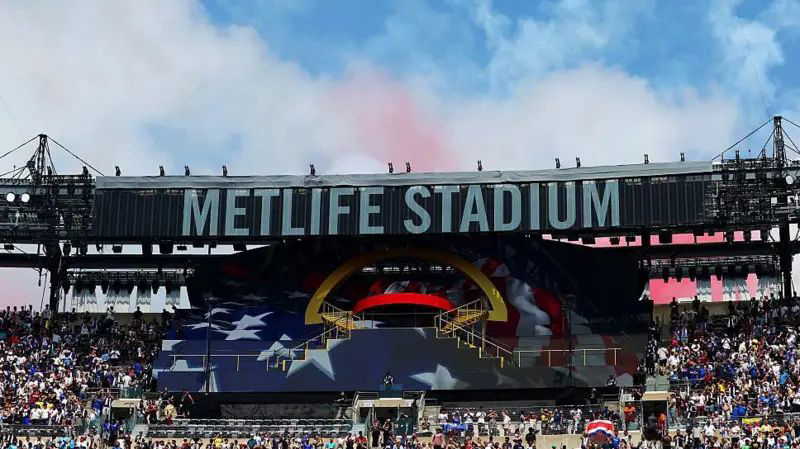
The governing body reiterated that its priority is to reduce congestion and ensure accessibility, especially for major venues like MetLife Stadium, which is set to host eight matches, including the final.
Also Read | Carrick refuses to close door on Rashford's return : what's going to happen next?
Dispute over financial responsibility
At the heart of the dispute is the question of who should bear the cost of transport infrastructure during the tournament. Sherrill claimed that local authorities are left with a significant financial burden, with NJ Transit reportedly facing a bill of $48 million while Fifa contributes nothing directly toward transport.
Fifa rejected these claims, calling the demand for it to absorb such costs “unprecedented.” The organisation stressed that similar expectations have not been placed on organisers of other global sporting or entertainment events.
Revenue debate and long-term impact
Fifa also addressed criticism surrounding its projected $11 billion revenue from the tournament, clarifying that it operates as a not-for-profit organisation. It stated that revenues are reinvested into global football development, particularly grassroots, youth, and women’s programmes.
Additionally, Fifa noted that host city agreements were finalised as early as 2018, with transport strategies already outlined in collaboration with local organisers.
Wider implications for the World Cup
The debate highlights broader concerns about accessibility and inclusivity at major sporting events. With no discounted fares for children or seniors and alternative transport options also priced steeply, critics argue that the cost barrier could limit attendance.
As preparations continue for the 2026 tournament, the issue of transport affordability is likely to remain a key talking point, with both organisers and local authorities under pressure to strike a balance between operational costs and fan accessibility.