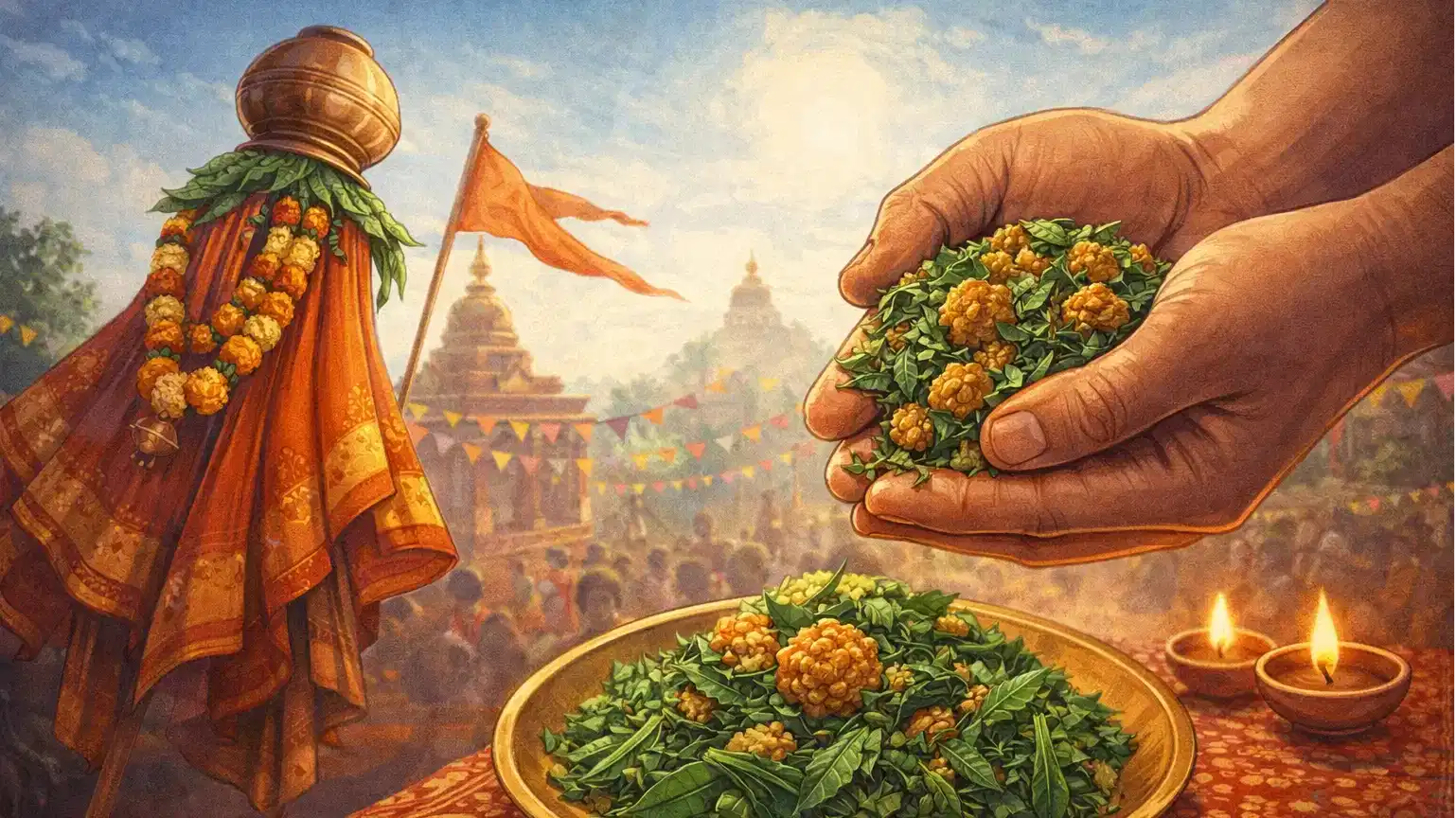
As people in the state of Maharashtra gear up to celebrate the festival of Gudi Padwa, one tradition that has been standing out in terms of its symbolism and significance is the consumption of neem leaves at the beginning of the new year itself.
Gudi Padwa is a festival that is celebrated as the beginning of the new year in the Hindu calendar, and as a part of this celebration, a number of traditions are followed that are a perfect amalgamation of culture and seasonality.
Also Read | Are at-home wellness services now becoming necessary support systems for men?
A ritual rooted in symbolism
As per the traditional notion, the use of neem and jaggery together symbolises the duality of life. The bitterness of neem is said to symbolise the hardships faced in life, and the sweetness of the jaggery is said to symbolize the joy and success received in life.
This is a reminder that one should embrace everything in life, be it good or bad, in the same state of mind as the New Year begins. The mixture is popularly known as Kadulimbachya Golya and is often made in Marathi households and distributed among the members as a New Year's treat.
Beyond tradition: health and seasonal logic
Apart from its symbolic significance, the intake of neem during this period is also connected to the transition of the seasons.
Neem leaves have antimicrobial and antioxidant effects that may help build up the immune system and aid digestion, especially during the transition from winter to summer.
Another connection is that neem is believed to aid in cleansing and renewal. Neem is said to purify the system and help individuals start afresh. This is connected to the spiritual theme of Gudi Padwa as a festival of renewal.
Also Read | From Dickens to Orwell: 10 iconic opening lines that shaped the course of literature
A cultural practice that endures
Though today’s Gudi Padwa festivities involve decorations, rangoli designs, and food, rituals such as the use of neem remain relevant across generations.
For many, it is beyond the traditional act and is more of a silent acknowledgment of the unpredictability of life and its commencement as a symbol of resilience and equilibrium.