In recent years, the idea of men seeking wellness support has undergone a quiet but powerful shift. What was once stigmatised or sidelined is now steadily entering mainstream acceptance, thanks in large part to the rise of at-home wellness services. From therapy sessions and fitness coaching to grooming and stress management, these services are increasingly becoming not just a convenience but a crucial support system.
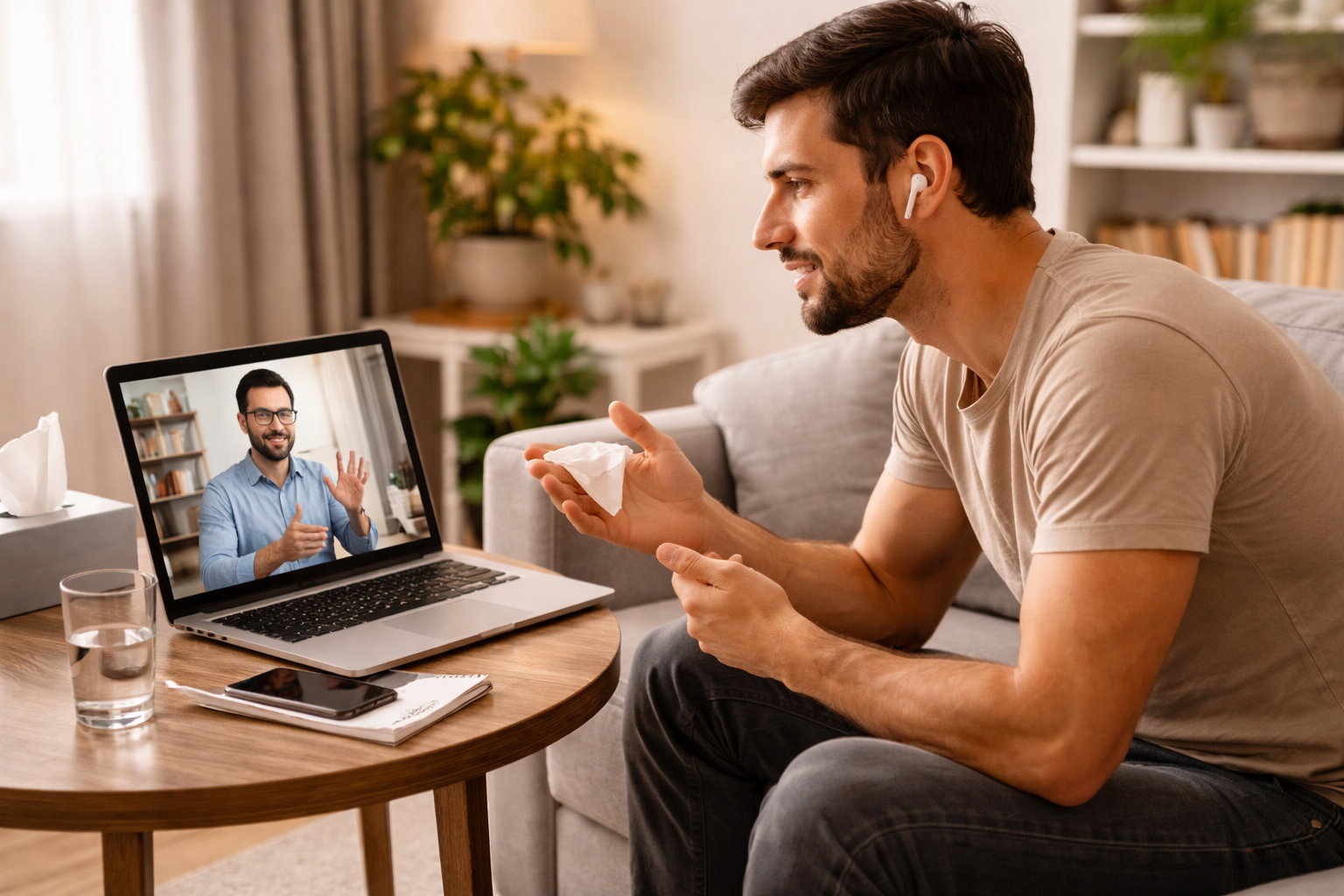
Traditionally, men have been conditioned to internalise stress, often avoiding formal avenues of help. However, changing social narratives and heightened awareness around mental health have begun to dismantle these barriers. At-home wellness services, accessed through apps and digital platforms, offer a private, judgment-free space, something particularly appealing for those hesitant to step into clinics or salons.
The convenience factor is undeniable. In fast-paced urban lives, especially in cities like Kolkata, time constraints often prevent individuals from prioritising self-care. At-home services eliminate travel and waiting time, seamlessly integrating wellness into daily routines. Whether it’s a late-evening therapy session, a guided yoga class in the living room, or a professional grooming service at home, accessibility has transformed intent into action.
"I've been lately dealing with a ton of stress. And some that I can't really explain due to uncertainties in the world around us. In such times a good massage is something I look forward to. It eases me down, relaxes me and takes the edge off. I'd say I'd put it in the "necessary" bracket given my line of work," explains Aritra Sen, a resident of South Kolkata, who owns a content writing agency.
ALSO READ | Trying to lose weight? 6 habits that could help you lose up to 15 kg in 2 months
Breaking stigma: Men embracing private, at-home wellness support
More importantly, these services are addressing a deeper need, emotional and psychological support. Virtual therapy platforms and mental wellness apps have seen a notable uptick in male users. The anonymity and comfort of familiar surroundings make it easier for men to open up about anxiety, burnout, or personal struggles. In this sense, at-home care is not just about physical well-being; it’s fostering emotional resilience.
On this, Avelo Roy, Lead Investor, Yes Sir & MD, Kolkata Ventures, told News Ei Samay, "Urban men across India are waking up to the reality that they are not just ATMs serving their family. For generations, men have been conditioned to push through pain, suppress stress, and simply soldier on. But the body and mind keep the score."
"The numbers reflect this shift- the global men’s wellness market is on track to double from $1.27 trillion to $2.57 trillion by 2029, with India’s men’s personal care segment alone growing 10% annually. At Yes Sir, we see this every day. Men are choosing private, judgment-free spaces to decompress and recharge. When a man takes care of himself — even through something as simple as a massage — he returns to his responsibilities with a clearer mind and a healthier body," Roy continues.
Physical health, too, is being reimagined. Personalised fitness programs, diet consultations, and even physiotherapy sessions are now available at home. This customisation ensures that wellness is not a one-size-fits-all model but a tailored experience, encouraging consistency and long-term commitment.
ALSO READ | March 2026 festival calendar: Eid ul-Fitr, Gudi Padwa, Navratri dates — here’s the full list
How at-home services are redefining modern self-care
However, the growing reliance on at-home services also raises questions. Can digital or home-based interactions fully replace in-person human connections? Are these services accessible across socio-economic groups, or are they still limited to urban, tech-savvy populations? While the model is promising, it is not without its limitations.
Yet, what remains undeniable is the cultural shift it signifies. Men are increasingly prioritising their well-being, and at-home wellness services are enabling that change by removing barriers of time, stigma, and accessibility. They are not merely a trend; they are evolving into a support system that aligns with modern lifestyles.
In a world where pressures continue to mount, the ability to seek help from the comfort of one’s home might just be the quiet revolution men needed.