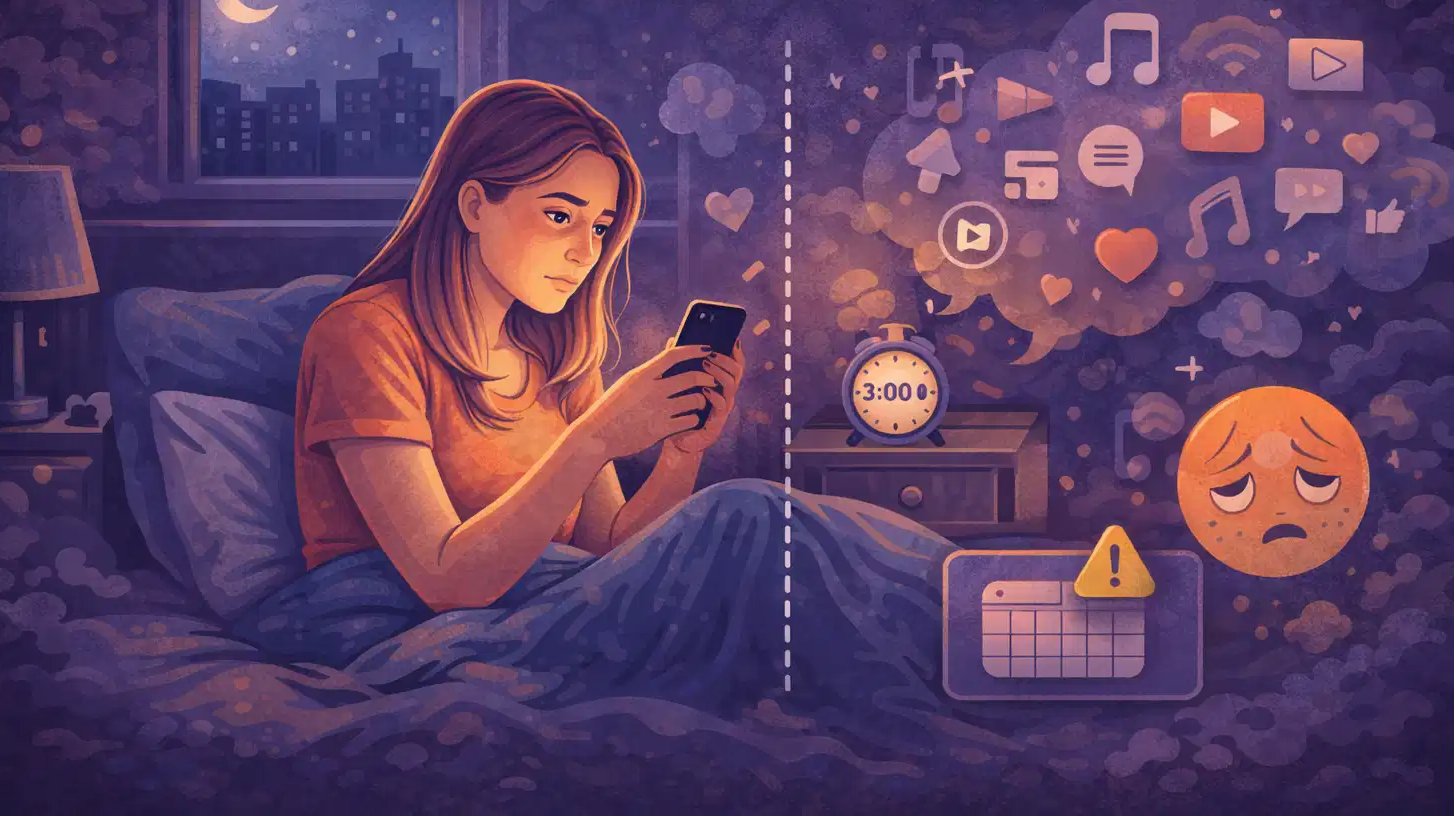
Many people end their days feeling exhausted, yet they stay awake long after they should be asleep. Rather than going to bed, they decide to surf social media, watch their favourite shows, and even stay by themselves for some time.
This phenomenon, according to psychologists, is referred to as revenge bedtime procrastination, where people procrastinate going to bed in order to have some personal time, which they did not have during the day.
This phenomenon has been observed in people whose work and home lives are demanding, and they are also active on their social media platforms. They still choose to stay awake even after their bodies are tired.
Also Read | What is ‘menodivorce’? Why some women reconsider marriages during menopause
When ‘me time’ pushes sleep further away
Doctors believe that this is because of a perception that there was no time for personal freedom in the day. Even when people are physically tired, they will stay awake because they believe that only late at night is time that belongs to them.
This can also become a habit. What starts off as a short break after a day’s work gradually becomes hours spent in front of a screen or watching late-night entertainment.
Sleep deprivation does not only cause tiredness on the next day. Doctors also believe that it can cause fatigue, irritability, and a reduction in concentration because of a disruption to the body’s natural circadian rhythms. The circadian rhythms are a part of the body’s internal clock that controls sleep cycles. Lack of sleep can also cause changes in a person’s emotional state. Irritation can build up quickly, patience can wear thin, and stress can seem harder to deal with.
Resetting sleep routines
Breaking the pattern usually requires small changes rather than drastic ones. Fixing a regular bedtime and wake-up time helps stabilise the body’s internal clock.
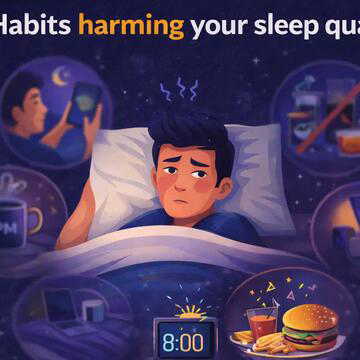
Doctors also advise reducing screen exposure before sleep. Blue light from phones and laptops interferes with melatonin production, a hormone that signals the body to prepare for rest.
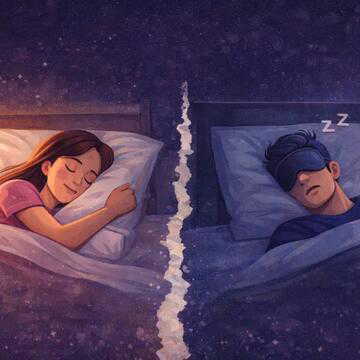
Also Read | What is ‘sleep divorce’ and why are more couples trying it?
Short breaks during the day for relaxation or hobbies may also reduce the temptation to reclaim personal time late at night.
Sleep specialists say the night should not become the only space for personal freedom. When rest becomes a priority, both physical health and emotional balance improve.