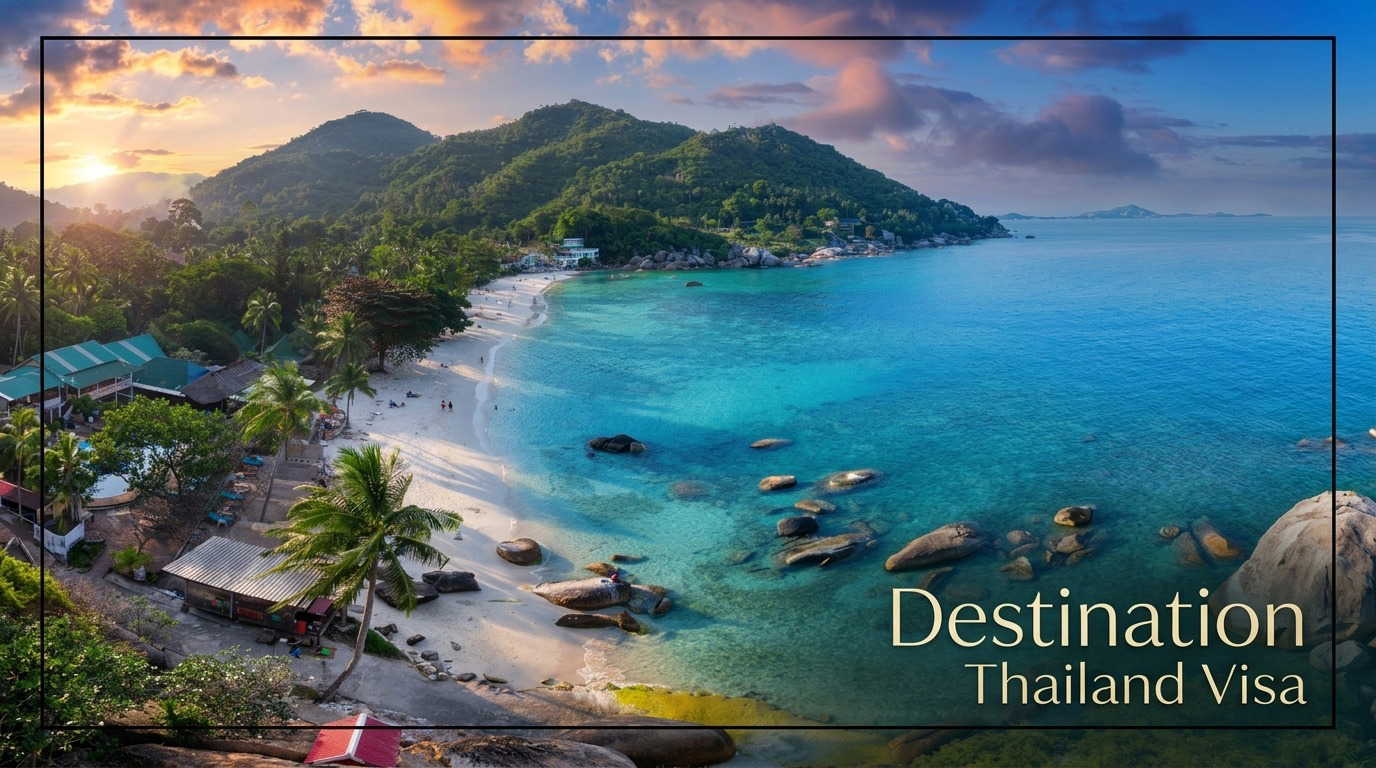
Thailand has introduced a new long-term visa that is attracting Indian travellers, freelancers, and remote workers looking for flexible living options abroad. Called the Destination Thailand Visa (DTV), it allows eligible foreigners to stay in Thailand for up to five years with multiple entries.
The visa is mainly for digital nomads, remote workers, entrepreneurs and people joining cultural or wellness programmes. Since Thailand is already popular among Indians for affordable travel, beaches, food and nightlife, the DTV offers a legal way to stay longer instead of depending on tourist visas.
Also Read | Why Padmanabhapuram Palace remains one of India’s most unique heritage sites
What is the Destination Thailand visa
The Destination Thailand Visa (DTV) is a long-term multiple-entry visa that allows eligible foreigners to stay in Thailand for up to five years. Unlike a normal tourist visa, it is meant for people who want to stay longer while working remotely, learning new skills, training, or joining cultural and wellness activities. Visa holders can stay in Thailand for 180 days per entry and can extend it for another 180 days, allowing them to stay for almost a year at a time. Since it is a multiple-entry visa, travellers can leave and re-enter Thailand several times during the five-year period.
Who is eligible to apply
As per NDTV reports, Thailand has opened the Destination Thailand Visa (DTV) to citizens of eligible countries, including India. The visa is mainly for digital nomads, remote workers, freelancers working for overseas clients, entrepreneurs with foreign businesses, people attending long-term courses or training programmes, wellness and medical tourists, and those joining Thai cultural activities. However, applicants are only allowed to work remotely for foreign employers or overseas clients and cannot work for a Thai-registered company without a proper work permit.
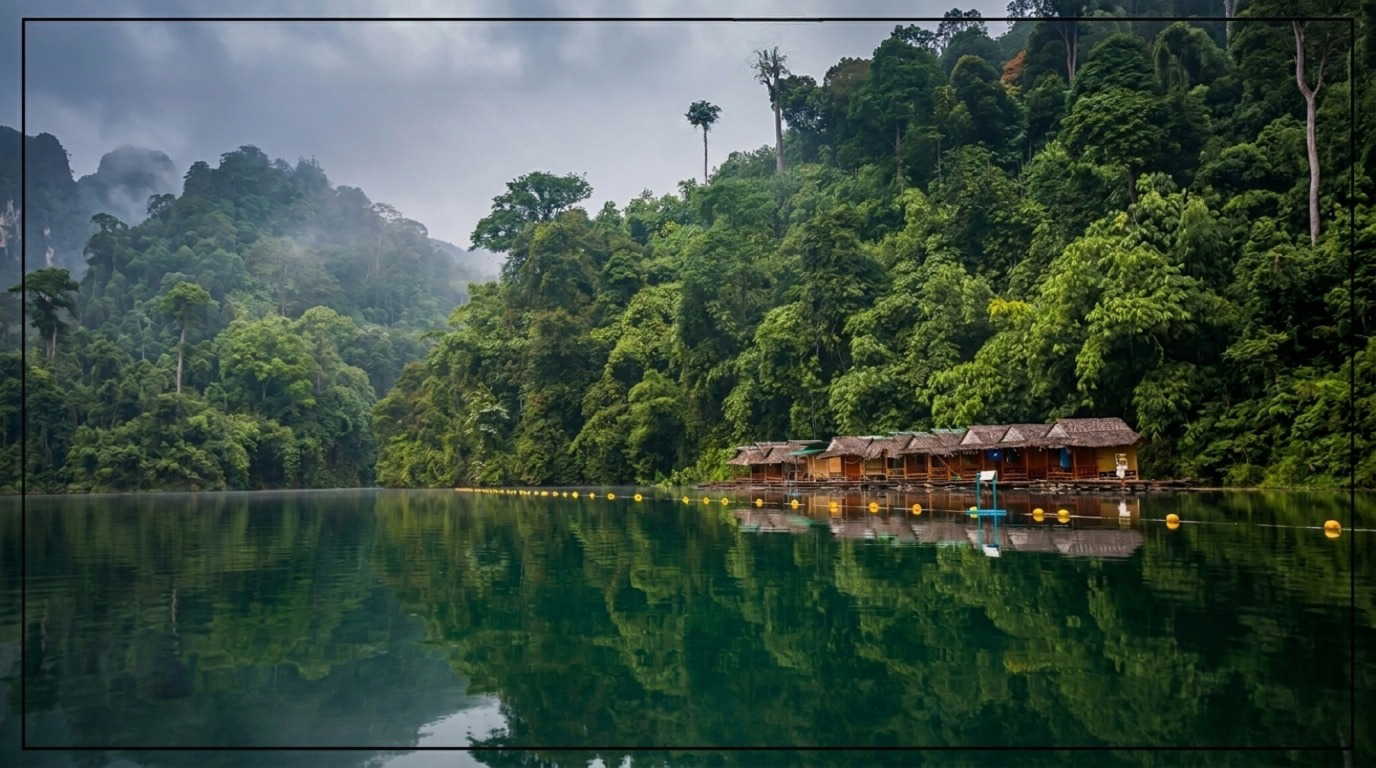 Thailand’s new Destination Thailand Visa allows eligible Indians to stay Unsplash Images
How is Thailand using ‘soft power’ through the new visa
One of the most interesting parts of the Destination Thailand Visa (DTV) is Thailand’s use of “soft power” activities for eligibility. Along with remote workers, the visa also includes people joining cultural and lifestyle-based programmes that promote Thai tourism and culture worldwide. These activities include Muay Thai training, Thai cooking courses, sports and fitness programmes, wellness retreats, cultural workshops and certain conferences. This means a person may qualify for the visa by joining a long-term Muay Thai programme in Phuket or a Thai cooking school in Bangkok. The move is seen as a mix of tourism promotion, cultural branding and economic strategy.
What are the financial requirements for the Thailand DTV
As per NDTV reports, one of the main requirements for the Destination Thailand Visa (DTV) is proof of financial stability. Applicants are generally expected to show at least 5,00,000 Thai Baht in liquid funds, which is around Rs 14-15 lakh depending on the exchange rate. This can be shown through bank statements from the last three to six months, salary slips, employment contracts, savings certificates or fixed deposits. Thai authorities usually require official bank documents instead of screenshots or app images. Cryptocurrency holdings, stock portfolios and credit limits are generally not accepted as proof of funds.
Financial requirements and documents
Although document requirements may vary slightly depending on the embassy or consulate, applicants usually need a passport with at least six months’ validity, passport-sized photographs, bank statements or salary proof, proof of remote work or overseas employment, accommodation details in Thailand, health insurance documents and papers related to their activity or programme in Thailand. In some cases, a police clearance certificate may also be required. People joining Muay Thai camps, cooking schools or wellness programmes may need to submit an enrolment confirmation or invitation letter as well.
Also Read | Want your kids to spot a tiger this summer? These 3 jungle safaris are your best bet
How to apply for the visa
As per NDTV reports, the application process for the Destination Thailand Visa (DTV) is quite simple if all documents are prepared properly. Applicants must usually be at least 20 years old, hold a valid passport, meet the financial requirements and belong to an eligible visa category. They also need documents such as passport copies, financial proof, employment or freelance papers, accommodation details and supporting letters for courses or programmes. Applications can be submitted through Thailand’s e-visa portal or authorised visa centres like BLS in India. The visa fee is generally around Rs 25,000, although charges may vary slightly. Some applicants may also need to attend a document verification appointment or interview. Processing can take from a few business days to more than a week depending on the embassy and application load.
After arriving in Thailand, visa holders may need to follow local immigration rules, including the TM30 residence reporting process. Those who wish to stay beyond the initial 180 days can apply for an extension by paying an extra fee of around 1,900 Thai Baht.
The Destination Thailand Visa (DTV) comes at a time when remote work, flexible lifestyles and "living abroad for a few months" are becoming more common. The visa gives eligible travellers a legal option to stay in Thailand for a longer period instead of depending on short tourist visas.
For many Indians, Thailand is already a popular destination because of affordable flights, lower living costs, beaches, food, nightlife and growing digital nomad communities. With the DTV, travellers can now plan long-term stays through a proper visa system with multiple-entry benefits.