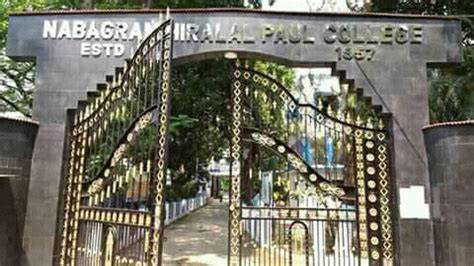
In a surprising turn of events, the student union representatives of Nabagram Hiralal Paul College announced their collective resignation from their previous organisation, the Trinamool Chhatra Parishad (TMCP), and declared their affiliation with the Akhil Bharatiya Vidyarthi Parishad (ABVP). However, ABVP Hooghly’s leadership has distanced itself from the move, asserting that the former TMCP leaders will not hold positions of authority within the ABVP.
On May 6, the student representatives issued an official declaration stating their mass resignation from the TMCP and their collective decision to join the ABVP. The document, signed by student union council members, emphasised a complete severance of ties with their former organization, effective immediately.
ABVP Hooghly sets boundaries on leadership roles
Bitan Pal, State Joint Secretary overseeing ABVP Hooghly, told News Ei Samay that no official positions had been given to these students. “This is not an official statement by our organisation. This has been initiated by enthusiastic students and in no instance will those who were previously leading the Trinamool Chatra Parishad in colleges across Hooghly, be allowed to lead ABVP movements here,” he said, dismissing any assumption of leadership roles for former TMCP leaders.
When asked if former TMCP members will be allowed to join the ABVP, Pal added, "We are a nationalist student body and everyone is welcome to join us, learn our culture and discipline. However, I reiterate that under no circumstances will those who were spearheading TMCP here, will be allowed to regulate ABVP affairs."
Also Read | BJP warns against ‘impersonation’ amid Bengal post-poll violence
Student politics in transition
This event reveals the flexible nature of students’ political affiliations in West Bengal, considering the recent changes witnessed in the state. ABVP, which is a nationalist students’ group linked with the RSS, has continued to increase its presence in the region.
The ABVP leaders have worked tirelessly to prevent any misalignment from derailing their internal affairs and allowing rival student groups to influence them.