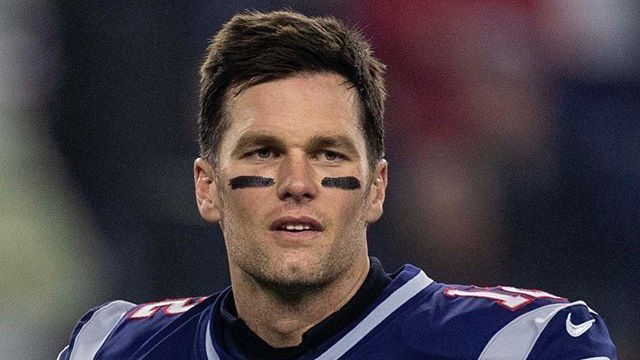
The resurfacing of a 2020 report linking Tom Brady with the Tennessee Titans has reopened debate around a pivotal free-agency moment. What once appeared to be a routine personnel decision is now being revisited amid growing scrutiny involving Mike Vrabel and journalist Dianna Russini, prompting questions about how the narrative was shaped at the time.
Titans’ decision to back Tannehill
In March 2020, Brady entered free agency after ending his legendary tenure with the New England Patriots. Given Vrabel’s past connection with Brady and the Titans’ competitive roster, Tennessee appeared a logical destination. However, Russini reported that the franchise had no interest in pursuing the veteran quarterback.
Also Read । Delhi Capitals dedicate emotional win to fans Yagya and Abhav after tragic accident
Happy 48th birthday to the GOAT 🐐
— DraftKings (@DraftKings) August 3, 2025
Throwback to when Tom Brady threw FIVE touchdown passes in one quarter vs. the Titans 🔥pic.twitter.com/jKqMqvo4qu
Instead, the Titans opted for continuity, re-signing Ryan Tannehill following an impressive 2019 campaign in which he led the team to the AFC Championship Game. From a roster-management standpoint, the decision aligned with maintaining momentum and stability at quarterback.
Meanwhile, Brady signed with the Tampa Bay Buccaneers, where he immediately delivered success, winning Super Bowl LV in his debut season with the franchise. That outcome has since intensified retrospective analysis of Tennessee’s call.
Renewed scrutiny and narrative shift
The context around the original report has shifted significantly. With Vrabel and Russini now under the spotlight for unrelated developments, the accuracy and intent behind the 2020 reporting are being questioned. Observers are revisiting whether the claim that Tennessee had “no interest” fully reflected internal discussions or functioned as a strategic message during negotiations.
Also Read । CSK vs MI: Legacy rivals fight to stay alive in IPL 2026 playoff race
This renewed attention has reframed the episode. Rather than a straightforward football decision, it is now part of a broader conversation about media influence, information control, and decision-making transparency within NFL organisations.
While no concrete evidence has emerged to directly contradict the Titans’ stance at the time, the debate underscores how narratives in professional sport evolve. Brady’s subsequent success has only amplified the what-if factor, turning a once-settled decision into a subject of ongoing scrutiny.