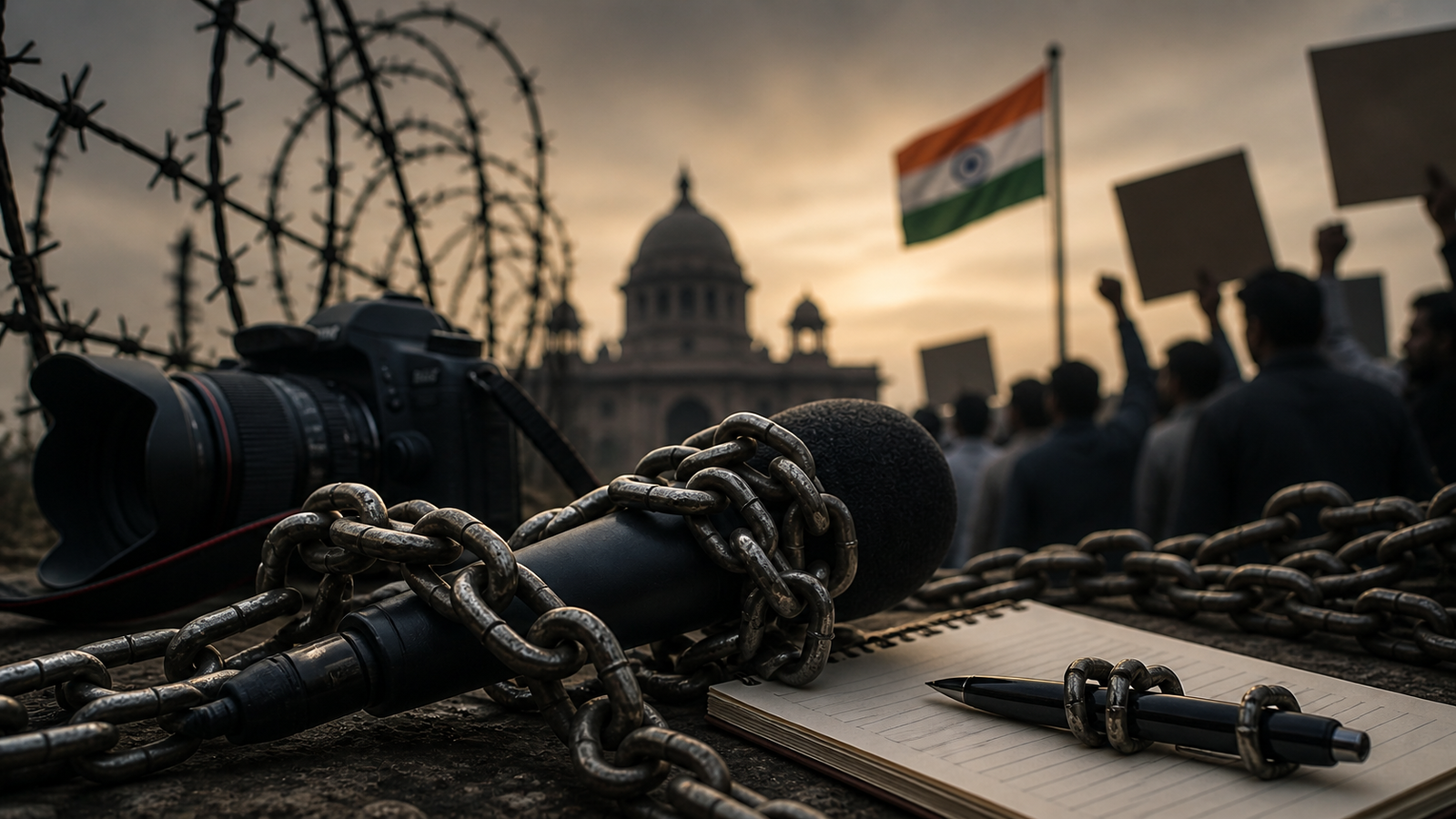
India has been ranked 157th out of 180 countries in the 2026 World Press Freedom Index released by Reporters Without Borders on April 30. This marks a fall of six places from 151 in 2025.
The report points to a wider global downturn. Press freedom scores across countries have hit their lowest level in 25 years. For the first time, more than half of the nations assessed fall under “difficult” or “very serious” categories.
RSF notes that across 180 countries, the average score has sharply declined, reflecting worsening conditions for journalism worldwide.
At the top of the index are Norway, the Netherlands, Estonia, Denmark and Sweden, while Saudi Arabia, Iran, China, North Korea and Eritrea are placed at the bottom. The report adds that 100 countries have seen a drop in their scores, with the legal indicator showing the steepest decline, signalling increased criminalisation of journalism.
India’s rank in focus: How it stacks up against neighbours
India now stands at 157, trailing several neighbouring countries. Pakistan ranks 153rd, Bhutan 150th, Nepal 87th, Sri Lanka 134th and Bangladesh 152nd. China is placed at 178th.
The report notes that India is ranked just below Palestine. It also records a slight improvement from 159 in 2024, though the broader trend continues to raise concern.
The RSF highlights structural issues shaping India’s media landscape, including rising attacks on journalists, concentrated ownership, and visible political alignment among sections of the press.
“With a rise in violence against journalists, highly concentrated media ownership, and outlets with increasingly overt political alignment, press freedom is in crisis in ‘the world’s largest democracy,’ ruled since 2014 by Prime Minister Narendra Modi, leader of the Bharatiya Janata Party (BJP) and embodiment of the Hindu nationalist right.”

What the report further observes
“India media has fallen into an ‘unofficial state of emergency’ since Narendra Modi came to power in 2014 and engineered a spectacular rapprochement between his party, the BJP, and the big families dominating the media", the report further stated.
It also refers to the rise of “godi media,” noting that “through pressure and influence, the Indian model of a pluralist press is being called into question.”
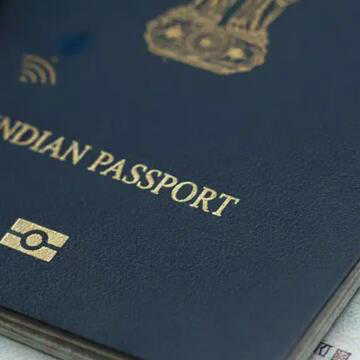
Also Read | Centre revises citizenship rules: Govt tightens dual passport norms for minors, brings OCI process online
Legal pressure and safety risks: Rising threats to journalists
The report flags the continued use of sedition, defamation and anti-state laws, along with anti-terror legislation, against journalists. It also points to the role of government advertising as a key source of financial pressure on media organisations.
“The prime minister does not hold press conferences, grants interviews only to journalists and YouTubers who cover him in a favourable light, and is highly critical of those who do not show allegiance. Indian journalists are subjected to harassment campaigns by BJP-backed trolls,” the RSF says.
On safety, the report adds:
“Journalists who are critical of the government are routinely subjected to online harassment, intimidation, threats and physical attacks, as well as criminal prosecutions and arbitrary arrests. They can be victims of violence, from police officers and political activists, as well as criminal groups and corrupt local officials. Proponents of Hindutva, the nationalist ideology of the Hindu far right, call for popular revenge against critics branded as ‘traitors’ and ‘anti-national’. Terrifying coordinated campaigns of hatred and calls for murder are conducted on social media, campaigns especially violent when they target women journalists, whose personal data is divulged. The situation is also very worrisome for journalists covering environmental topics or news in Kashmir, where reporters are often harassed by police and paramilitaries, with some being subjected to so-called ‘provisional’ detention for several years.”
The report also points to limited diversity in newsrooms, especially in leadership roles. It notes that women account for less than 15 percent of guests on major evening talk shows. It adds that ideological influence has shaped coverage priorities, with some television outlets devoting significant airtime to religious content, at times promoting hostility towards Muslims.