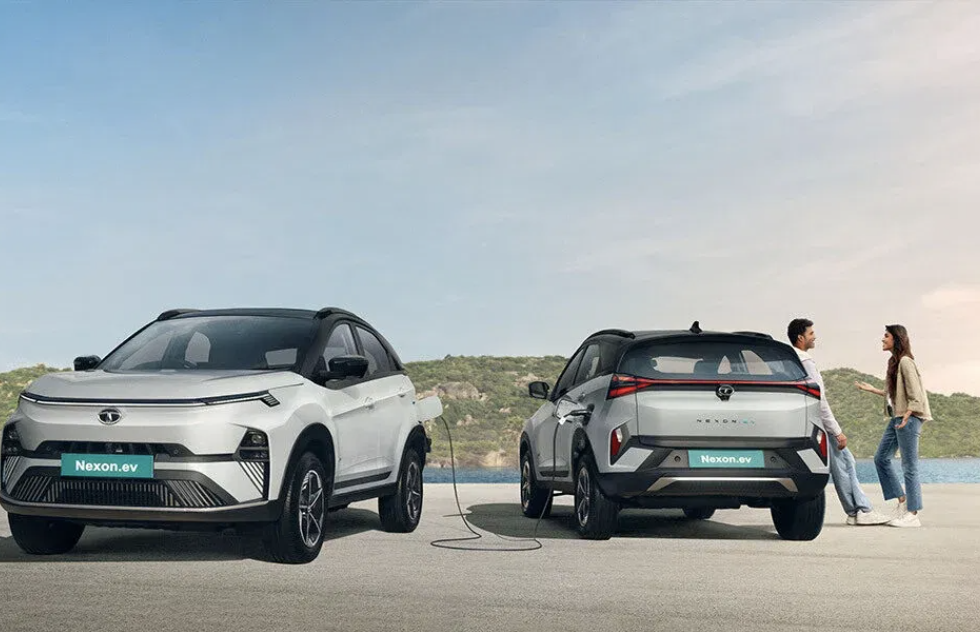
India’s shift towards electric mobility gathered pace in April, even as global geopolitical tensions injected a note of caution into the industry’s short-term outlook. Fresh data released by the Federation of Automobile Dealers Associations points to steady gains in EV penetration across key vehicle segments, underlining a structural transition already underway.
EV penetration widens across segments
Electric vehicles continued to make inroads across categories, with the three-wheeler segment leading the transition. EV penetration in this category crossed the 60 per cent mark, reflecting strong adoption driven by lower operating costs and favourable economics.
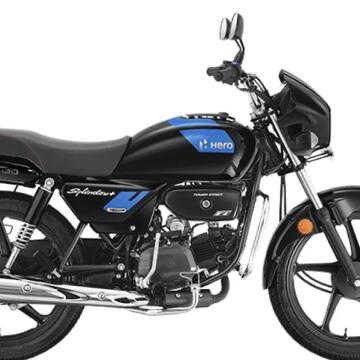
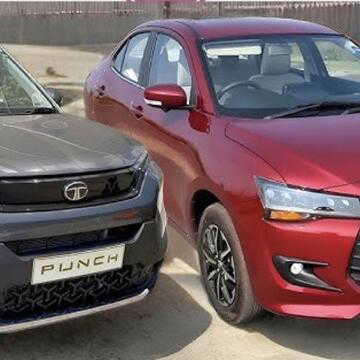
Passenger vehicles also saw gradual improvement, with EV share inching closer to 6 per cent. In the two-wheeler segment, EV penetration stood at 7.76 per cent. While this marked a decline from March levels, the earlier spike had been fuelled by pre-buying ahead of expiring incentives. Even after the dip, April figures remained comfortably above the previous financial year’s average, signalling sustained demand.
Also Read | QJ Motor refreshes SRV 300 with design tweaks, price set at Rs 3.29 lakh
Strong start for auto retail market
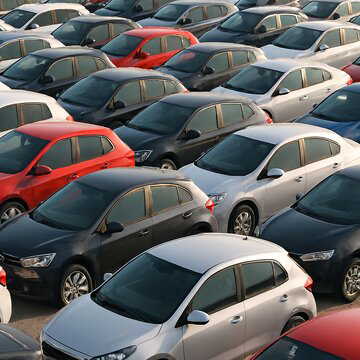
The broader automobile market mirrored this positive momentum, recording its strongest-ever April performance. Total retail sales crossed 2.6 million units, posting nearly 13 per cent year-on-year growth.
Two-wheelers continued to dominate volumes, while passenger vehicles maintained double-digit growth. Commercial vehicles and tractors also delivered robust numbers, supported by replacement demand and rural recovery trends. The only weak spot was the construction equipment segment, which saw a marginal decline.
Also Read | What are the five most affordable bikes that feature cruise control?
Cautious optimism for May
Despite the encouraging April data, dealers are approaching May with measured optimism. More than half expect growth, supported by seasonal demand drivers such as the extended wedding season and residual festive purchases.
However, risks remain firmly in play. Rising temperatures across several states could dampen showroom footfalls, while uncertainty in global oil markets linked to West Asia may influence fuel prices and consumer sentiment. Supply-side challenges in select models could also weigh on momentum.
Taken together, the industry’s trajectory reflects a balancing act. The long-term shift towards electrification appears intact, but short-term demand will likely hinge on external factors that remain difficult to predict.