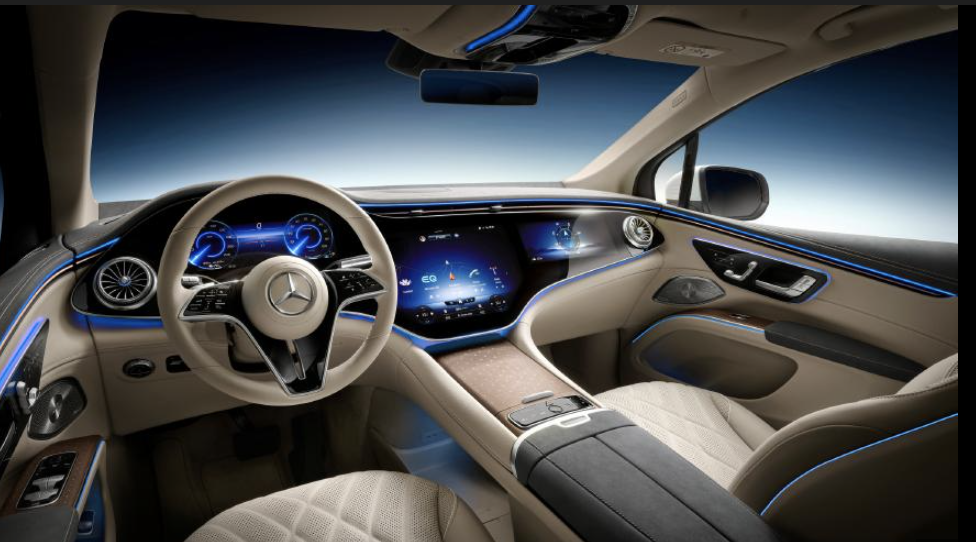
Mercedes-Benz is recalibrating its approach to in-car technology, confirming that future models will bring back physical buttons for essential controls while continuing to feature expansive digital screens. The move comes as the brand responds to growing customer feedback about usability concerns with fully touch-based interfaces.
Listening to what drivers actually want
According to senior executive Mathias Geisen, customer research has revealed a clear pattern. While buyers appreciate large, high-resolution displays, they still prefer physical controls for frequently used functions. This has prompted Mercedes to rethink its interior layouts rather than fully commit to touch-only systems.
The idea is not to abandon screens but to improve how drivers interact with them. Physical buttons, especially for climate control and key driving functions, offer a level of tactile feedback that touchscreens often fail to deliver, particularly while driving.
Screens remain central to the luxury appeal
Despite the shift, Mercedes is not stepping away from its signature digital experience. Systems like the Mercedes-Benz Hyperscreen, which stretches across the dashboard, will continue to define the brand’s interiors. This ultra-wide display integrates the driver’s cluster, central infotainment and passenger screen into one seamless unit.
Newer models such as the electric GLC and C-Class already showcase this philosophy, combining large digital interfaces with select physical controls like roller switches on the steering wheel. These changes reflect an attempt to maintain a premium, tech-forward feel without compromising usability.
Also Read | Hyundai upgrades IONIQ 5 with bigger battery and extended range in India
Industry shift towards balance
Mercedes is not alone in reassessing its strategy. Rivals like Audi have also started reducing screen dependency after facing similar feedback. Across the industry, there is a growing recognition that an all-digital interface may look futuristic but does not always translate into the best real-world experience.
Also Read | Oben teases bold new electric motorcycle ahead of April 30 debut
Going forward, Mercedes aims to strike a careful balance, blending digital sophistication with practical ergonomics. The return of physical buttons signals a more mature approach to in-car design, one that prioritises both innovation and everyday convenience.