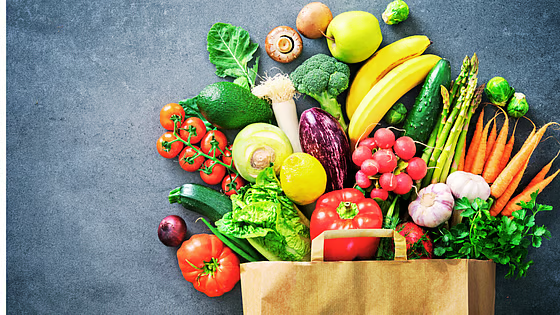
A refrigerator breaking down in the middle of summer can feel like a crisis, especially when fresh fruits and vegetables start spoiling within hours. With rising temperatures and humidity, keeping produce usable without cooling becomes a challenge. Still, with a few practical adjustments and some time-tested methods, it is possible to extend the life of your food even without a fridge.
The key lies in changing how you buy, store and handle fresh produce. Instead of relying on cold storage, the focus shifts to airflow, moisture control and smart consumption habits.
Buy less, use faster
The first step is to avoid overstocking. Buying vegetables and fruits in small quantities reduces the risk of spoilage. In summer, it is better to shop more frequently rather than storing produce for days. This not only ensures freshness but also cuts down on waste.
Planning meals can help you buy only what you need. It may feel inconvenient at first, but regular trips to the market often mean better quality produce that lasts longer even at room temperature.
Choose the right way to store
Not all vegetables need refrigeration. Items like potatoes, onions, garlic, ginger and even tomatoes tend to do better outside the fridge. Store them in a cool, dry corner of the kitchen, ideally in baskets or mesh containers that allow air circulation. Avoid sealed plastic bags, as they trap moisture and speed up rotting.
Fruits need a bit more care. Avoid washing them immediately after purchase, as excess moisture can lead to quicker spoilage. Keep them dry and spread out rather than piled together. Cut fruits, especially watermelon or papaya, should be avoided unless you plan to consume them immediately.
Rely on local and fresh produce
Where you shop also matters. Produce from local markets is usually not stored in cold conditions, making it better suited for room temperature storage. In contrast, fruits and vegetables from air-conditioned supermarkets may deteriorate faster once brought home.
Choosing seasonal produce also helps, as it is naturally more resilient to the prevailing weather conditions.
Also Read | Recharge your phone on WhatsApp? New feature rolls out across India
Use traditional preservation tricks
Before refrigerators became common, people relied on simple preservation techniques that still work today. Vegetables like cucumbers and carrots can be pickled or soaked in vinegar. Leafy items can be wrapped in damp cloth to retain moisture for a short period.
For longer storage, methods like salting or sun-drying can be useful, especially for items like fish or certain vegetables. These approaches may not replace refrigeration entirely, but they can help you manage food better during short-term disruptions.
Also Read | Why satellite phones work on mountain tops but are restricted in India: Here's what you need to know
A broken fridge is inconvenient, but it does not have to mean immediate food waste. With a few mindful changes, you can keep your kitchen running smoothly even in the peak of summer.