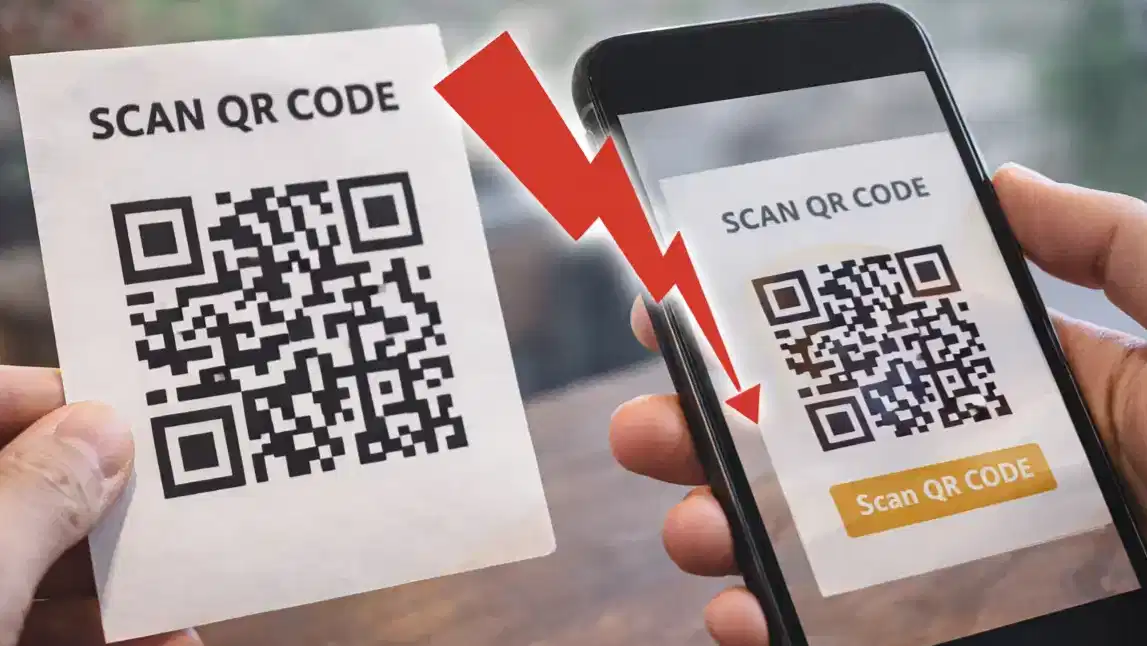
Many digital payments' users are becoming victims of cyber fraud through the use of fake QR codes, and scammers are using psychological tricks for stealing money from them.
QR code fraud has become a very common trend nowadays, with scammers luring people by providing some urgent or beneficial messages to them. Words such as "payment pending," "scan to get the money," or "get your reward now" have been used by criminals to trap their victims.
Also Read | iPhone ‘DarkSword’ hack: What the ZeroSpy-style threat really means
As per the cybersecurity warnings and reports, scammers have shifted from deceptive tricks to psychological tricks now.
How QR code scams work
In most instances, victims get their QR codes from message-based platforms or even social networks, usually under the guise of a payment. In some instances, scanning such a QR code results in the user having to authorise a payment instead of receiving one.
It is imperative to note that legitimate payments never require the recipient to scan any QR code before receiving money. All such attempts are considered to be suspicious.
Fraudsters also use other approaches together with the QR code. One such approach involves contacting the victim over the phone or through text messages. The pressure tactic employed by scammers makes it less likely for people to validate the request.
What users should watch out for
According to cybersecurity experts, several things stand out when dealing with such scams:
Urgent messages
Unknown senders requesting QR scan
Promise of rewards
Also Read | Community College of Beaver County under cyberattack: What happened inside the network?
Requests to complete transactions quickly
Taking a moment to verify the request, checking the sender’s identity, and avoiding scanning unknown QR codes can significantly reduce the risk of fraud.
Authorities have repeatedly advised users to rely only on trusted payment sources and avoid engaging with unsolicited financial requests.