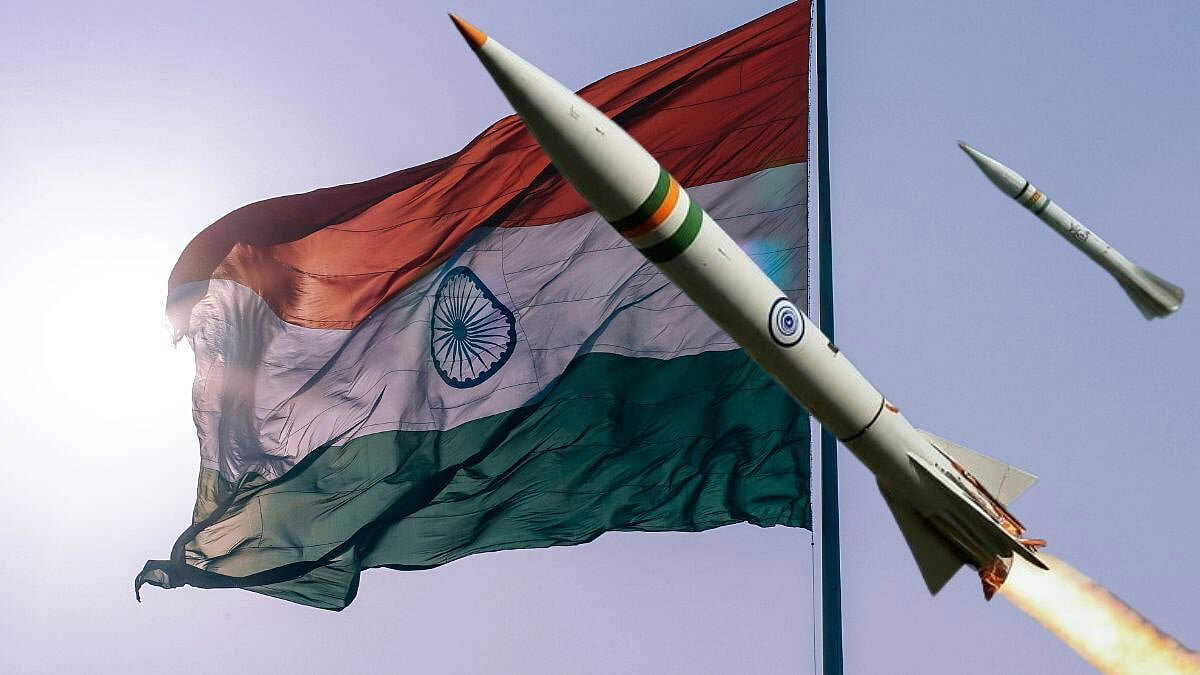
India is preparing a next-generation version of its Prithvi series ballistic missile to improve speed, mobility, and battlefield survivability, as modern warfare demands faster and more flexible systems.
The new development is being led by the Defence Research and Development Organisation (DRDO), which aims to replace older liquid-fuel systems with advanced solid-fuel and canister-based technology.
Limitations of existing Prithvi missiles
The Prithvi series, developed in the early 1980s, was India's first operational ballistic missile and is considered a technological foundation for later missile systems. It remains in service with the Indian Army and Air Force in the form of Prithvi-1 and Prithvi-2, with a range of 150 to 250 kilometres.
Also Read | Safety lapse? Basketball pole collapse claims 20-year-old marine engineering student's life in Pune
However, the current versions rely on liquid-fuel propulsion, which requires significant pre-launch preparation. This results in longer deployment times and increases operational risks during combat situations. The delay in launch readiness makes the system more vulnerable in fast-paced battlefield conditions.
Focus on speed and survivability
The upgraded version is being designed to address these challenges. According to sources, the new missile will use solid fuel and canister-based launch systems, allowing for quicker deployment and reduced preparation time.
A key feature of the new system will be its ability to support 'shoot-and-scoot' operations. This means the missile can be launched quickly and the launcher can be moved immediately, reducing the risk of being targeted by enemy forces.
Also Read | Supreme Court orders CBI probe into Arunachal contracts related to CM Pema Khandu's family worth 1270 crore
The development is part of DRDO's broader push to build next-generation Short-Range Ballistic Missiles (SRBM) suited for modern warfare.
Officials believe the upgraded Prithvi system will significantly enhance India's battlefield capabilities by combining speed, flexibility, and improved survivability.