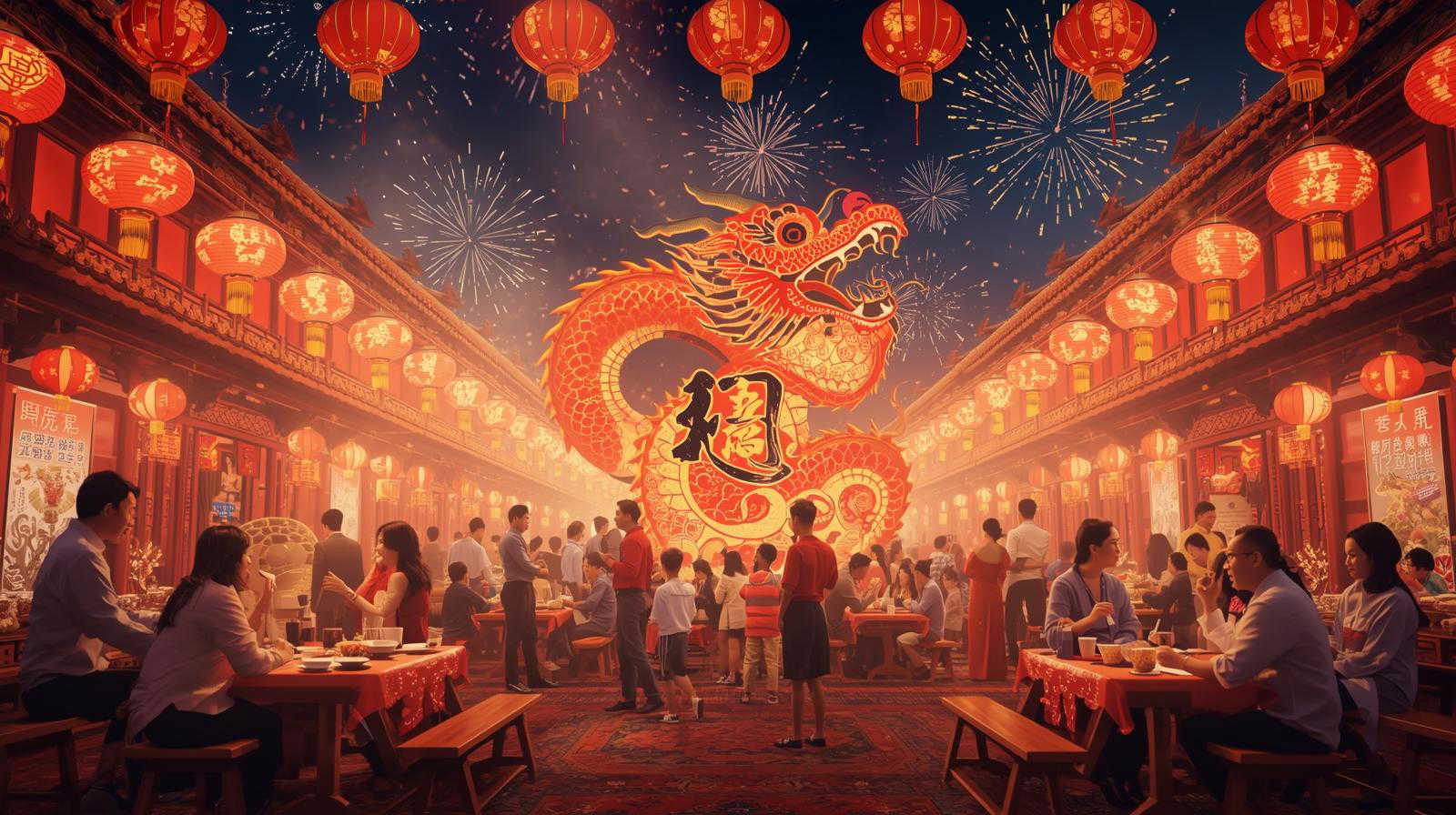
Across China and many parts of East Asia, the Lunar New Year, widely known as the Spring Festival, marks the most significant celebration of the year. Based on the traditional lunisolar calendar, the festival signals the beginning of a new year and unfolds over 15 days of rituals, reunions and public festivities.
When is Chinese New Year 2026?
The date of the celebration varies annually, usually between January 21 and February 20. In 2026, the festivities will commence on Tuesday, February 17, and end on Tuesday, March 3, which is the Lantern Festival marking the first full moon of the new lunar year.
The last day of the festivities is marked by the presence of many lights and is considered the end of the Spring Festival.
Year of the Fire Horse
The Chinese calendar is divided into 12 years in the 12-year cycle of the Chinese zodiac. Every year is associated with an animal and one of five elements: wood, fire, earth, metal, or water.
Also Read | Ramadan 2026 moon sighting: key dates, expected timing and first fast in India- February 18 or 19?
The year 2026 is marked as the Year of the Fire Horse. According to the zodiac calendar, the horse represents hard work, courage, and perseverance. The next year in the series is the Year of the Goat in 2027.
In addition, many Asian countries celebrate the Lunar New Year, though each has its unique traditions and zodiac signs.
Significance and traditions
The history of the Spring Festival dates back to an ancient legend about a monster named Nian, who appeared on the eve of the New Year. The legend says the monster was afraid of loud noises and the colour red. As a result, the use of firecrackers and the colour red have been the focal points of the festival, a tradition that has been observed to this day.
Also Read | Annular solar eclipse 2026: Will India see the ‘ring of fire’? Check timings, visibility details
In short, the Spring Festival revolves around family, with people coming together to celebrate the occasion with traditional meals, including dumplings, rice cakes, and fish. In addition, scenes of lion and dragon dances are common, all in the hope of attracting good luck and keeping bad spirits away.
Another tradition observed during the Spring Festival is the use of the red envelope, also known as the “mai red packets,” to attract prosperity and a happy new year
When the Lantern Festival illuminates the environment on the fifteenth day, the Spring Festival comes to an end, with the hopes of a new year filled with renewal, good luck, and unity.