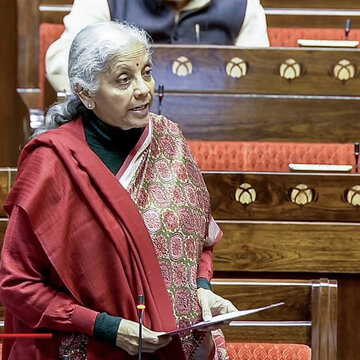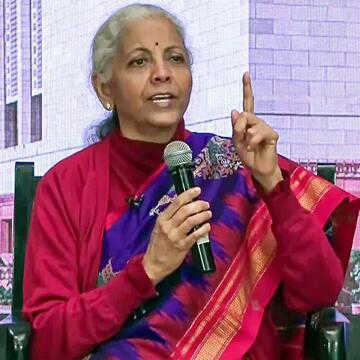
Finance Minister Nirmala Sitharaman on Sunday unveiled a set of direct tax measures in Union Budget 2026–27 aimed at simplifying compliance, easing return filing pressure and tightening select tax deduction rules, while keeping income tax slabs unchanged under both regimes.
Presenting her ninth Budget in Parliament, Sitharaman said the focus was on reducing congestion during peak filing periods, improving transparency and offering limited flexibility to taxpayers who miss deadlines due to genuine reasons.
Also Read | Budget 2026 opens wider door for NRIs, raises equity investment limits
Key changes in income tax filing timelines
The Budget introduces calibrated changes to return filing deadlines, while retaining the existing cut-off for salaried individuals.
Revised deadlines announced:
Salaried taxpayers (ITR-1 and ITR-2): July 31 (unchanged)
Non-audit business cases and non-audit trusts: Extended to August 31
Revised returns: Allowed up to March 31, with payment of a nominal fee
“I propose to extend the time available for revising returns from December 31 to March 31 with the payment of a nominal fee,” Sitharaman said, adding that staggered timelines are being considered to reduce system load.
New and expanded TDS provisions
To strengthen compliance, the Budget proposes widening the scope of tax deduction at source.
TDS-related proposals include:
Mandatory TDS on sale of immovable property by non-residents
Bringing manpower supply services under the TDS framework
These measures are intended to plug reporting gaps and improve tax traceability in high-value and service transactions.
Relief on overseas remittances
For individuals spending abroad on essential needs, the finance minister announced a cut in tax collected at source.
TCS under the Liberalised Remittance Scheme (LRS) reduced to 2% for education and medical purposes
No change in income tax slabs
The Budget has made no changes to income tax slabs under either regime.
New tax regime (unchanged):
Up to ₹4 lakh: Nil
₹4–8 lakh: 5%
₹8–12 lakh: 10%
₹12–16 lakh: 15%
₹16–20 lakh: 20%
₹20–24 lakh: 25%
Above ₹24 lakh: 30%
Old tax regime (unchanged):
Basic exemption:
₹2.5 lakh (below 60 years)
₹3 lakh (senior citizens)
₹5 lakh (super senior citizens)
30% tax rate applicable above ₹10 lakh
The new regime continues to offer a higher standard deduction of ₹75,000, compared with ₹50,000 under the old regime, along with a higher family pension deduction of ₹25,000.
Also Read | Union Budget 2026: Breaking down how the government earns and spends one rupee
New Income Tax Act from April 2026
Sitharaman confirmed that the New Income Tax Act will come into force from April 1, 2026, with revised return forms and procedures to be notified shortly.
Tax experts welcomed the extended revision window. Rajarshi Dasgupta, Executive Director – Tax at AQUILAW, said the March 31 deadline would help taxpayers correct errors without prolonged disputes and litigation.