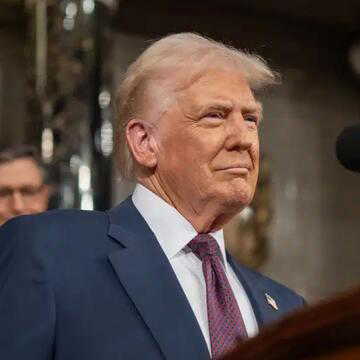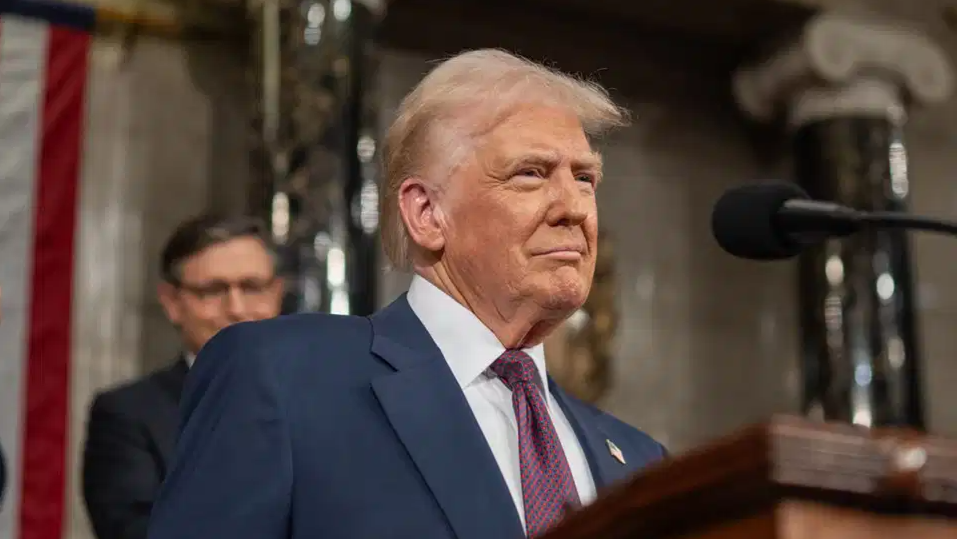
Donald Trump has proposed a massive increase in defence spending, seeking $1.5 trillion for the Pentagon in his 2027 Budget, NDTV reported. The move comes amid ongoing conflict in the Middle East, with the plan placing clear emphasis on military strength over domestic programmes.
A historic boost to defence
The proposed allocation marks a 44 per cent jump compared to current spending levels, making it one of the largest increases in decades. It includes an additional $455 billion over fiscal year 2026 and stands separate from a $200 billion emergency request tied to the US-Israel war with Iran.
Also Read | Two US warplanes down, choppers hit in 24 hours: What we know so far
The funds are aimed at strengthening military capabilities across multiple fronts. These include financing the Golden Dome missile defence system, investing in critical minerals, expanding shipbuilding capacity, and increasing salaries for troops, the NDTV report stated.
The proposal also supports efforts to ensure "the United States maintains the world's most powerful and capable military", with investments in defence manufacturing and a space-based weapons system designed to intercept potential attacks.
Scale and global comparison
At $1.5 trillion, defence spending would account for roughly 4.5 per cent of the US GDP. Analysts note that this would be the largest year-on-year increase since the Korean War era when adjusted for inflation.
The United States already leads global military spending by a wide margin. Recent data shows US defence expenditure nearing $1 trillion annually, far exceeding that of other major powers such as China and Russia.
Cuts to domestic programmes
Alongside the defence push, the proposal outlines $73 billion in cuts across domestic sectors. These include reductions in funding for health, housing, and education programmes, some of which support vulnerable communities.
The plan also calls for a 10 per cent reduction in non-defence spending, reflecting broader concerns over the country's fiscal deficit and rising national debt.
Also Read | SpaceX’s IPO could make Elon Musk the world's first trillionaire
Other key allocations
The Budget includes a 13 per cent increase for the Department of Justice to address violent crime, as well as funding for aviation safety improvements and air traffic control hiring.
It also proposes a $10 billion allocation for infrastructure and beautification projects in Washington, DC, while rolling back over $15 billion in previously approved infrastructure and renewable energy funding.
Further cuts target departments such as Agriculture, Housing and Urban Development, and Health and Human Services, along with the removal of funding for several federal support programmes. The proposal is now headed to Congress, where it will face scrutiny and debate before any final approval.