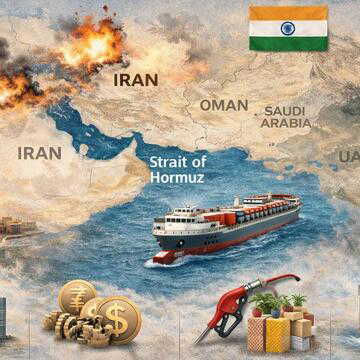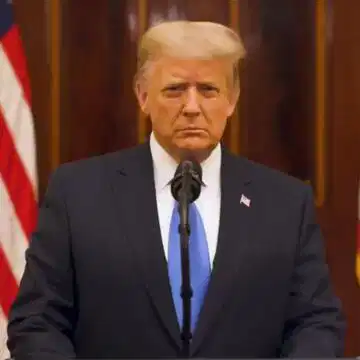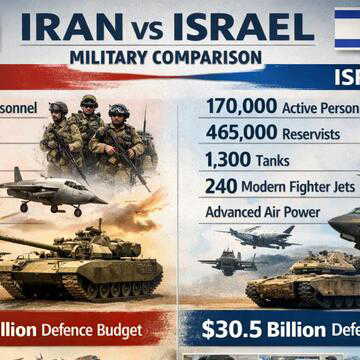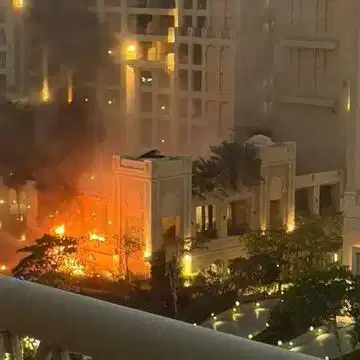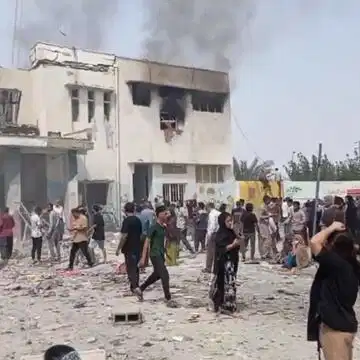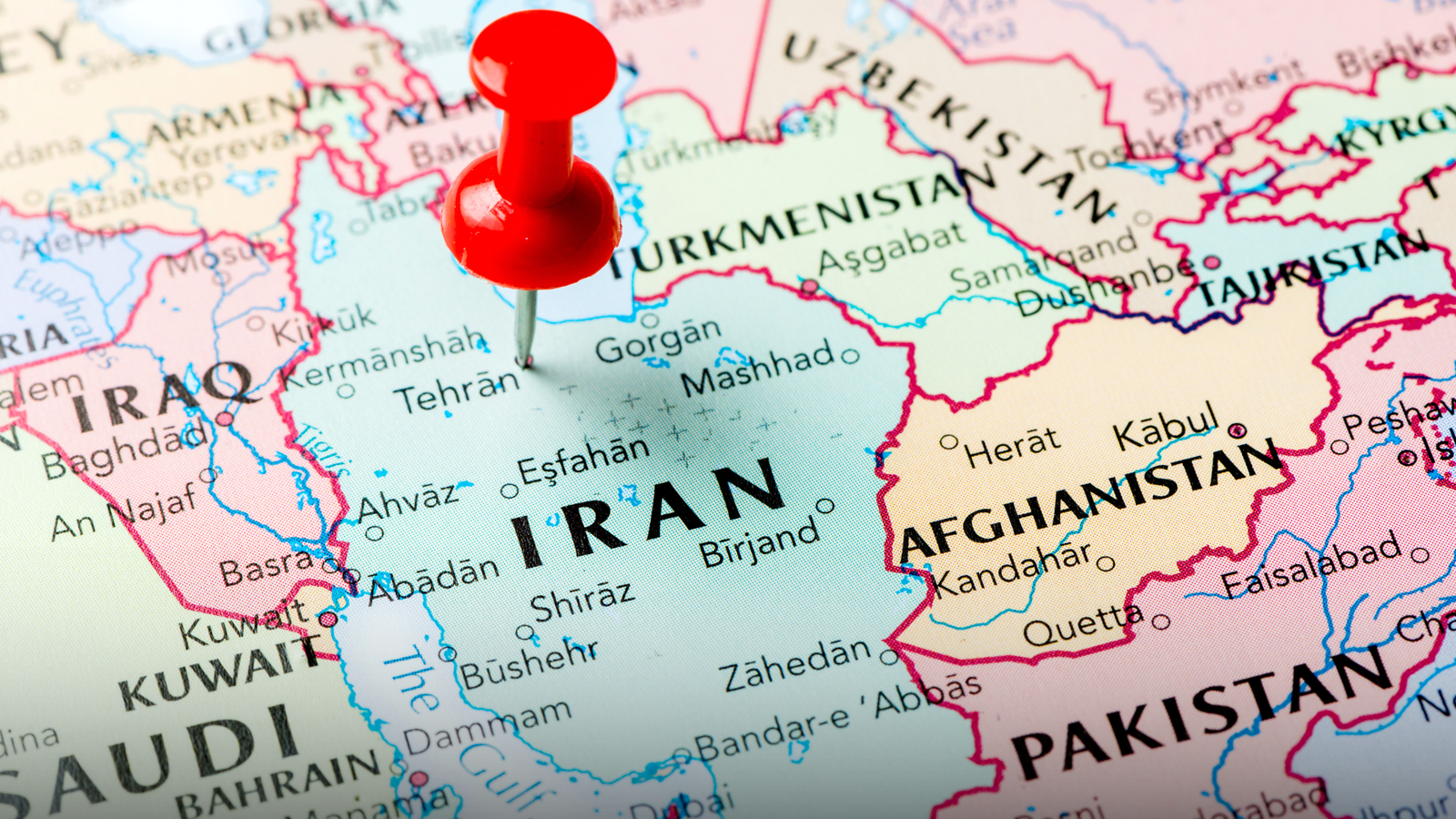
The United States and Israel launched coordinated strikes on Iran on Saturday, dramatically escalating tensions in the Middle East and triggering swift international reaction. US President Donald Trump said the objective would be to dismantle Tehran’s missile capabilities and prevent it from developing a nuclear weapon. As the region braced for potential retaliation, leaders across the world weighed in on the unfolding crisis.
Russia accuses Washington of abandoning diplomacy
Dmitry Medvedev, Deputy Chairman of Russia’s Security Council and former Russian president, delivered a scathing response.
“The peacemaker once again showed his face,” Medvedev said, suggesting that negotiations with Iran had merely been a “cover operation.” He added that no one truly intended to negotiate in good faith.
In a pointed historical comparison, Medvedev remarked on the relative age of the United States and the ancient Persian civilisation, implying that endurance could shape the long-term outcome. His comments signalled Moscow’s strong criticism of the strikes and underscored widening geopolitical divisions.
Lebanon warns against regional escalation
Lebanese Prime Minister Nawaf Salam struck a more cautious tone, warning of the risks of being pulled into a broader conflict. “I reiterate that we will not accept anyone dragging the country into adventures that threaten its security and unity,” Salam said, reflecting concerns in Beirut about spillover violence and regional destabilisation.
Lebanon, already grappling with internal political and economic strain, remains wary of any escalation that could further inflame tensions along its borders.
Also Read | What are 'forever chemicals'? Half of Americans may be drinking contaminated water, reveals data
Norway questions the legality of the strike
Norwegian Foreign Minister Espen Barth Eide raised questions about the legality of the attack under international law. “The attack is described by Israel as a preventive strike, but it is not in line with international law,” Eide said, adding that preventive action requires an immediately imminent threat. His remarks echoed broader European concerns over adherence to international legal norms and the potential for the conflict to spiral.
Also Read | US issues security alert for nationals amid Israel-Iran conflict - key updates here
As the Middle East faces renewed uncertainty, global reactions have highlighted deep divisions over the legitimacy and consequences of the US and Israeli strikes on Iran. While some leaders have framed the move as a security necessity, others have warned of legal violations and the risk of a wider regional confrontation. The coming days are likely to determine whether diplomacy can regain ground or whether the crisis will deepen further.