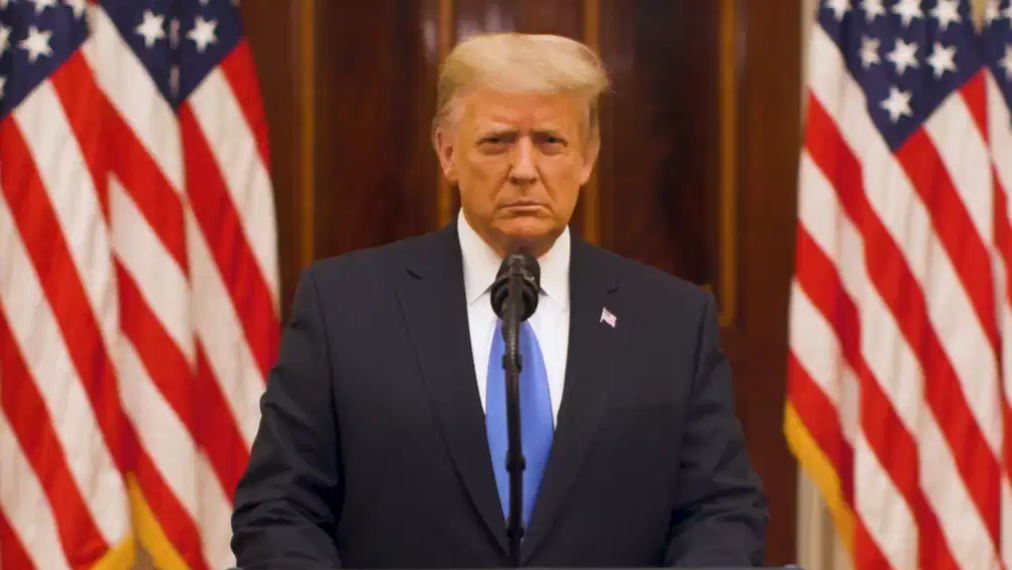
Tensions in the Middle East escalated dramatically after US President Donald Trump urged the Iranian public to “take over your government” following coordinated American and Israeli strikes on Iranian targets. As Washington framed its operations as aimed at dismantling missile and nuclear capabilities, Tehran responded with missile attacks across the region, targeting Israel and multiple US military bases.
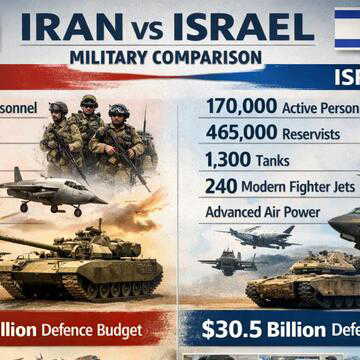
Also Read | Are Iran and Israel comparable in terms of military power? Here's what you should know
Trump urges Iranians to ‘take over’
Speaking after the strikes, Trump directly addressed the Iranian people. "The hour of your freedom is at hand," he said, calling on citizens to rise up against their leadership once military operations conclude.
According to two US officials who spoke to NBC News, Israel’s strikes focused on senior Iranian political and military leaders, while the United States targeted ballistic missile infrastructure and nuclear facilities. The stated objective, officials said, was to significantly degrade Iran’s strategic capabilities.
The remarks marked one of the strongest public endorsements of regime change rhetoric from Washington in recent years, further inflaming tensions with Tehran.
Iran retaliates with regional missile attacks
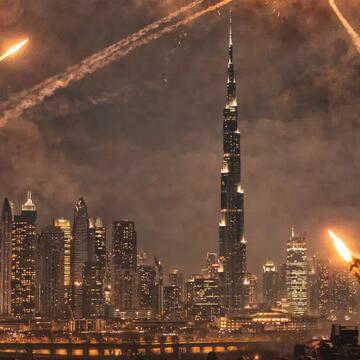
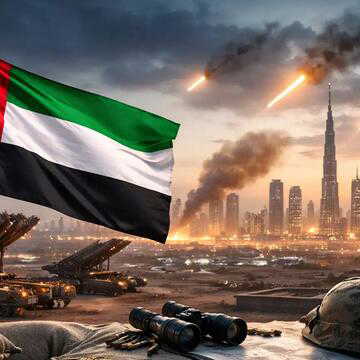
Iran swiftly responded with missile strikes against Israel and US military installations across the Middle East. American bases in the United Arab Emirates, Qatar, Kuwait, Bahrain and Jordan were among the reported targets, sending shockwaves through regional capitals and raising fears of a broader war.
The retaliatory strikes signalled Tehran’s intent to demonstrate both capability and resolve, expanding the confrontation beyond direct exchanges with Israel.
Tehran signals openness to talks
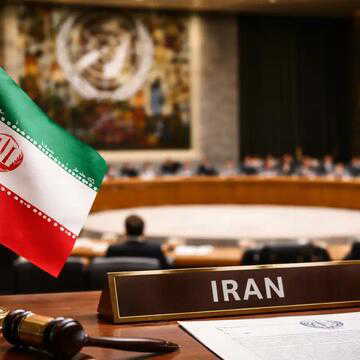
Despite the military escalation, Abbas Araghchi, Iran’s Foreign Minister, indicated that diplomacy remains possible. In an exclusive interview with NBC News, Araghchi said Iran is interested in de-escalation and would be willing to engage in talks if the United States and Israel halt their attacks.
He dismissed the prospect of regime change, describing it as “mission impossible,” and suggested that sustained external pressure would not destabilise Iran’s leadership.
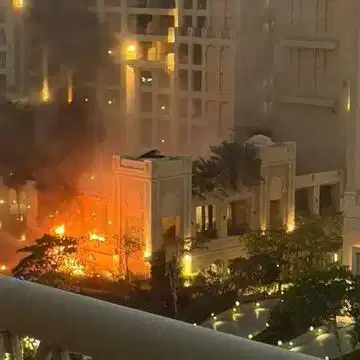
Also Read | Fire in Dubai's Palm Jumeirah building leaves 4 injured, authorities secure site
With missile exchanges unfolding and rhetoric intensifying, the confrontation has entered a perilous phase. While Washington has framed its actions as defensive and strategic, Tehran’s retaliation and conditional openness to dialogue highlight the fragile balance between war and diplomacy. The coming days will determine whether the crisis deepens further or shifts toward negotiation.