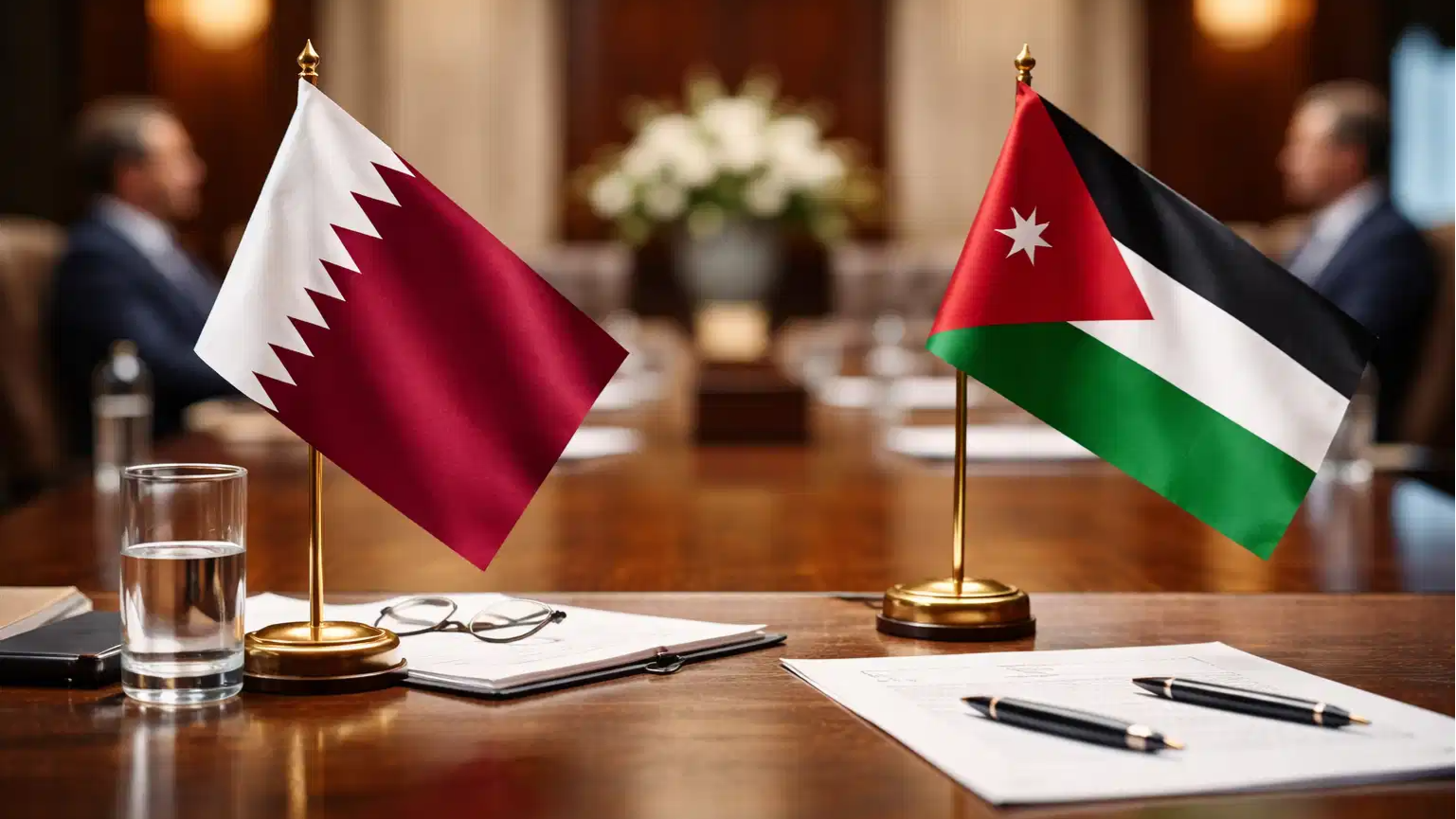
The Emir of Qatar, Tamim bin Hamad Al Thani, held a phone conversation with King of Jordan, Abdullah II on Saturday to discuss the rapidly escalating security situation in the Middle East following recent Iranian missile attacks across the region.
According to a statement released by Qatar, the two leaders reviewed the latest regional developments and their implications for peace and stability amid the intensifying Israel–Iran confrontation. Both sides stressed the urgent need to halt the escalation and called for renewed diplomatic engagement to prevent further deterioration of the security environment.
Official Statement Issued by the Ministry of Interior Regarding the Attacks on the Islamic Republic of Iran#MOIQatar pic.twitter.com/gPPPMnqUV5
— Ministry of Interior - Qatar (@MOI_QatarEn) February 28, 2026
'Both sides stress need for immediate halt'
“Both sides stressed the need for an immediate halt to the escalation and for opening channels of dialogue to preserve the region’s security and prevent further tensions,” the statement said.
“The two leaders also condemned the targeting of Qatar, Jordan, and other Arab countries with Iranian ballistic missiles, affirming continued coordination between the two countries to take all necessary measures to safeguard sovereignty and enhance security and stability.”
The leaders emphasised the importance of opening channels of dialogue to reduce tensions and protect regional stability as fears grow that the conflict could expand beyond direct hostilities between Israel and Iran.
In light of the current developments and the Iranian targeting of the State’s territory, the Ministry of Interior urges citizens, residents and visitors to remain indoors, stay away from windows and open areas, and avoid leaving their homes except in cases of absolute necessity…
— Ministry of Interior - Qatar (@MOI_QatarEn) February 28, 2026
Leaders condemn attacks
During the call, both countries strongly condemned what they described as Iranian ballistic missile attacks targeting Qatar, Jordan and other Arab nations. The leaders expressed concern over the growing threat to civilian safety and national security across the Gulf and Levant regions.
Sheikh Tamim and King Abdullah also agreed to maintain close coordination in the coming days, pledging to take necessary steps to safeguard their countries’ sovereignty and protect critical infrastructure.
The diplomatic exchange reflects mounting concern among Arab states over the widening fallout from the Israel–Iran conflict, which has already triggered missile activity, military alerts and heightened security measures across several Middle Eastern countries.