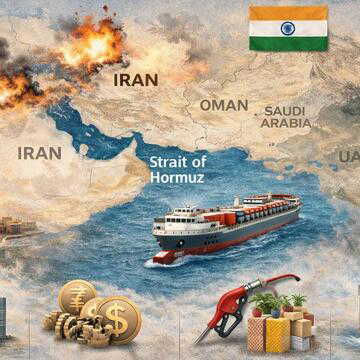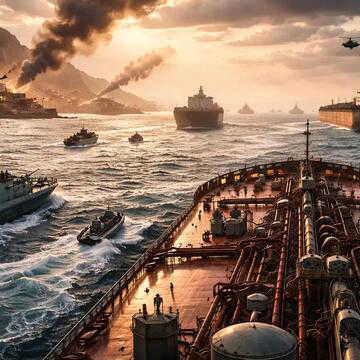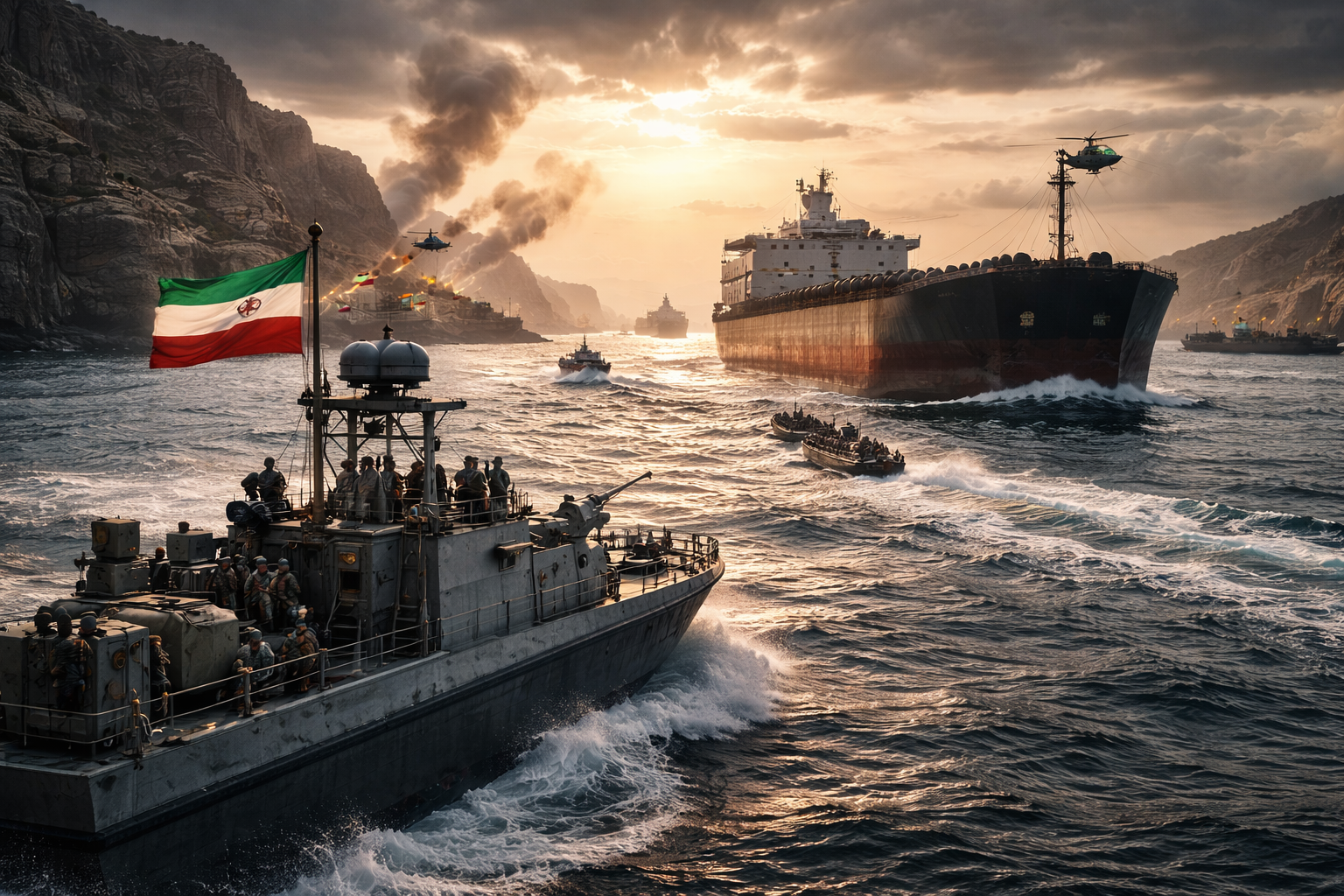
Iran has moved to close the Strait of Hormuz. Ships in the Gulf have been receiving high-frequency radio messages from Iran’s Revolutionary Guards. These messages warn that vessels will not be allowed to pass through this crucial waterway, Gulf News reported.
The strait, found in the Arabian Gulf, is important for US allies and global energy markets. Its significance has increased after the United States and Israel launched missile strikes on Iran on Saturday.
The Strait of Hormuz is generally regarded as the most significant energy chokepoint in the world. Every day, 20 million barrels of oil pass through the strait, representing nearly one-fifth of the world’s petroleum consumption. Significant quantities of liquefied natural gas travel through the strait, making it essential to the functioning of the world’s energy markets.
Also Read | Are Iran and Israel comparable in terms of military power? Here's what you should know
Maritime shipping industry disrupted
The first impact of the situation is already apparent in the form of disrupted maritime traffic. Oil tankers and ships carrying liquefied natural gas passing through the region have slowed their operations or changed their routes due to concerns about security risks. Shipping companies are apprehensive about the possibility of their ships being seized in the region.
Any prolonged disruption could mean that ships would have to stay out of Gulf ports or take longer routes, which would cause delays in international trade routes. There would also be a sharp increase in war insurance premiums for ships that operate in this area, which would mean higher transportation costs for cargo owners.
Also Read | How the US-Israel strike on Iran could affect India: Explained
Energy markets under pressure
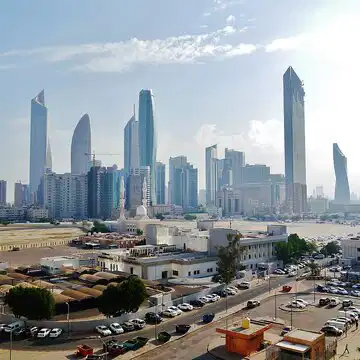
A closure of this strait would mean that exports from major Gulf oil exporters like Saudi Arabia, Iraq, Kuwait, and the UAE would be impacted, as these countries heavily rely on this waterway to transport their crude oil.
Over 80 percent of oil exports passing through Hormuz go to Asia, which makes countries like India, China, Japan, and South Korea highly vulnerable to a disruption in this trade route. There would also be a possible impact on Qatar’s LNG exports, as it is a major gas exporter in the world.