Amid the ongoing war in West Asia, a fresh controversy has emerged after Human Rights Watch alleged that Israel used white phosphorus in southern Lebanon.
The claim comes as the conflict between Israel and Iran, which began last Saturday, continues to intensify with support from the United States. Tensions linked to the conflict have spread across parts of West Asia, including Kuwait, Qatar, the United Arab Emirates, and Saudi Arabia.
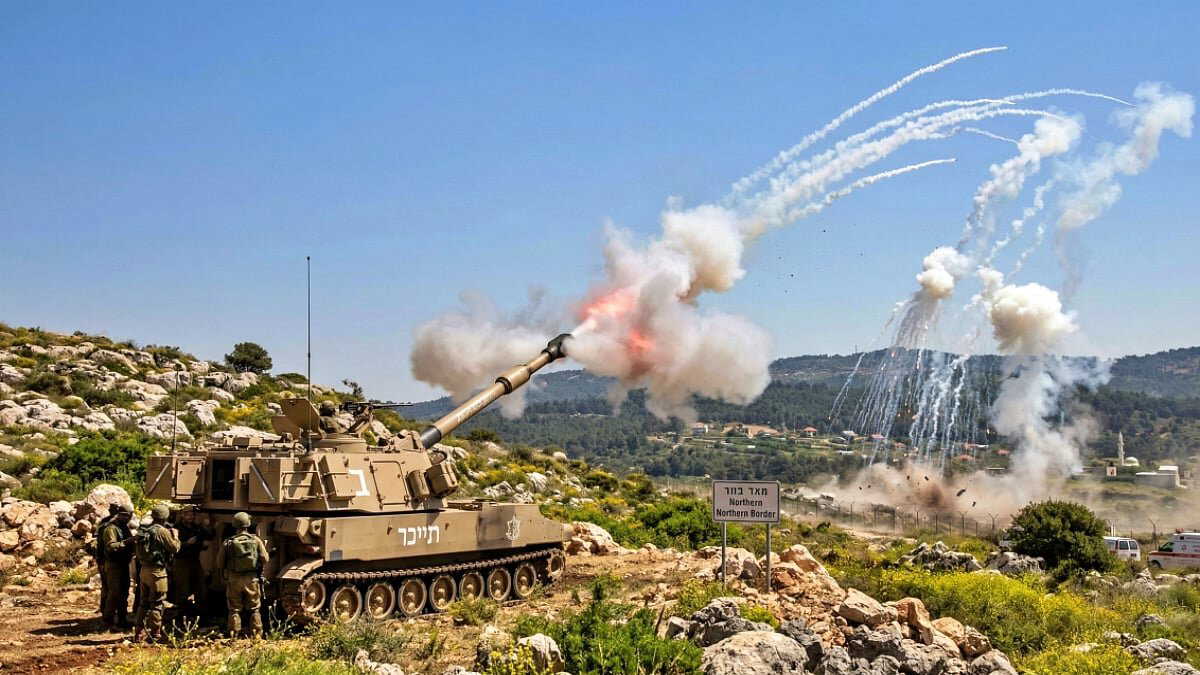
Human Rights Watch said Israel fired white phosphorus artillery into the Lebanese town of Yomor on March 3. The organisation released seven photographs, which it said showed the use of the substance in residential areas.
According to the group, the attack caused fires that damaged two houses and a car.
Rights group alleges illegal use
A member of Human Rights Watch in Lebanon said, "Israel's army has illegally fired white phosphorus charges in Lebanon."
The organisation said the substance was fired from at least two artillery pieces. It claimed the shells were launched from 155-millimetre artillery of the M825 series.
Also Read | 'Bhago yahan Se chacha': Viral video shows missile chaos in Qatar | Watch
Human Rights Watch also said this was not the first such incident. According to the group, Israel had previously used white phosphorus in Lebanon twice before. However, the Israeli military has dismissed the allegations.
The rights body warned that white phosphorus can cause severe harm if it comes into contact with the human body. It said excessive exposure may lead to serious injuries, brain damage, and even death.
Why white phosphorus is controversial
White phosphorus is a chemical substance commonly used in certain types of bombs or artillery shells. When the substance comes into contact with oxygen, it ignites quickly and spreads fire rapidly.
Because of this property, it can cause extensive damage in populated areas. Houses, vehicles, and agricultural land can catch fire within minutes.
Also Read | No Indian killed in Saudi Arabia strike, embassy clarifies after Al Kharj projectile attack
Due to these risks, the direct use of white phosphorus in civilian areas is considered a violation of international humanitarian law. Rights groups have repeatedly raised concerns about its use in conflict zones.
The latest allegations have surfaced at a time when the war in West Asia continues to expand, raising fears of a wider regional conflict.