US President Donald Trump has extended the ceasefire with Iran, just hours after indicating that he did not favour prolonging the truce. The move comes amid uncertainty over ongoing diplomatic efforts and stalled talks.
From refusal to extension
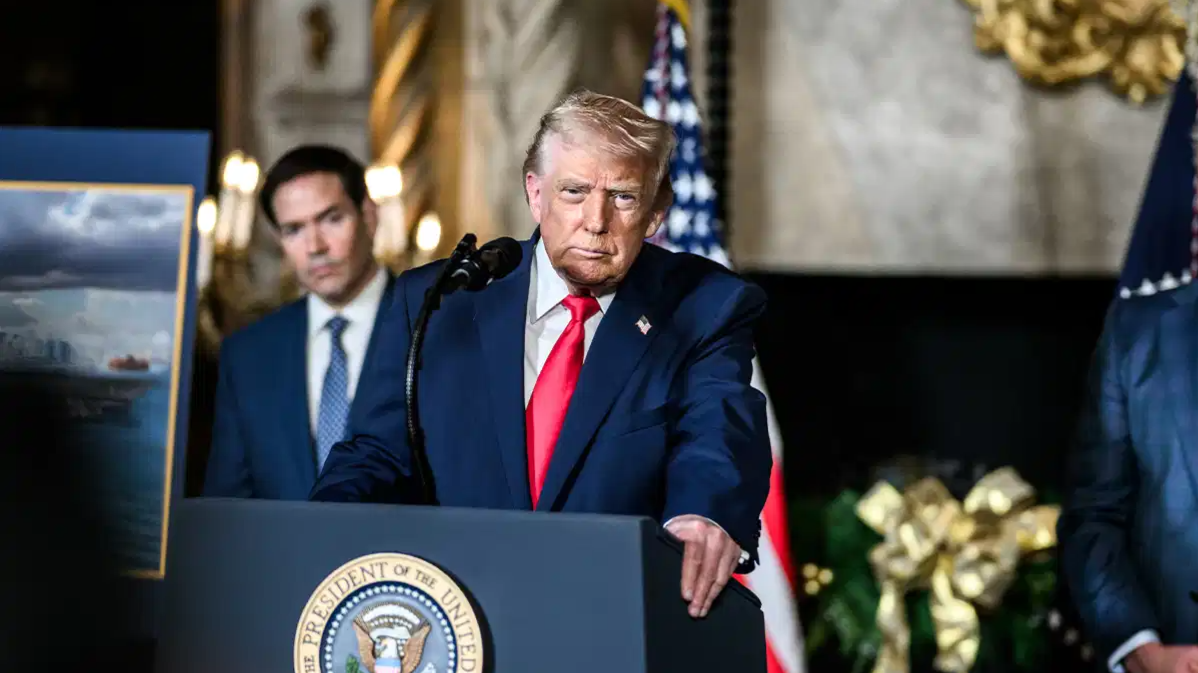
In an interview with CNBC on Tuesday, Trump had dismissed the idea of extending the ceasefire, signalling urgency in negotiations. "I don't want to do that. We don't have that much time," Trump said when asked about the possibility of prolonging the truce.
However, later the same day, he announced that the ceasefire would continue. Trump said the decision came at the request of Pakistan and would remain in place until Iran presents a "unified proposal".
Also Read | US-Iran talks: Why isn't JD Vance travelling to Pakistan despite planned negotiations?
Ceasefire with conditions
In a post on X, the White House presented Trump's statement which read, "Based on the fact that the Government of Iran is seriously fractured, not unexpectedly so and, upon the request of Field Marshal Asim Munir, and Prime Minister Shehbaz Sharif, of Pakistan, we have been asked to hold our Attack on the Country of Iran until such time as their leaders and representatives can come up with a unified proposal."
However, the blockade of ports on Iran's coast in the Strait of Hormuz will remain in place, Trump said, while the US military will "in all other respects, remain ready and able".
While extending the truce, Trump made it clear that pressure on Iran would continue. He said the US would maintain its blockade of Iranian ports and remain prepared for further action. The ceasefire, he said, will be extended "until such time as their proposal is submitted and discussions are concluded, one way or the other".
STATEMENT BY PRESIDENT DONALD J. TRUMP: pic.twitter.com/ATdRyY1qqK
— The White House (@WhiteHouse) April 21, 2026
Earlier in the day, Trump had also issued a stark warning about the consequences of failed negotiations. “I expect to be bombing because I think that's a better attitude to go in with," Trump said in an interview with CNBC.
Talks in uncertainty
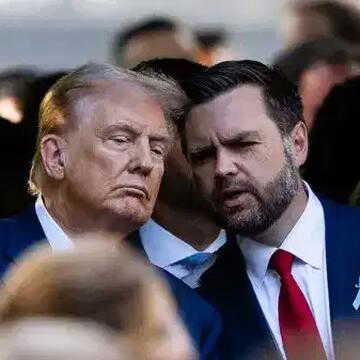
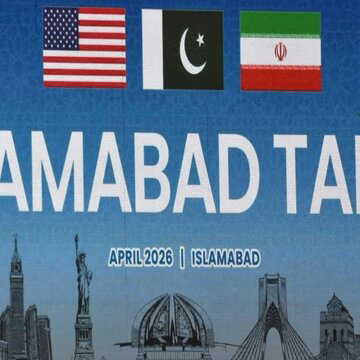
The extension comes as doubts grow over a second round of talks expected in Pakistan. The White House has already confirmed that US Vice President JD Vance will not travel to Islamabad for now, adding to the uncertainty around the diplomatic process.
Also Read | 'Chemical shipments for missiles'—Nikki Haley's big claim on Iran vessel
Tehran's muted and sceptical response
There has been no official response from senior Iranian leaders following Trump's announcement. However, early reactions from Tehran suggest a cautious and sceptical stance.
According to Reuters, some Iranian responses indicated that Trump's remarks were being viewed with doubt. Tasnim News Agency reported that Iran had not requested an extension of the ceasefire.
An adviser to Iran's lead negotiator, parliamentary speaker Mohammad Baqer Qalibaf, also suggested that the announcement may carry little weight and could be a strategic move.