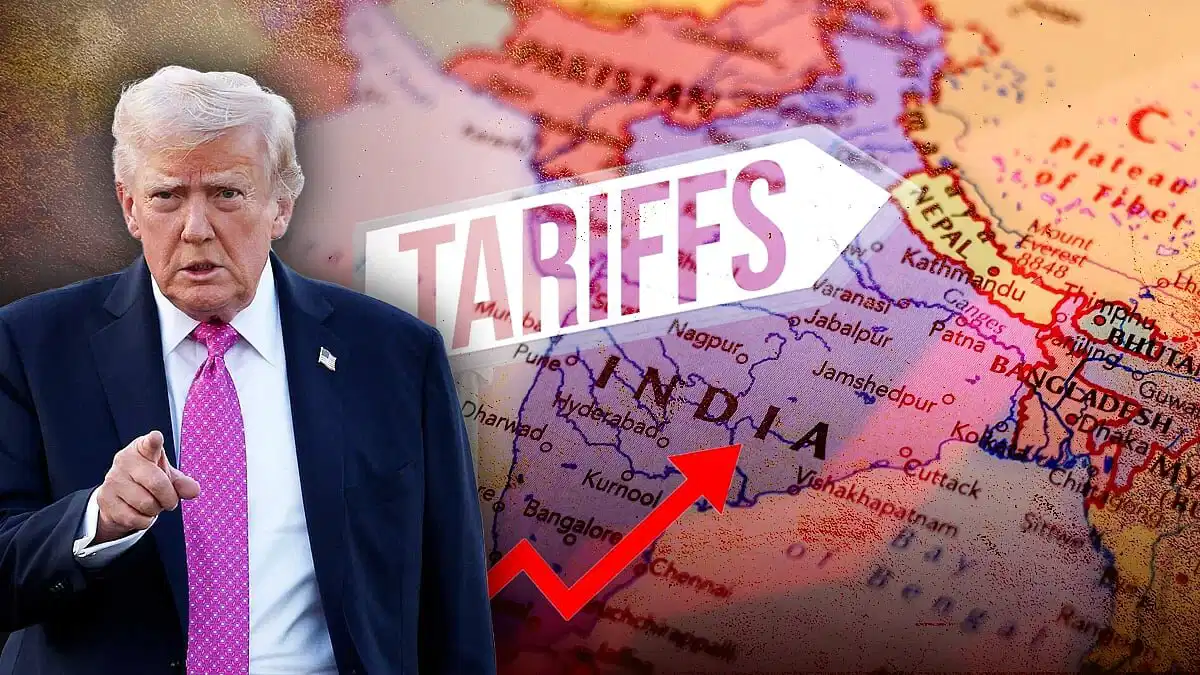
The Office of the United States Trade Representative has launched a major investigation into the trade policies of several countries, including India, warning that additional tariffs could be imposed if violations are found. The probe has been initiated under Section 301 of the Trade Act of 1974, a law previously used by the US during trade disputes with other countries.
The investigation targets 16 countries that Washington believes may be using policies that disadvantage American companies in global markets. The list includes China, Japan, South Korea, Mexico, Vietnam, Taiwan, Thailand, Malaysia, Indonesia, Cambodia, Singapore, Switzerland, Norway, Bangladesh, and the European Union.
Officials say the probe will examine whether the trade and industrial policies of these countries are harming American business and commerce.
US concerns over subsidies and excess production
According to the US administration, some countries are supporting domestic industries through subsidies, tax exemptions, and other policy incentives. Washington argues that such support reduces production costs and allows companies from those countries to sell goods at lower prices in international markets.
Also Read | Israel Defense Forces claim strike on Iran nuclear facility linked to alleged AMAD project
US policymakers also raised concerns about excess manufacturing capacity in certain economies. They say some countries are producing far more goods than their domestic markets require and exporting the surplus at low prices. This increases competition globally and puts pressure on American industries.
Another key concern is the trade deficit. The White House says the United States imports far more goods from several of these countries than it exports to them. According to officials, this imbalance may be the result of what they describe as unfair trade practices.
India's role and possible global impact
The investigation is particularly significant for India because the US is one of its largest trading partners. Indian exports to the American market include information technology services, pharmaceuticals, textiles, and engineering goods.
Washington has previously raised concerns over India's relatively higher import duties. However, New Delhi has maintained that its trade policies follow international rules and are designed to protect domestic industries.
Also Read | Did Iran really allow Indian tankers through Hormuz? Tehran breaks silence
Trade experts note that launching an investigation does not automatically lead to tariffs. Such probes usually involve consultations, written submissions, and negotiations before any final decision is taken.
However, analysts say the move could create pressure on countries to revise certain policies. If tariffs are eventually imposed on multiple countries, it could trigger fresh tensions in global trade and disrupt international supply chains.