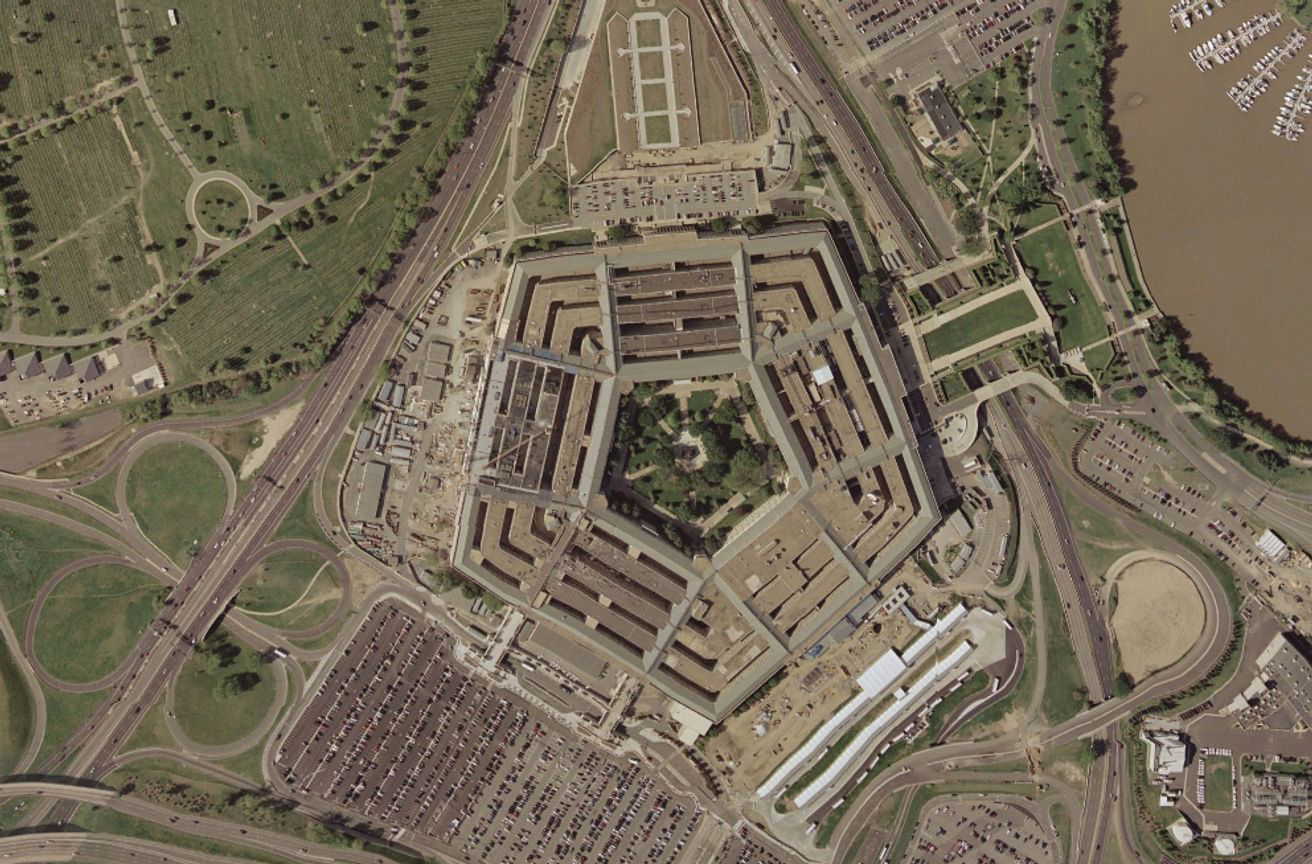
The United States has signalled a further escalation in its military campaign against Iran, with Defence Secretary Pete Hegseth declaring that the latest wave of strikes would be the most intense since the operation began. The remarks come amid continuing attacks on Iranian territory under the joint US-Israeli military campaign known as Operation Epic Fury.
Speaking on March 10, Hegseth stated that the operation would continue with increased force and precision as American forces expand their strike capabilities. The campaign, which began on February 28, has targeted several strategic locations across Iran.
Pentagon signals escalation in air strikes
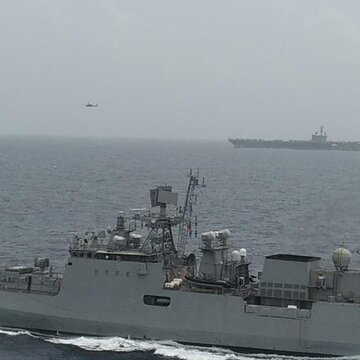
According to Hegseth, March 10 marked a significant phase in the operation, with the highest number of air strikes conducted since the campaign began. Fighter jets and long-range bomber aircraft were deployed to carry out coordinated attacks on multiple targets across Iranian territory.
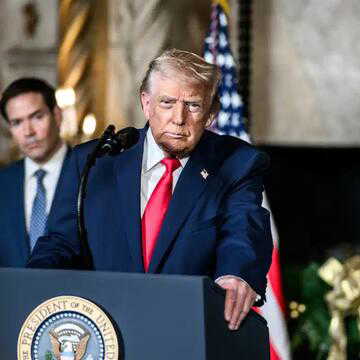
The defence chief said the United States was maintaining pressure on Iranian military infrastructure using improved intelligence and strike coordination. The intensified phase of the operation was described as a decisive attempt to weaken Tehran’s strategic capabilities and disrupt its military networks. The campaign follows a broader strategy backed by US leadership. President Donald Trump has repeatedly said the United States would continue its operations against Iranian targets until what he described as hostile threats were neutralised. Echoing that stance, Hegseth stated that American forces were “crushing the enemy relentlessly” and would continue the offensive according to US military objectives.
Casualties mount as humanitarian concerns rise
While the United States has emphasised the effectiveness of its operations, humanitarian organisations have reported significant casualties within Iran. According to the Iranian Red Crescent Society, the death toll from the ongoing strikes has reached around 1,230 people since the start of the operation.
The organisation warned that the continuing bombardment has strained emergency services and medical facilities in several affected areas. Rescue teams have been working to assist injured civilians and recover bodies from damaged sites following the air strikes. Meanwhile, US officials claimed that Iran fired the lowest number of retaliatory missiles on March 10 since the conflict began. The development was presented by American authorities as evidence that the sustained military pressure was limiting Iran’s capacity to respond effectively.
Despite this, the situation remains highly volatile as the conflict continues to evolve. With the latest wave of strikes described as the most intense so far, analysts warn that the ongoing escalation could further deepen the humanitarian crisis and heighten tensions across the wider West Asian region.