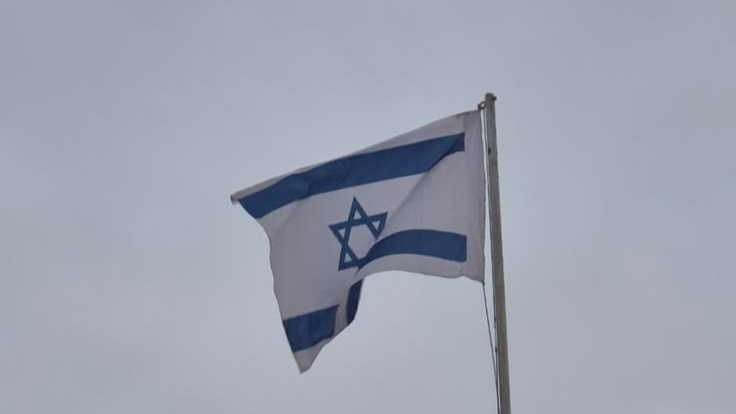
Israel’s latest wave of airstrikes on Lebanon, which reportedly killed dozens and injured hundreds in a single day, marks one of the most intense phases of the ongoing conflict between Israel and Lebanon, centred around the Iran-backed militant group Hezbollah.
According to Lebanon’s health ministry, at least 89 people were killed and over 700 wounded in a single day of strikes, underlining the scale of the escalation.
The escalation has raised a key question: Why is Israel attacking Lebanon now?
The current round of fighting can be traced to renewed cross-border hostilities, with Hezbollah launching rockets and drones into northern Israel. In response, Israel has carried out extensive airstrikes targeting what it describes as militant infrastructure, including launch pads, tunnels and weapons storage facilities.
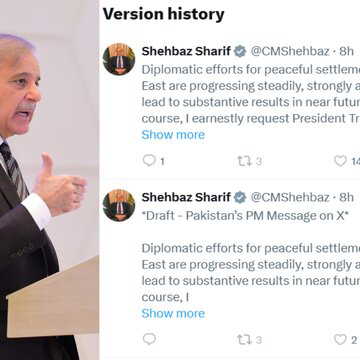
Also Read । 'Draft – Pakistan's PM': Shehbaz Sharif's post on X raises eyebrows over who wrote it
Israeli officials argue these operations are necessary to prevent sustained attacks on civilian populations living near the northern border. Hezbollah, however, frames its actions as resistance, linking its operations to broader regional tensions.
The situation extends beyond a bilateral conflict. Hezbollah’s backing from Iran places the confrontation within a larger geopolitical contest. Even as diplomatic efforts have attempted to de-escalate tensions between Iran and global powers, Israel has maintained that such understandings do not constrain its operations against Hezbollah.
This divergence has complicated ceasefire efforts. While some factions signal restraint, Israel continues strikes, arguing that the threat from Hezbollah remains immediate and unresolved.
Does Israel have a strategic objective?
At its core, the conflict reflects a long-standing rivalry between Israel and Hezbollah, now intensified by the larger geopolitical struggle involving Iran and its regional allies.
The absence of a clear, universally accepted ceasefire framework has only deepened the crisis. While Hezbollah has reportedly paused some attacks under the Iran-related truce, Israel has continued its operations, insisting that its security concerns remain unresolved.
As the conflict stretches on, concerns are growing over the absence of a clear diplomatic pathway. Efforts by international mediators have so far failed to secure a comprehensive ceasefire that includes all actors involved. The fragmented nature of negotiations has allowed violence to continue in cycles.
Also Read । Why is Bill Gates testifying in Epstein probe? What we know so far
There is also rising fear that miscalculation could trigger a wider regional war. Any direct escalation involving Iran or increased engagement from global powers could significantly alter the conflict’s trajectory. For civilians on both sides of the border, the uncertainty remains the most immediate reality. Daily life has been disrupted, economies strained, and security fears intensified.
Ultimately, Israel’s attacks on Lebanon cannot be viewed in isolation. They are part of a layered conflict involving historical hostility, strategic deterrence, and regional power dynamics. Until those underlying tensions are addressed, Kalash-level escalations like the current one are likely to recur, keeping the region on edge.