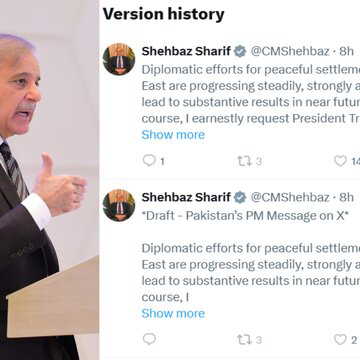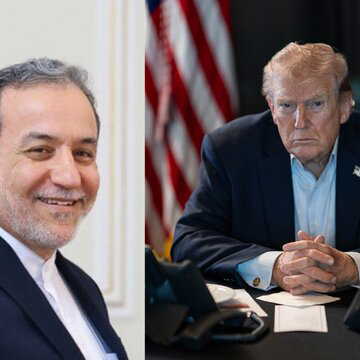
A fragile two-week ceasefire between the US and Iran has halted missile strikes and drone attacks in the Middle East for now. This took place after a diplomatic push that got Washington to agree to work with Tehran on a 10-point plan. The agreement comes at a time when tensions are high in the area. More talks are expected to happen in Islamabad after Pakistani Prime Minister Shehbaz Sharif tries to mediate.
What Iran has asked for
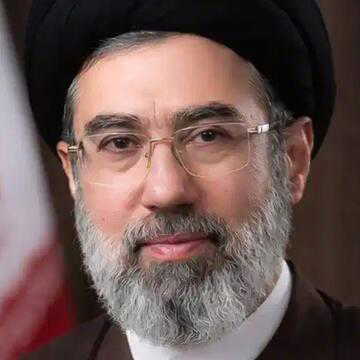
According to Iranian state media, the proposal consists of a broad range of requirements that pertain to military, economic, and nuclear policies. The demands include an agreement not to attack each other and for Iran to maintain sovereignty over the Strait of Hormuz.
Tehran has also sought recognition of its nuclear enrichment rights, along with the lifting of all primary and secondary US sanctions. The proposal calls for ending United Nations Security Council and International Atomic Energy Agency (IAEA) resolutions targeting Iran.
Other demands involve paying reparations for the damage, pulling out US combat troops from the area, and ending all disputes involving groups like Hezbollah, backed by Iran, in Lebanon.
Also Read | Iran accepts ceasefire—but warns 'our hands remain on the trigger'
Ceasefire linked to Hormuz access
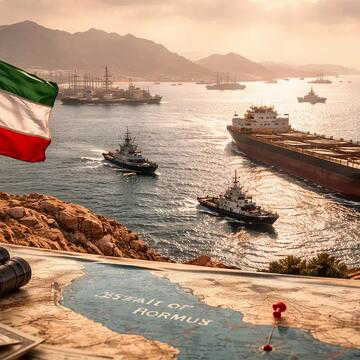
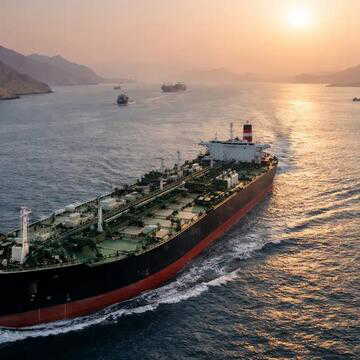
The current ceasefire has been linked to the partial opening of the Strait of Hormuz. Iran has consented to let the passage of vessels in the strait be regulated over a period of two weeks. The strait serves as a vital route for a large percentage of oil transportation globally.
In return, the US has ceased any offensive military action in addition to any further attack on Iranian assets.
Here’s a look at Iran’s 10 key demands behind the ceasefire deal:
A formal non-aggression understanding between Washington and Tehran
Iran to retain control over the Strait of Hormuz
Acceptance of Iran’s right to continue nuclear enrichment
Removal of all primary sanctions imposed by the United States
End to secondary sanctions impacting other countries dealing with Iran
Scrapping of United Nations Security Council resolutions against Iran
Withdrawal of all IAEA Board resolutions targeting Tehran
Financial compensation to Iran for incurred damages
Pullback of US combat troops from the region
A halt to ongoing conflicts, including those involving Iran-backed groups like Hezbollah, is tied to reopening the Strait of Hormuz
Also Read | Why did Trump suddenly halt Iran strikes? Here's all you need to know
Unclear path ahead
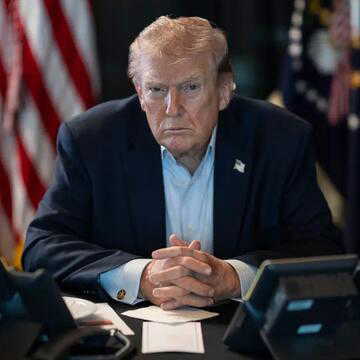
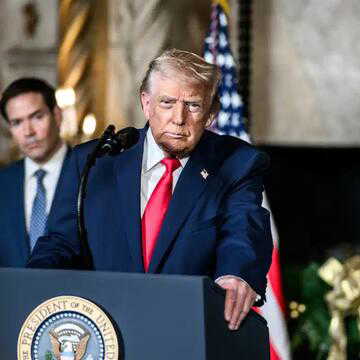
The plan was deemed "workable" by President Donald Trump and said it could serve as a starting point for a broader agreement. However, the White House has not shared detailed terms publicly. It remains uncertain how far the US is prepared to move on issues like sanctions relief and troop withdrawal.
Iran, meanwhile, has made it clear that the ceasefire is no indication that the war is over. Any violation of the agreement will result in swift retaliation for the attack, maintaining the tension even after the ceasefire.