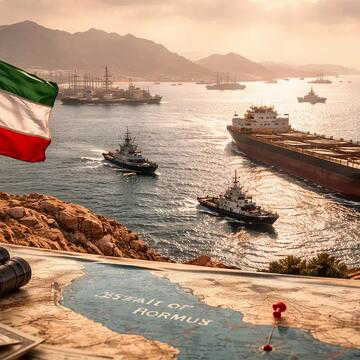
Iran's push for global recognition of its authority over the Strait of Hormuz is emerging as a central issue in the ongoing conflict, with economic, geopolitical and energy market implications tied closely to the narrow but vital shipping route.
Why Hormuz matters
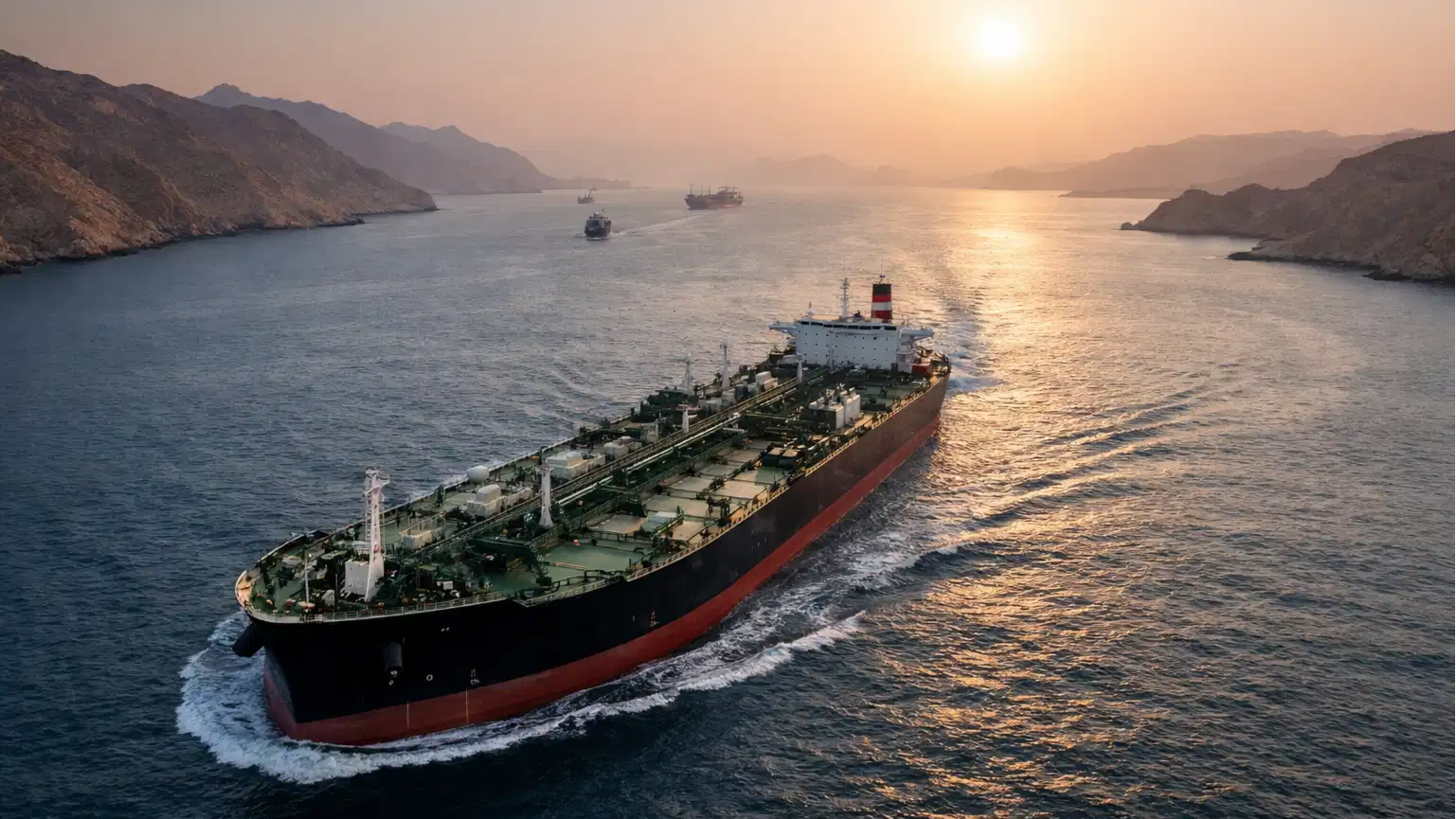
The Strait of Hormuz is one of the world's most critical energy chokepoints, handling nearly 20 per cent of global seaborne crude. Before the war began on February 28, between 100 and 135 ships passed through it daily, transporting up to 25 million barrels of oil, largely destined for Asian economies such as India, China, Japan and South Korea.
Geographically, the Strait is shared by Iran and Oman, making it a strategically sensitive corridor. Soon after hostilities began, Iran warned that ships would not be allowed to pass, a move reinforced by missile and drone strikes targeting tankers and merchant vessels. These actions sharply increased insurance and freight costs, slowing maritime traffic.
Also Read | Who is running Iran? Secret memo claims new Supreme Leader Mojtaba Khamenei in 'severe medical condition'
A $4.5 billion opportunity
Iran's demand for formal recognition of its authority over the Strait is rooted in both strategy and economics. Reports indicate that a limited number of ships have been allowed passage following back-channel negotiations and the payment of a toll: reportedly US$2 million per vessel.
If such a system were formalised, even a conservative estimate of US $1–1.5 million per ship could generate up to US$4.5 billion a month from crude tankers alone. Additional revenue from gas shipments could add another US$800 million monthly, NDTV reported.
This financial inflow could support Iran's efforts to rebuild infrastructure damaged during the conflict and strengthen its military capabilities.
Impact on global fuel prices
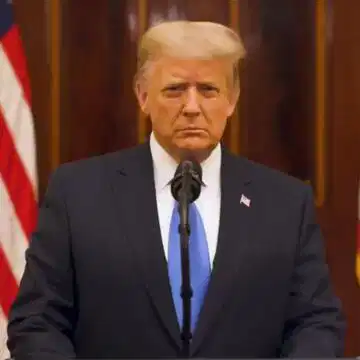
The tensions around Hormuz have already pushed benchmark Brent crude prices above US $110 per barrel, marking a sharp increase since late February. In the United States, fuel prices have crossed US$4 per gallon, adding pressure on Donald Trump to resolve the crisis.
Globally, rising freight, insurance and risk premiums have contributed to higher fuel costs. Estimates suggest disruptions in the strait could add anywhere between $4 and $25 per barrel, depending on the severity of the situation.
What it means for India
India, which previously sourced 40–50 per cent of its crude imports through the Hormuz route, faces potential cost pressures if tolls are imposed. Higher shipping and insurance costs could translate into increased prices at import points.
So far, the government has cushioned domestic consumers by absorbing part of the rising crude costs and adjusting duties. However, sustaining these measures may prove difficult if additional charges, including potential Iranian tolls, come into play.
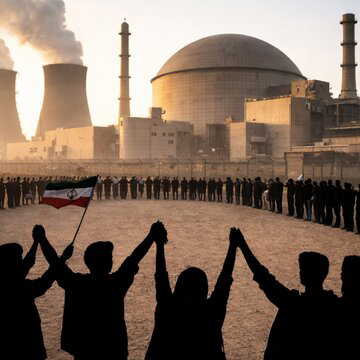
Also Read | Why has Iran asked its youth to form a human chain around power plants?
Officials have maintained that no tolls have been paid, stating, "No 'permission' is required to sail through the Strait of Hormuz… It is the decision of the charterer and shipping company when to sail or when not to sail."
Strategic leverage and control
Beyond economics, control over Hormuz strengthens Iran's geopolitical position. It allows Tehran to regulate maritime traffic and potentially block vessels from adversarial nations such as the US and Israel, even in a post-war scenario.
Positioning itself as a 'gatekeeper' to Gulf energy flows also enhances Iran's influence over regional trade and diplomacy, while offering leverage in future negotiations.
Iran's claim, however, faces legal challenges. Under the United Nations Convention on the Law of the Sea, the strait is considered an international waterway, guaranteeing free transit for all vessels. Oman has supported this position, while other Gulf nations have raised concerns about regional security.