The government of Nepal on Tuesday formally withdrew the controversial Social Media Bill 2025 from Parliament, ending a proposal that had sparked widespread criticism and months of youth-led protests across the country.
Announcing the decision after a Cabinet meeting, Home Minister and government spokesperson Om Prakash Aryal said the bill had been taken off the parliamentary agenda. “The government has decided to withdraw the Social Media Bill-2025 from the federal parliament,” Aryal told reporters.
Also Read | Concerns mount over sudden Bangladesh-US trade deal before elections
The legislation, introduced last year under the former government of K P Sharma Oli, was criticised for granting sweeping powers to the state to regulate social media platforms. Critics, including civil society organizations, media, and digital rights activists, argued that the bill could be used to restrict online freedom of expression and further control the online environment by the government.
A bill that sparked street protests
The Social Media Bill was initially presented to the National Assembly on January 28, 2025, by Prithvi Subba Gurung. The bill was presented at a time when there was increasing pressure between the Oli government and the people over internet regulation.
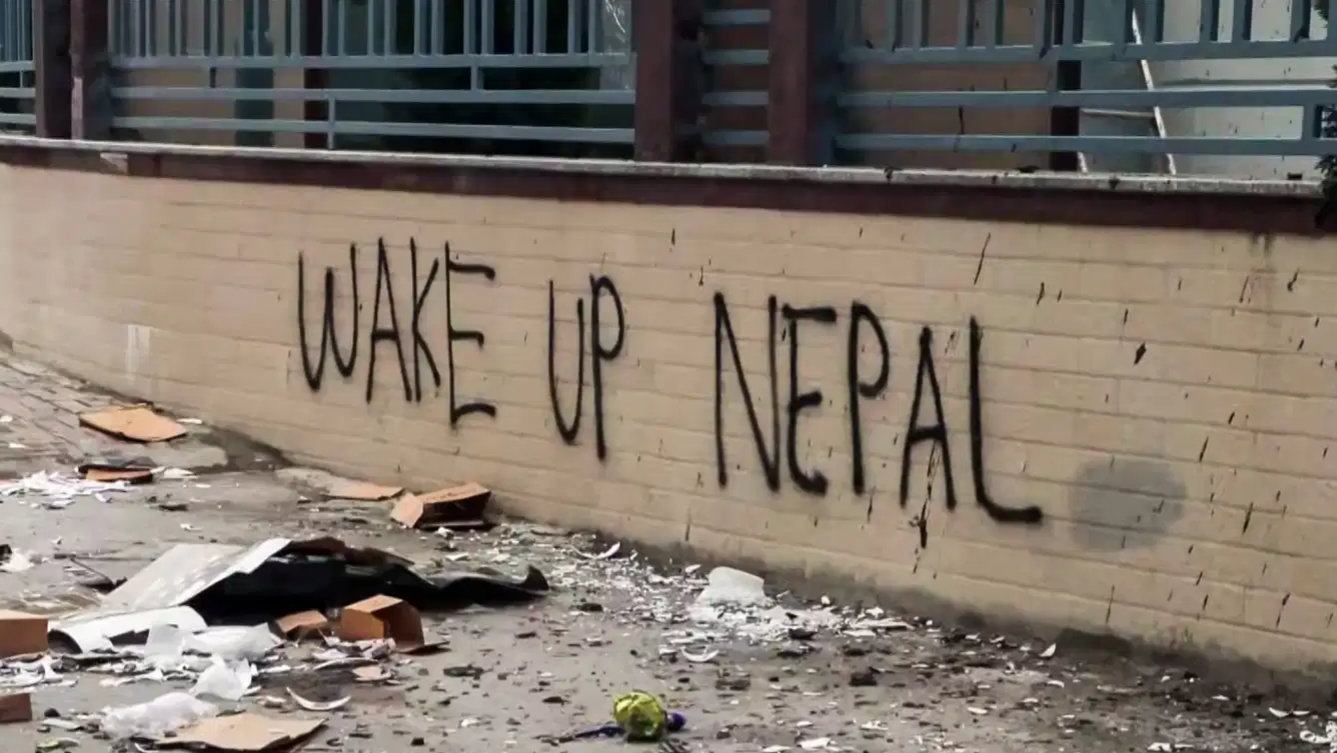
The opposition to the Social Media Bill escalated very quickly in September 2025 when the government blocked access to 26 social media sites like Facebook, Instagram, WhatsApp, YouTube, and X because the sites had failed to register with the government. This resulted in mass protests led by young Nepalis who felt that the government was attacking freedom of expression.
Also Read | Oracle plans 30,000 layoffs to fund massive AI data centre expansion
The protests, which was also referred to as Nepal’s “Gen Z movement,” soon broadened beyond internet restrictions. Demonstrators raised concerns about corruption, accountability and governance, adding pressure on the Oli government, which later resigned amid mounting political instability.
Observers say the withdrawal of the bill reflects an attempt by the current administration to distance itself from the previous government’s approach to digital regulation and to address public anger over internet controls.