Tokyo’s Haneda Airport is preparing to test humanoid robots for ground handling work in a move that could signal a major shift in how airports operate. Japan Airlines, together with GMO AI & Robotics, has announced a demonstration project scheduled to begin in May 2026. The aim is to support airport staff, improve efficiency and respond to growing labour shortages in Japan.
The initiative is being described as Japan’s first attempt to use humanoid robots for airport ground operations. As airports worldwide face staffing challenges and increasing passenger traffic, the trial is drawing global attention.
Why airports need new solutions
Ground handling is one of the most demanding parts of airport operations. It includes tasks such as loading cargo, moving baggage containers, securing equipment and helping prepare aircraft for departure.
These jobs often involve heavy lifting, outdoor work in varying weather conditions and tight turnaround schedules between flights. Finding workers for such physically intense roles has become increasingly difficult in Japan, where labour shortages have affected multiple industries.
Also Read | Koh-i-Noor remark gone wrong? NYC Mayor Mamdani faces backlash over ‘rude’ royal welcome to King Charles
By bringing in robotic support, airport operators hope to reduce pressure on existing teams while maintaining smooth day-to-day operations.
What the humanoid robots will do
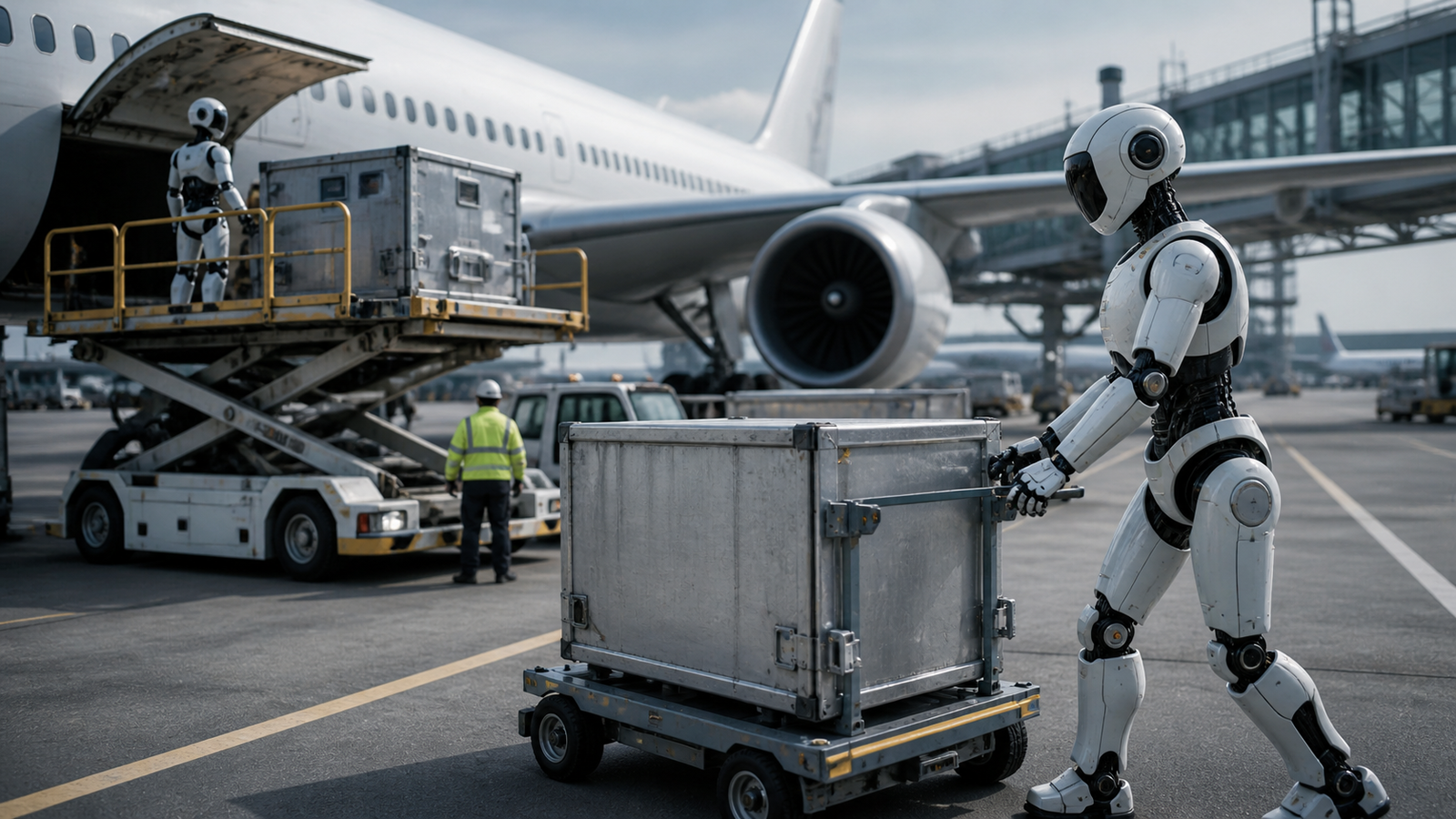
The upcoming trial will use two humanoid robots made in China. Unlike traditional industrial machines, these robots are built with arms, legs and movement patterns similar to humans.
During the test phase, the robots are expected to handle selected ground tasks such as transporting cargo containers and operating locking levers used to secure baggage units and freight loads.
Because they are designed in a human-like form, they may be able to work with current airport equipment and spaces without requiring major infrastructure changes. That could make them easier to introduce into real airport environments.
Why humanoid design matters
Many airport systems were originally built for human workers. Storage areas, controls, pathways and loading zones are sized and arranged around human movement.
Also Read | US resumes direct flights to Venezuela after 7-year gap
A humanoid robot may be able to navigate stairs, narrow workspaces and equipment layouts more naturally than larger automated machines or fixed robotic systems. This flexibility could allow airports to automate certain jobs without completely redesigning terminals or service zones.
That is one reason companies are increasingly exploring humanoid robotics beyond factories and warehouses.
Will robots replace human workers?
For now, the answer appears to be no. The current project is a demonstration meant to test performance, reliability and safety in real working conditions.
Also Read | Kohinoor diamond back in focus as Zohran Mamdani calls for its return to India
Human workers are still expected to oversee operations, especially in tasks that require quick judgement, safety decisions or coordination during busy flight schedules.
Instead of replacing staff immediately, the robots are being positioned as assistants for repetitive and physically demanding work. If successful, they may help workers focus on skilled and time-sensitive duties.
What could come next
If the trial delivers positive results, airports may consider expanding robot use into other functions. Possible future roles could include baggage loading, aircraft cabin cleaning, equipment transport or terminal support services.
As artificial intelligence improves, such robots could eventually perform more tasks with greater independence.
Why the world is watching
Airports across the world are looking for ways to handle rising travel demand, staffing shortages and operational delays. If Haneda Airport’s trial proves practical, it could become a model for other major airports.
The project also shows how robotics is entering everyday public spaces. What once felt like science fiction may soon become part of the travel experience for millions of passengers.