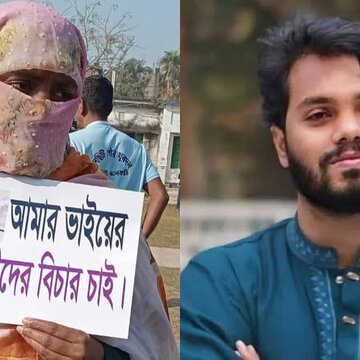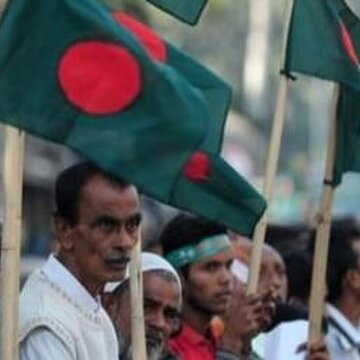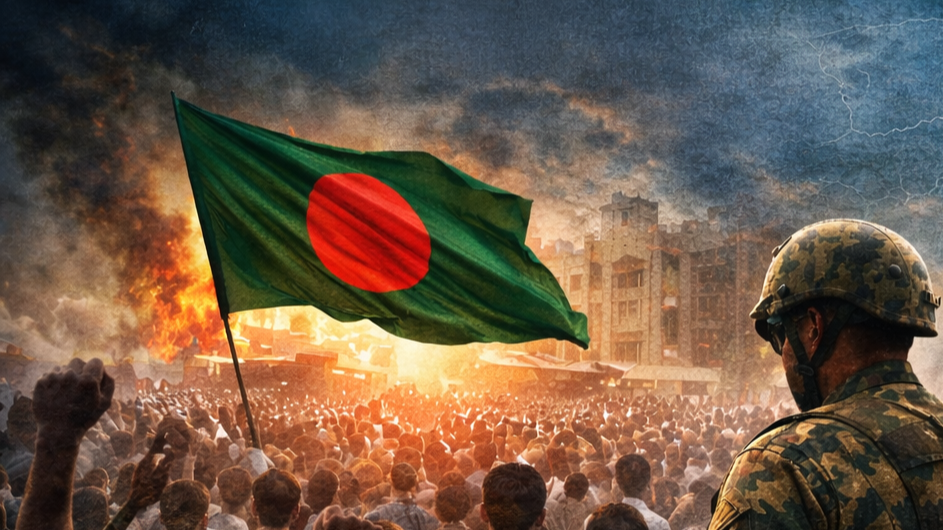
Bangladesh is holding its first general election since the August 2024 uprising that brought an end to Sheikh Hasina’s 15-year regime. Sparked by protests over public sector job quotas, the movement spiralled into the deadliest political unrest since the country’s independence, claiming more than 1,000 lives and dismantling a long-standing political order.
Here’s a look at essential keypoints-
Scale of the election
Nearly 127 million voters are choosing 350 members of parliament (300 through direct elections and 50 reserved seats for women). With over 50 political parties and more than 2,000 candidates contesting, European Union observers have called it the “biggest democratic process of 2026, anywhere”.
From student protests to regime change
The turning point came in July 2024, when student demonstrations escalated into a nationwide revolt. As unrest intensified, Hasina resigned and fled to India in early August. Subsequently, the Awami League was barred from contesting, bringing an end to decades of two-party dominance.
Youth and geopolitics in focus
With a median age of 25, first-time and young voters could significantly influence outcomes. Turnout is expected to surpass the roughly 25% recorded in January 2024. Internationally, relations with India have cooled, Yunus chose China for his first official visit, and ties with Pakistan have strengthened. Analysts suggest the incoming government will likely adopt a pragmatic approach toward both India and China.
ALSO READ | Ahead of Bangladesh polls, tea worker found dead with hands, feet tied
The interim administration
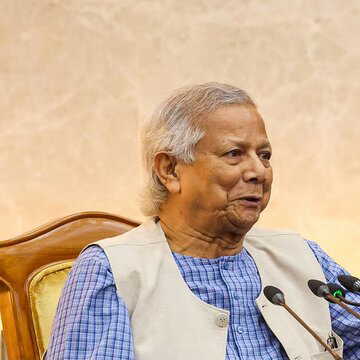
Nobel Peace Prize laureate Muhammad Yunus, 85, returned to lead an interim government. He described the governance structure he inherited as “completely broken” and has promised to hand over authority to the elected leadership “with deep pleasure and pride”.
Jamaat’s political re-entry
After being sidelined for years, Jamaat-e-Islami re-entered electoral politics when the Supreme Court reinstated its registration in 2025. Leader Shafiqur Rahman has campaigned on anti-corruption and social welfare themes.
A parallel constitutional vote
Alongside parliamentary polling, voters are participating in a referendum on major constitutional changes designed to reduce the concentration of executive power and reinforce judicial independence.
BNP’s renewed push
The Bangladesh Nationalist Party, headed by 60-year-old Tarique Rahman, is widely viewed as the frontrunner. Rahman returned in December after 17 years in exile, pledging economic recovery and job creation, and asserting that “the economy has been destroyed”.
ALSO READ | Bangladesh votes for change: Jamaat-e-Islami rises as a new key player- is the 1972 Constitution at risk?
The July National Charter proposals
Reforms under consideration include introducing term limits for the prime minister, creating an upper house of parliament, expanding presidential authority and strengthening the judiciary. Advocates say the changes would guard against one-party rule, while critics insist the reforms must have constitutional safeguards to endure.
Awami League out of the race
Sheikh Hasina remains in India after being sentenced to death in absentia for crimes against humanity related to the 2024 protests and crackdown. Human rights groups have criticised the decision to bar her party.
Security backdrop and violence
More than 300,000 security personnel have been deployed nationwide. Ain o Salish Kendra recorded 158 deaths and over 7,000 injuries in political violence between August 2024 and December 2025. Police data show five deaths and more than 600 injuries during the current campaign. UN experts have raised concerns about intolerance and widespread disinformation.
Ballots will be counted manually after polling concludes, with results expected tomorrow.