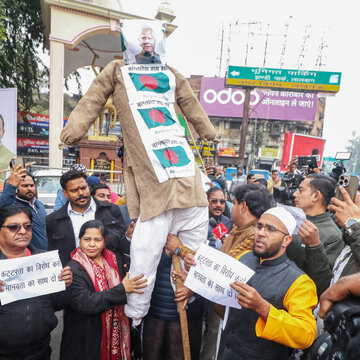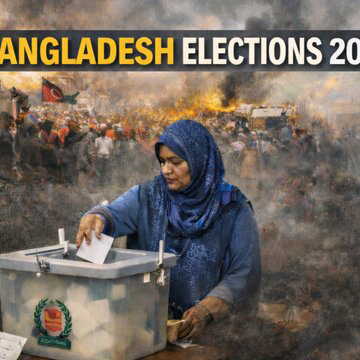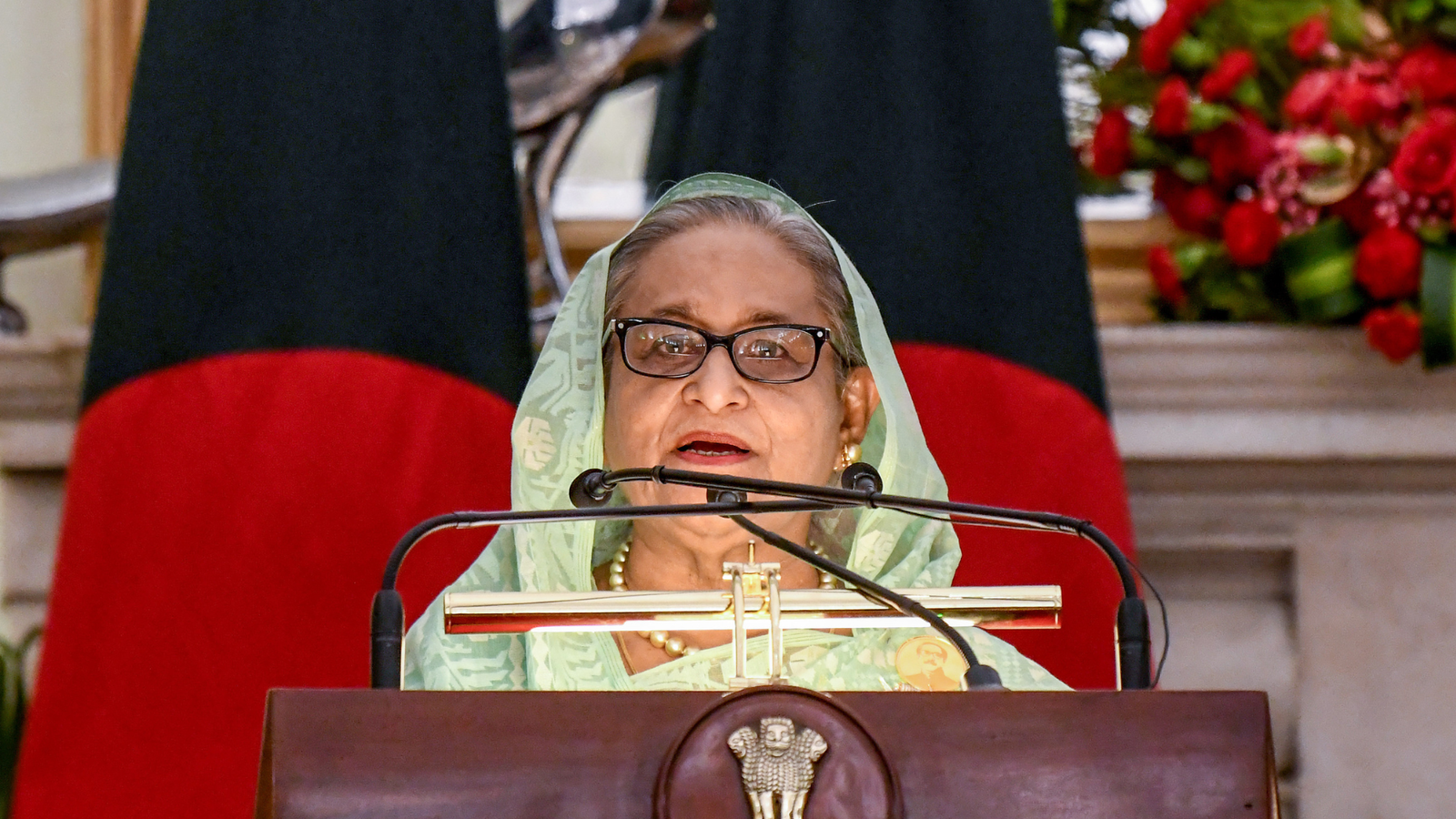
As Bangladesh prepares for its first parliamentary election since the extradition of former Prime Minister Sheikh Hasina in August 2024, the political atmosphere remains tense and significantly symbolic. The upcoming vote and connections with Hasina have also revived memories of one of the country’s darkest chapters: the assassination of its founding leader, Sheikh Mujibur Rahman, on August 15, 1975.
The Polling is set for February 12, 2026. The race is expected to be led by the Bangladesh Nationalist Party (BNP), headed by Tarique Rahman, along with a newly formed alliance called the “Like-minded 11 Parties”, led by Bangladesh Jamaat-e-Islami and the National Citizens Party. The Awami League, previously led by Hasina, has been barred from contesting the election, reshaping the country’s political landscape ahead of the crucial vote.
The country is currently governed by interim leader Muhammad Yunus amid widespread protests, political violence and unrest, a reminder that Bangladesh’s politics has long been shaped by trauma rooted in earlier historical shocks.
ALSO READ | Hindu businessman brutally murdered in Bangladesh days before Parliamentary polls
The 1975 coup that shook Bangladesh
One of the darkest moments in Bangladesh’s history came on August 15, 1975, when the country’s founding leader, Sheikh Mujibur Rahman, father of Sheikh Hasina, was assassinated in a military coup. The incident changed the nation’s political course forever.
Weeks before the killings, in July 1975, Hasina and her sister, Sheikh Rehana, travelled to Germany, where Hasina’s husband, physicist MA Wazed Miah, was working.
A month later, on August 15, armed Bangladesh Army personnel stormed Mujibur Rahman’s residence in Dhaka’s Dhanmondi area. Mujibur Rahman, his wife, three sons and two daughters-in-law were killed. In total, 36 people were killed, making it one of the bloodiest coups in modern political history.
Following the massacre, Hasina, along with her husband, children and her sister, sought refuge in India.
ALSO READ | Who’s winning Bangladesh polls? BNP–Jamaat battle remains neck-and-neck, surveys indicate
Indemnity Act and its aftermath
The 1975 coup shaped Bangladesh’s political trajectory. The assassination of Sheikh Mujibur Rahman, widely known as “Bangabandhu,” marked a new chapter in the beginning of a long period of military influence over governance. The years that followed saw repeated coups, counter-coups and intense power struggles within sections of the armed forces, creating deep political instability.
Controversial legal and constitutional steps also shaped the timeline after the assassination. One of the most debated was the Indemnity Act, introduced after the killings, which shielded those involved in the assassination from prosecution.
In the years following the coup, successive military-backed administrations were reported to have rewarded some of the accused killers with diplomatic assignments. Several later returned to public life, with some forming political parties and contesting elections in the 1980s. For decades, the Indemnity Act blocked legal action against those involved in the assassination.
Nearly 45 years later, in April 2020, Bangladesh carried out the execution of one of the convicted killers, a delayed act of justice tied to a wound that continues to shape the country’s political landscape even today.