A week after the United States and Iran agreed to a 60-day truce, shipping activity in the Strait of Hormuz has started to recover. However, recent military exchanges and unresolved disputes over navigation routes and maritime security continue to create uncertainty in one of the world's most important energy corridors.
The latest tensions emerged after the Singapore-flagged container ship Ever Lovely was struck in the Strait on Thursday. Washington blamed an Iranian attack drone for the incident, per a report by Hindustan Times.
The US Central Command later targeted Iranian missile and drone storage facilities as well as coastal radar sites, describing the operation as a "powerful response to yesterday's attack".
Also Read | 'Foolish Violation': Trump accuses Iran of breaching ceasefire with drone attack
Iran's Islamic Revolutionary Guard Corps said it had "successfully repelled the attack" and claimed its forces had struck "US military positions in the region".
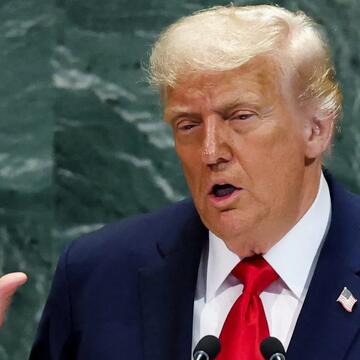
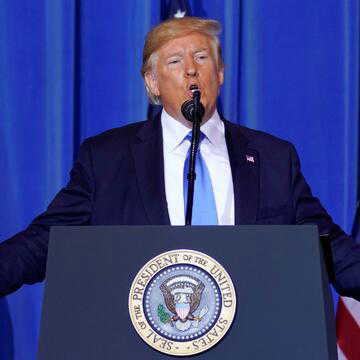
Before the strikes, President Donald Trump had signalled growing frustration, saying, "I don't like the fact that they took a shot."
Shipping returns, but risks remain
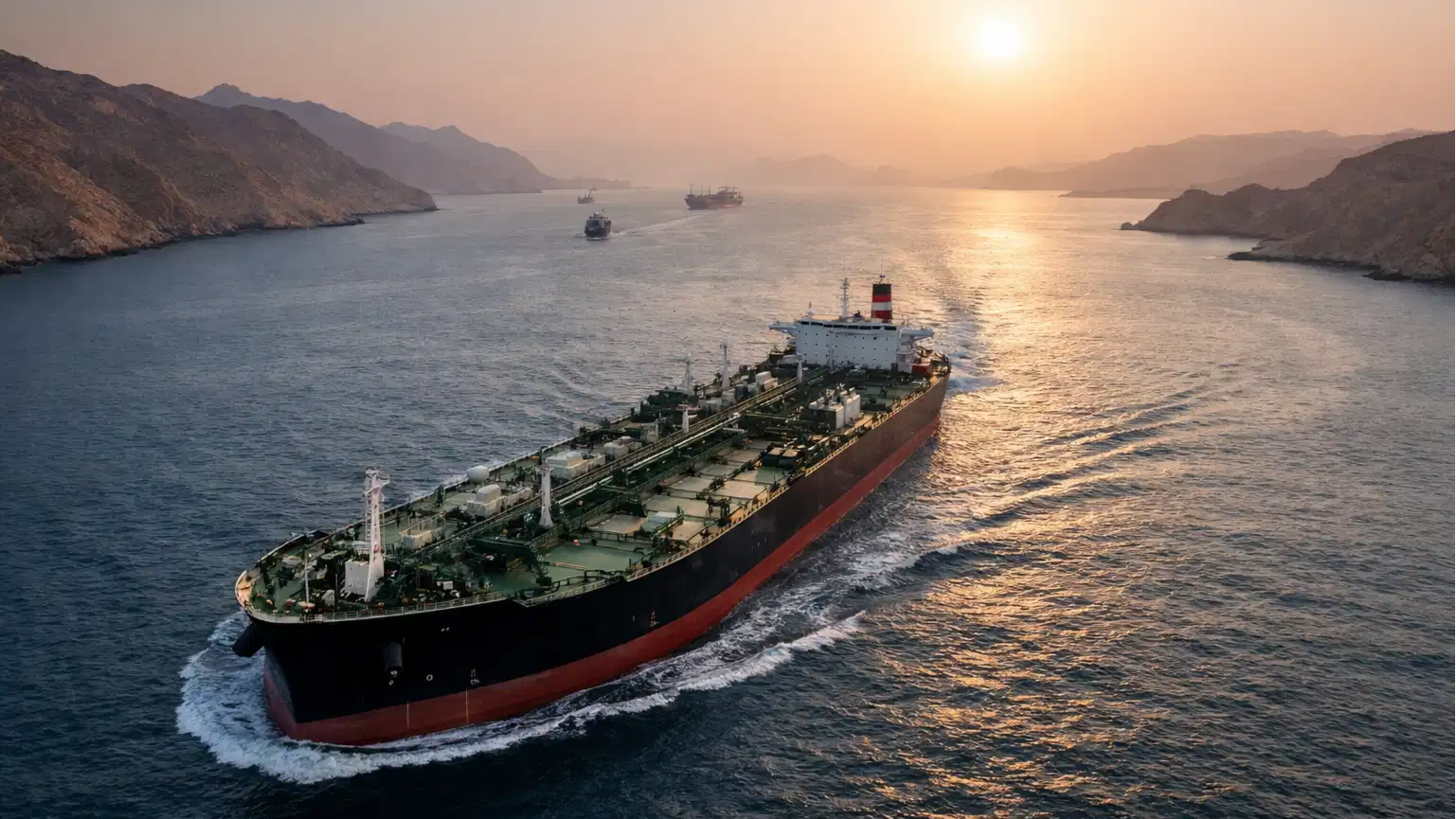
Reports suggest that exports from the Gulf have recovered to around 80 per cent of pre-war levels. Saudi Aramco has resumed operations at its Ras Tanura terminal, while several oil tankers have returned to the region.
Despite this recovery, the International Maritime Organisation (IMO) estimates that around 80 mines remain in the traditional shipping lanes of the Strait, HT reported.
The presence of mines and security concerns have led to the creation of separate navigation routes, including a southern channel coordinated by the United States and another route closer to the Iranian coast.
Also Read | US strikes Iranian missile sites after cargo ship attack in Strait of Hormuz
Per HT, the IMO said that 115 vessels and nearly 2,500 seafarers have safely crossed the Strait since Tuesday, HT reported. However, evacuation operations involving hundreds of ships were temporarily suspended after the latest attack.
Strait of Hormuz crossings surge as operators shift to Omani route
— MarineTraffic (@MarineTraffic) June 25, 2026
Confirmed vessel activity through the Strait of Hormuz rose sharply on 24 June, with 70 crossings recorded, up 105% day-on-day, as demining efforts advanced and more operators used the Omani route.
According to… pic.twitter.com/DPV8tcEyWZ
Toll dispute adds to uncertainty
Disagreements also continue over the future management of the Strait. Iran has indicated that vessels may eventually be required to pay certain charges, while the United States maintains that international law guarantees free passage.
US Secretary of State Marco Rubio said Iran had agreed that "there aren't going to be any fees or tolls, and so I think that's good news".
Also Read | The biggest problem for stranded ships in Hormuz isn't oil or war — it's this
He also warned that introducing charges at major maritime routes could create wider problems, saying, "then we're going to have chaos".
While oil prices have fallen in recent days, developments in the Strait continue to influence energy markets and regional stability.
FAQs:
Why is the Strait of Hormuz important?
It is one of the world's busiest oil shipping routes, handling a large share of global energy exports.
Why are ships still facing risks in the Strait of Hormuz?
Security concerns, mines, navigation disputes and recent military incidents continue to affect the route.