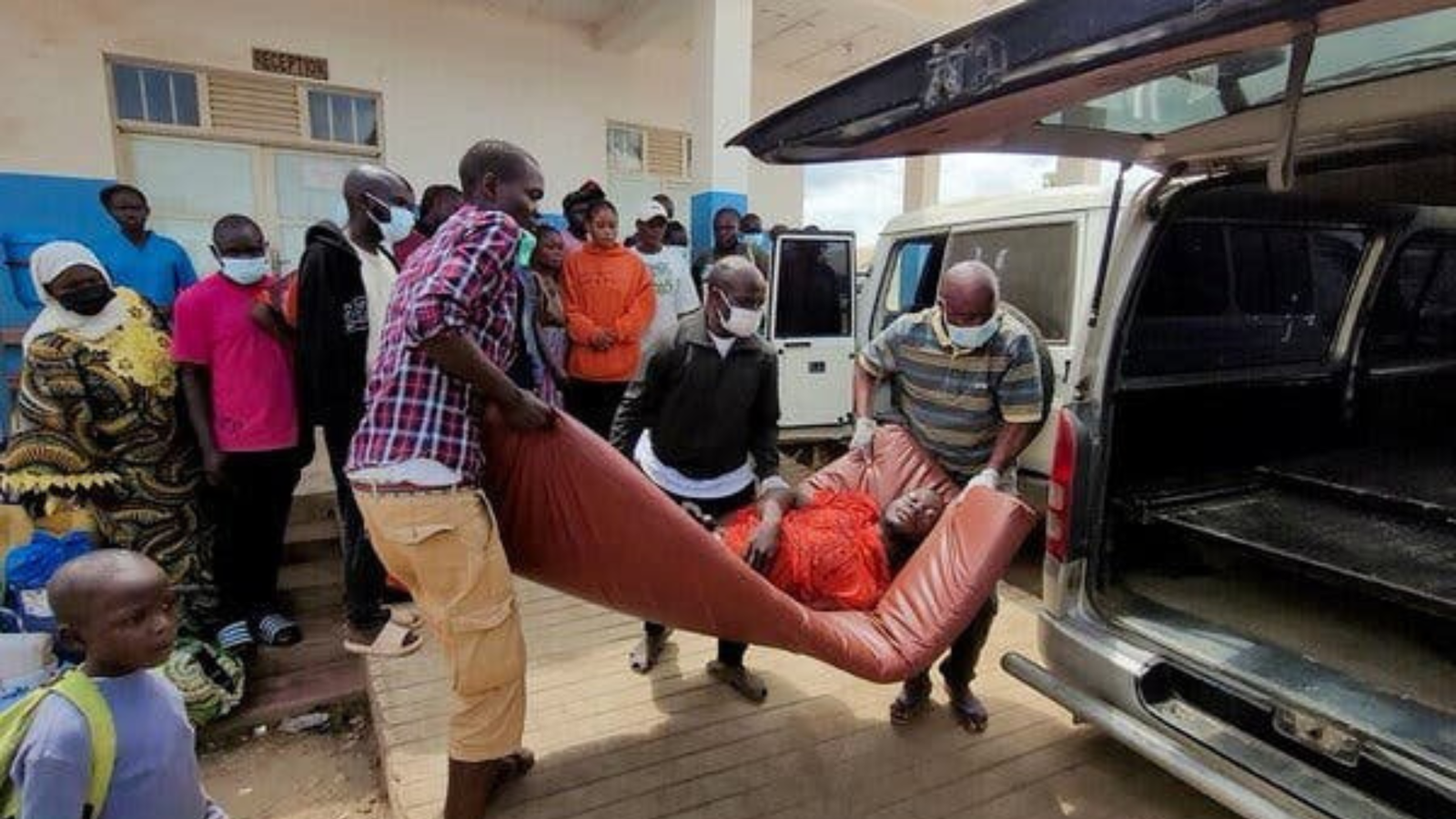
The World Health Organization (WHO) has issued its first comprehensive clinical management guidelines for filovirus diseases, covering all known Ebola virus variants as well as Marburg virus disease. The guidance was released on June 17, 2026, as African nations continue to face recurring outbreaks of these highly dangerous infections.
The announcement comes while the Democratic Republic of the Congo is responding to an active Ebola outbreak linked to the Bundibugyo virus strain, one of the Ebola variants for which no licensed vaccine or specific treatment is currently available.
Why the new guidelines matter
Filovirus diseases are among the world's deadliest viral infections. They include several Ebola virus species such as Zaire, Sudan, Bundibugyo and Taï Forest, along with Marburg virus. These illnesses can trigger severe symptoms including high fever, internal and external bleeding, organ failure and, in many cases, death.
Also Read | Why were US-Iran talks postponed? Israel-Hezbollah ceasefire offers part of the answer
According to WHO, fatality rates during outbreaks have ranged from 25% to 90%, depending on the virus strain and local conditions. Since the Marburg virus was first identified in 1967, Africa has recorded 72 filovirus outbreaks.
With limited treatment options available for several strains, supportive medical care remains the primary way to improve patient survival.
Key recommendations for frontline health workers
The new guidelines were developed using evidence gathered from past outbreaks and consultations with global health experts. They offer 16 recommendations aimed at helping healthcare workers provide more effective treatment, particularly in resource-constrained settings.
Key measures include:
Laboratory monitoring to identify complications such as low blood sugar levels and electrolyte imbalances.
Rapid rehydration through oral rehydration solutions and intravenous fluids.
Early treatment of shock using intravenous fluids and vasoactive medicines, supported by continuous monitoring of vital signs. Prompt use of antibiotics when bacterial infections or sepsis are suspected.
Also Read | Brazil shocked by second fatal fall in two days as woman dies during hiking trip
Long-term follow-up care for survivors to manage lingering health issues and reduce the risk of further transmission linked to viral persistence.
WHO Director-General Dr Tedros Adhanom Ghebreyesus stated that the guidelines demonstrate how science can be leveraged to protect people during health emergencies.
Focus on preparedness and survival
WHO has called on governments and health authorities to incorporate the recommendations into national outbreak response plans. The agency said early diagnosis, timely referral and quality supportive care remain critical to reducing deaths during Ebola and Marburg outbreaks.