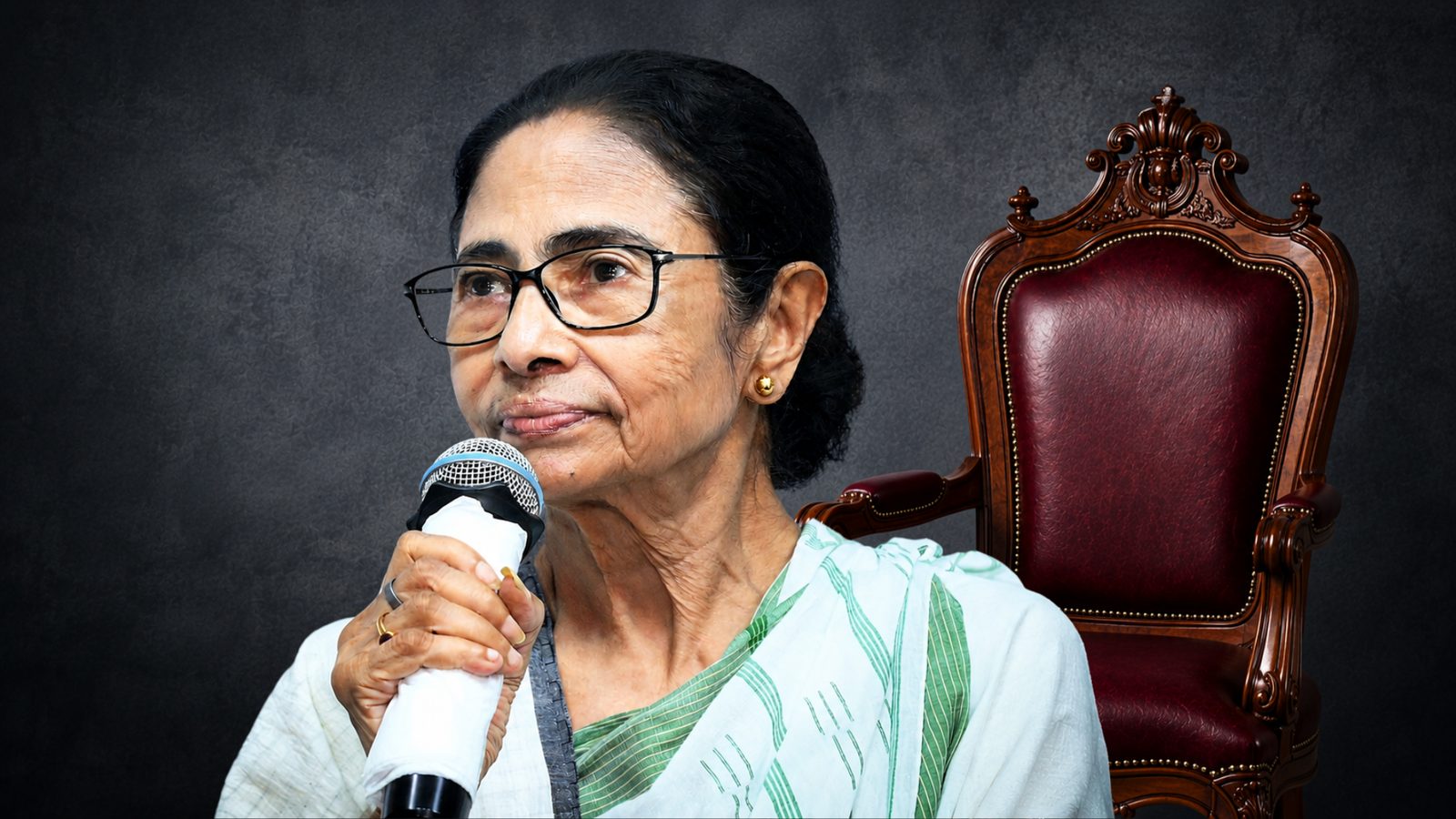
The political battle in West Bengal appears far from over even after the election results. A day after the TMC’s defeat, Chief Minister Mamata Banerjee addressed a press conference in Kolkata and alleged that the BJP and the Election Commission “forcefully captured” the polls in the state.
Questioning the legitimacy of the outcome, Banerjee claimed the BJP’s victory was not a reflection of the people’s mandate but the result of a larger conspiracy. She also accused the Election Commission and central forces of favouring the BJP during the voting and counting process.
“No question of me resigning; we were defeated not by public mandate but by conspiracy,” she said.
Mamata targets EC, CRPF over poll process
During the press conference, Banerjee alleged that TMC workers were prevented from entering counting centres despite having legal permission. She further claimed that party workers were assaulted by security personnel and BJP supporters during the election process.
Also Read | ‘Now, I am a free bird’: Mamata Banerjee vows to fight BJP ‘anywhere, everywhere’, promises comeback
The outgoing chief minister also hinted at possible action against the Election Commission, though she did not specify what steps the party might take. Banerjee said she would consult INDIA bloc leaders before deciding the next course of action.
 /ANI
/ANI Her remarks have triggered debate over whether a chief minister can continue in office after losing majority support in the Assembly.
What does the Constitution say?
Under Article 164 of the Constitution of India, a chief minister remains in office only as long as they enjoy the confidence of the legislative assembly.
With the BJP securing a majority in the West Bengal Assembly, constitutional experts say the TMC government cannot continue if it no longer commands the numbers required to govern. Even if a chief minister refuses to submit a resignation, the Governor has the authority to dismiss the council of ministers once it becomes clear that the government has lost majority support. The Governor can then invite the majority party to form the new government.
In simple terms, refusing to resign does not allow an outgoing government to remain in power indefinitely.
Also Read | ‘Won’t resign’: Mamata Banerjee rejects mandate, alleges conspiracy in Bengal defeat
What experts are saying
As per a report by the Hindustan Times, Supreme Court Bar Association president Vikas Singh said such situations are governed by the “Doctrine of Pleasure” under the Constitution when the majority enjoyed by a government comes under question.
"I don't think Mamata Banerjee will have any right to oppose the formation of the new Govt. It's more of a posturing or a public statement meant to evoke sympathy rather than a constitutional step…..in a situation like this, which is definitely extraordinary, if the CM says "I will refuse to resign", she can be easily asked to step down and a new person be administered oath," Hindustan Times quoted Singh as saying.
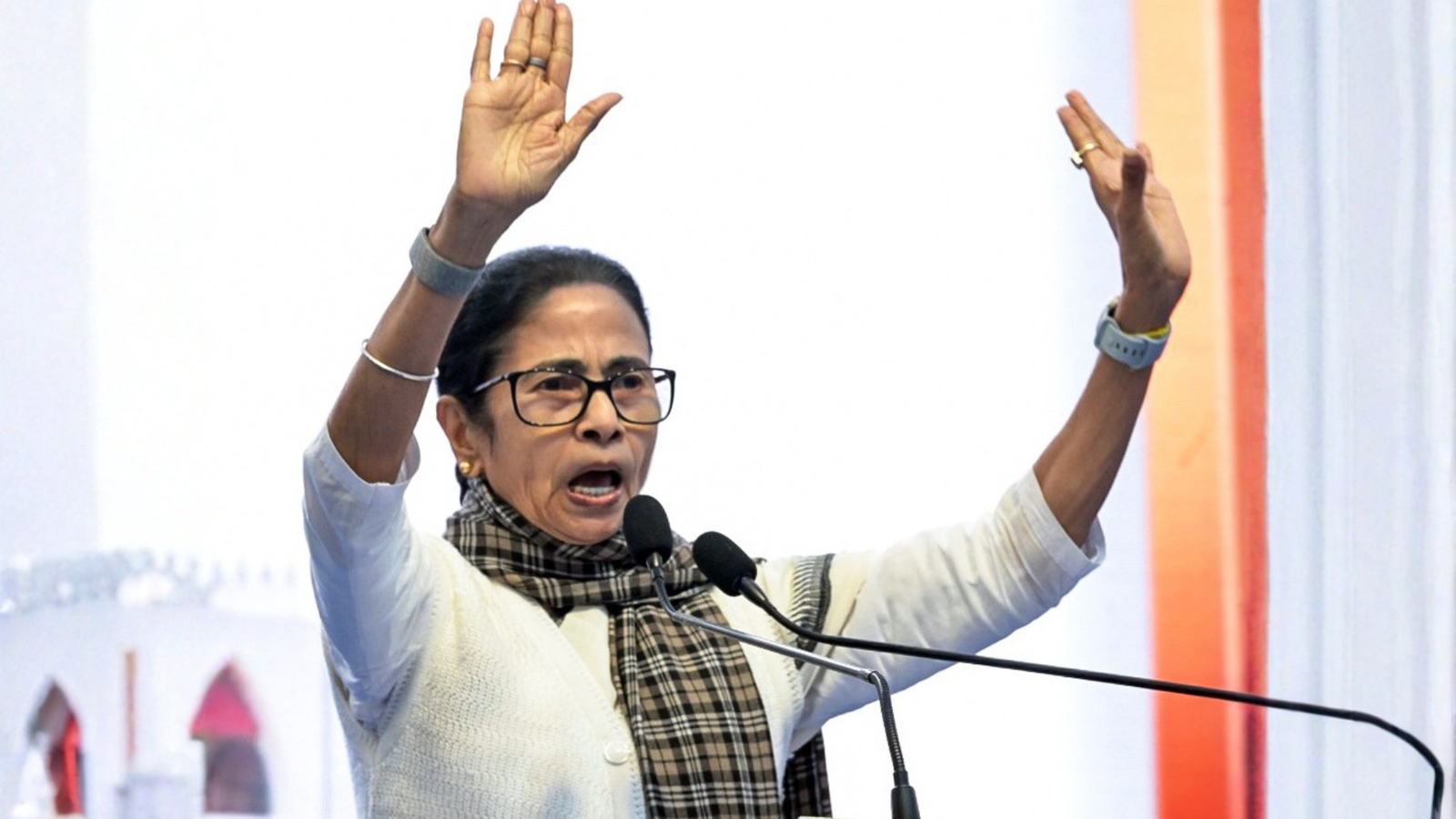
Former Lok Sabha secretary general and constitutional expert PDT Achary told PTI that Banerjee would eventually have to vacate office once a new chief minister is sworn in. “There cannot be two chief ministers in a state,” he said.
Senior advocate Ajit Sinha echoed a similar view, stating that the moment a new chief minister takes oath, the incumbent is “deemed to be out.”