One of nature's most remarkable survival strategies is bioluminescence. It is the capacity of living things to produce and release light through internal chemical processes. Insects, fungus, and marine life all exhibit this characteristic.
It is essential for survival, according to scientists and museums, from defense and hunting to communication and camouflage.
In India it can be seen in select beaches, forests, and islands during the right season. From Maharashtra and Goa to Karnataka, Meghalaya, and the islands of Lakshadweep and Andaman & Nicobar, several locations are known for rare glowing displays.
Where to observe bioluminescence in India
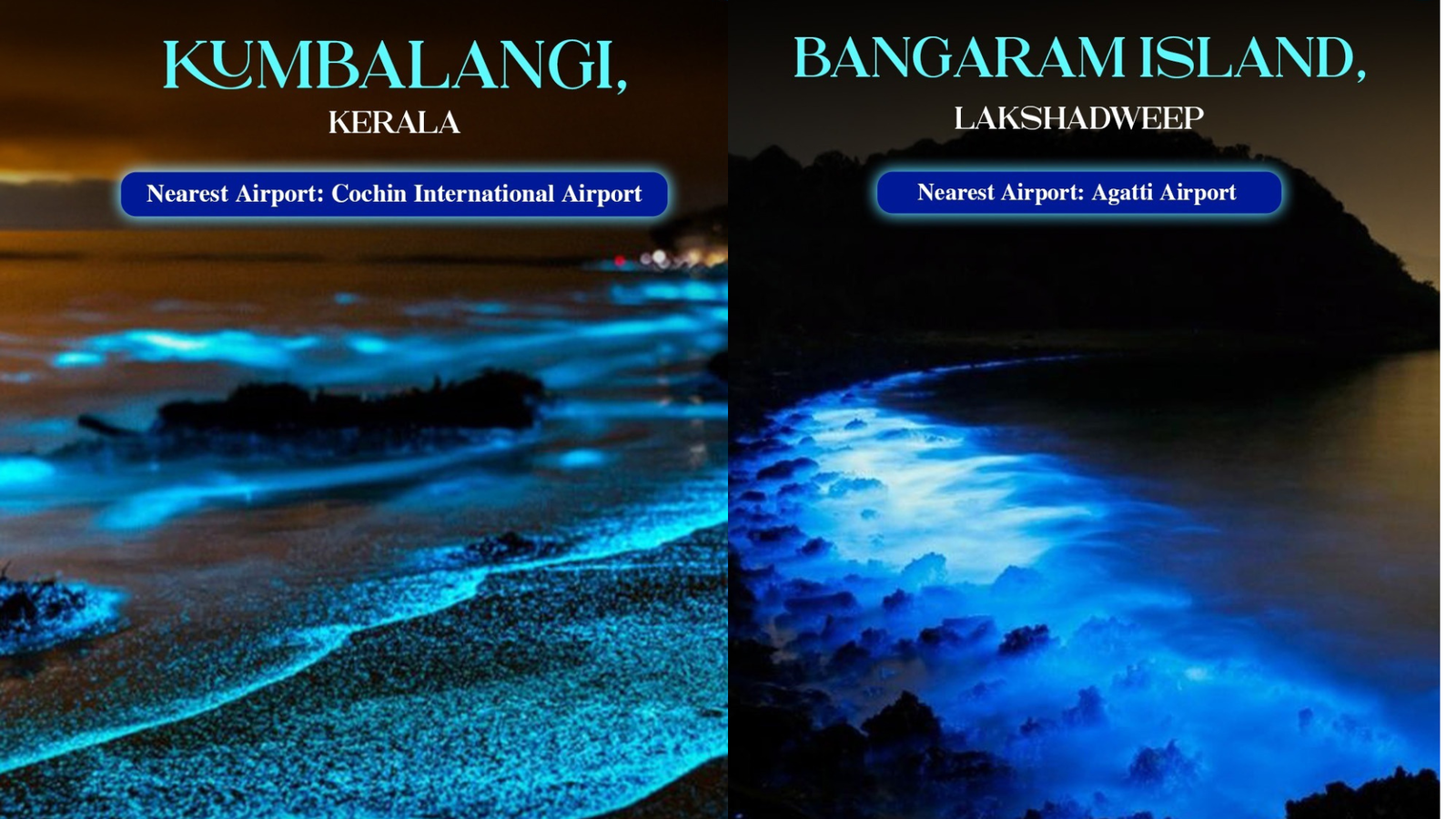
Bangaram Island in Lakshadweep is one of the most well-known places, where illuminating plankton can make the shoreline appear blue at night. Havelock Island in the Andaman and Nicobar Islands is another popular destination, with bioluminescent waters visible during the monsoon season and on moonless evenings.
Also Read | ‘This too shall pass’ trend gains ground as brands tap Samay Raina’s ‘Still Alive’ buzz
In Goa, Morjim Beach is also cited as a place where glowing plankton may be seen, while Times of India’s list includes Betalbatim Beach for its bioluminescent waters.
On the mainland, Mattu and Padukere beaches near Udupi in Karnataka are known for glowing blue waves linked to marine organisms commonly described as “sea sparkle.”
Nature Safari India also says some beaches in Maharashtra, including Juhu Beach in Mumbai and Velas Beach in Ratnagiri, have occasionally seen bioluminescent waves after heavy rains. Glowing waves at Juhu and Mattu Beach have also been observed.
Not limited to the sea
Water is not the only environment where bioluminescence occurs. According to reports, bioluminescent mushrooms exist in forested areas such as Krang Shuri and Mawlynnong in Meghalaya's West Jaintia Hills. While Mhadei Wildlife Sanctuary in Goa is well-known for its brilliant fungi, Purushwadi in Maharashtra is noted for its annual firefly display during the pre-monsoon months.
When combined, these sites demonstrate how India's bioluminescent wonders traverse hills, forests, and coasts, providing tourists with an unforgettable natural experience.