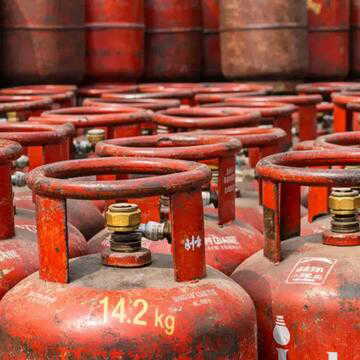
As global tensions disrupt fuel supply chains, LPG cylinders have come into sharper focus in everyday life. With shortages affecting households and restaurants in parts of India, many are looking more closely at how these cylinders work and why their design matters.
Why LPG cylinders are designed the way they are
LPG, or liquefied petroleum gas, is stored under pressure in liquid form inside cylinders. This allows a large quantity of gas to be packed into a compact container. The outer body, typically made of low-carbon steel, is built to handle pressure and temperature changes safely.
Also Read | 2 killed, 3 critically injured after trucks collide on Delhi–Dehradun Expressway in Ghaziabad
The structure usually includes a cylindrical body along with curved ends, known as domes. These rounded sections help distribute pressure evenly, reducing stress on the surface and lowering the chances of damage over time.
The role of the valve and protective ring
At the top of the cylinder sits the valve assembly, which controls the release of gas. This is fitted into a threaded opening called the bung. The valve, often made of brass, helps regulate gas flow and resists corrosion.
A protective collar surrounds this area. It acts as a shield, preventing damage to the valve if the cylinder is accidentally dropped or knocked.
What the holes at the base are for
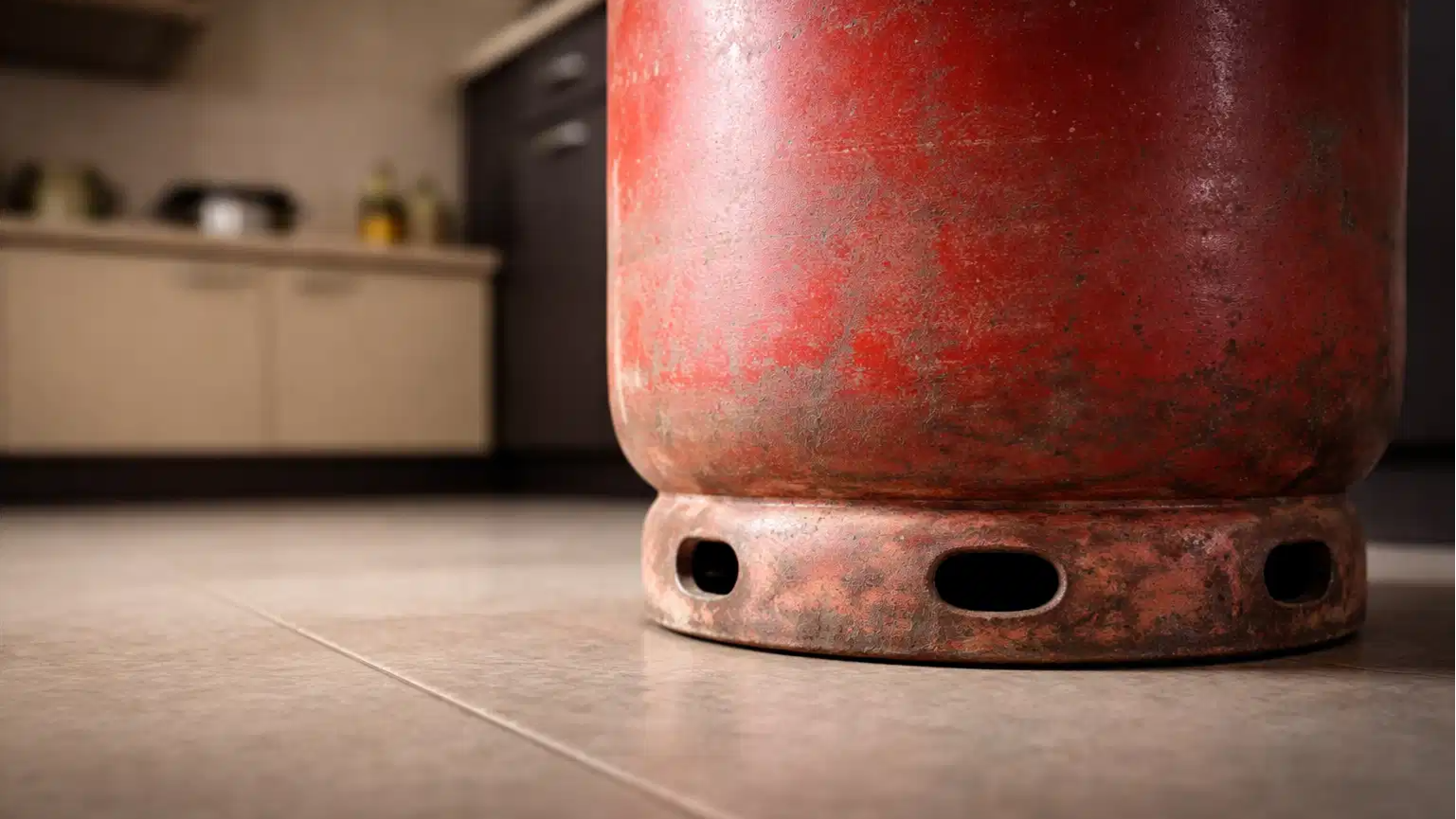
One of the most overlooked features is the foot ring at the bottom of the cylinder. This circular base supports the cylinder and keeps it stable.
It also contains small holes, which serve important safety functions. These openings allow air to circulate, preventing moisture from building up underneath. This helps reduce the risk of rust. The holes also ensure that any leaked gas does not accumulate at the base, as LPG is heavier than air.
LPG cylinders are not filled to full capacity. Around 15 to 20 per cent of the space is intentionally left empty to allow the gas to expand with temperature changes. This prevents excessive pressure build-up.
Also Read | How a suspected electric car fire turned deadly for an Indore family of six
Additional safety features may include pressure relief systems that release gas if internal pressure rises beyond safe limits.
Materials and durability
While steel cylinders remain common, newer options like composite and aluminium cylinders are also being used. These are lighter, resistant to corrosion, and in some cases, allow users to monitor gas levels more easily.
From the smallest holes at the base to the materials used in construction, every part of an LPG cylinder is designed with safety and efficiency in mind.