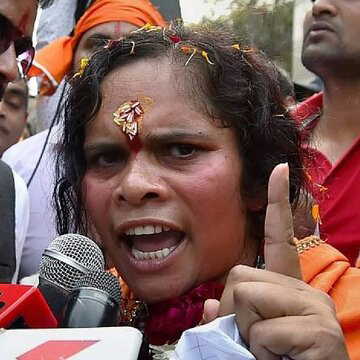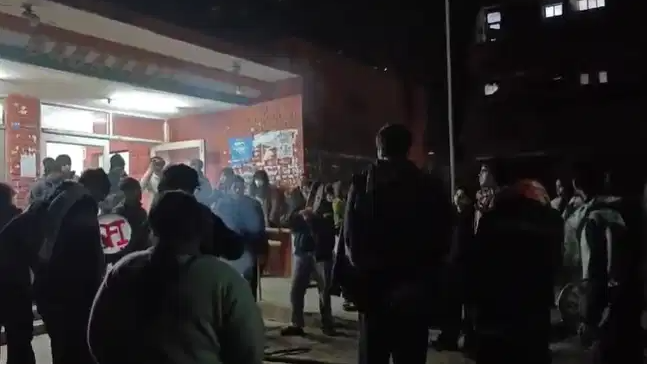
Protests broke out at Jawaharlal Nehru University (JNU) on Monday after the Supreme Court of India refused to grant bail to former JNU students Umar Khalid and Sharjeel Imam in the February 2020 Delhi riots conspiracy case.
Videos of the protest circulated widely on social media platforms, with some clips purportedly showing objectionable slogans being raised against Prime Minister Narendra Modi, Union home minister Amit Shah, and industrialist Gautam Adani. There was no immediate confirmation from university authorities regarding the slogans.
The demonstrations took place on the sixth anniversary of the January 5, 2020 violence on the JNU campus, when masked attackers assaulted students and faculty members inside hostels and academic buildings. The video consisted of slogans directed at PM Modi that might sound obligatory.
As per an ABP-live news report, JNU described the incident as a “brutal attack” and alleged that those responsible have not been identified even after six years, stating that the attackers remain “masked” as no arrests have been made in the case.
Supreme Court ruling in 2020 riots case
Earlier in the day, a bench of Justices Aravind Kumar and N V Anjaria refused bail to Khalid and Imam while granting bail to five other accused namely Gulfisha Fatima, Meeran Haider, Shifa Ur Rehman, Mohd Saleem Khan and Shadab Ahmad.
According to the court order, Khalid and Imam were placed on a “qualitatively different footing” from the other accused. The bench said they were allegedly involved in the “planning, mobilisation and strategic direction” of the violence that erupted in northeast Delhi in February 2020.
The court, however, allowed both Khalid and Imam to move fresh bail pleas either after the examination of protected witnesses or one year from the date of the order.
It was not immediately clear when the five accused granted bail would be released from custody, though their legal teams indicated that the process could be completed within a day.
The February 2020 riots, which broke out amid protests against the Citizenship (Amendment) Act (CAA) and the proposed National Register of Citizens (NRC), left at least 53 people dead and more than 700 injured.
Khalid, who has been in custody since 2020, drew recent public attention after New York City mayor Zohran Mamdani sent him a handwritten note expressing empathy.