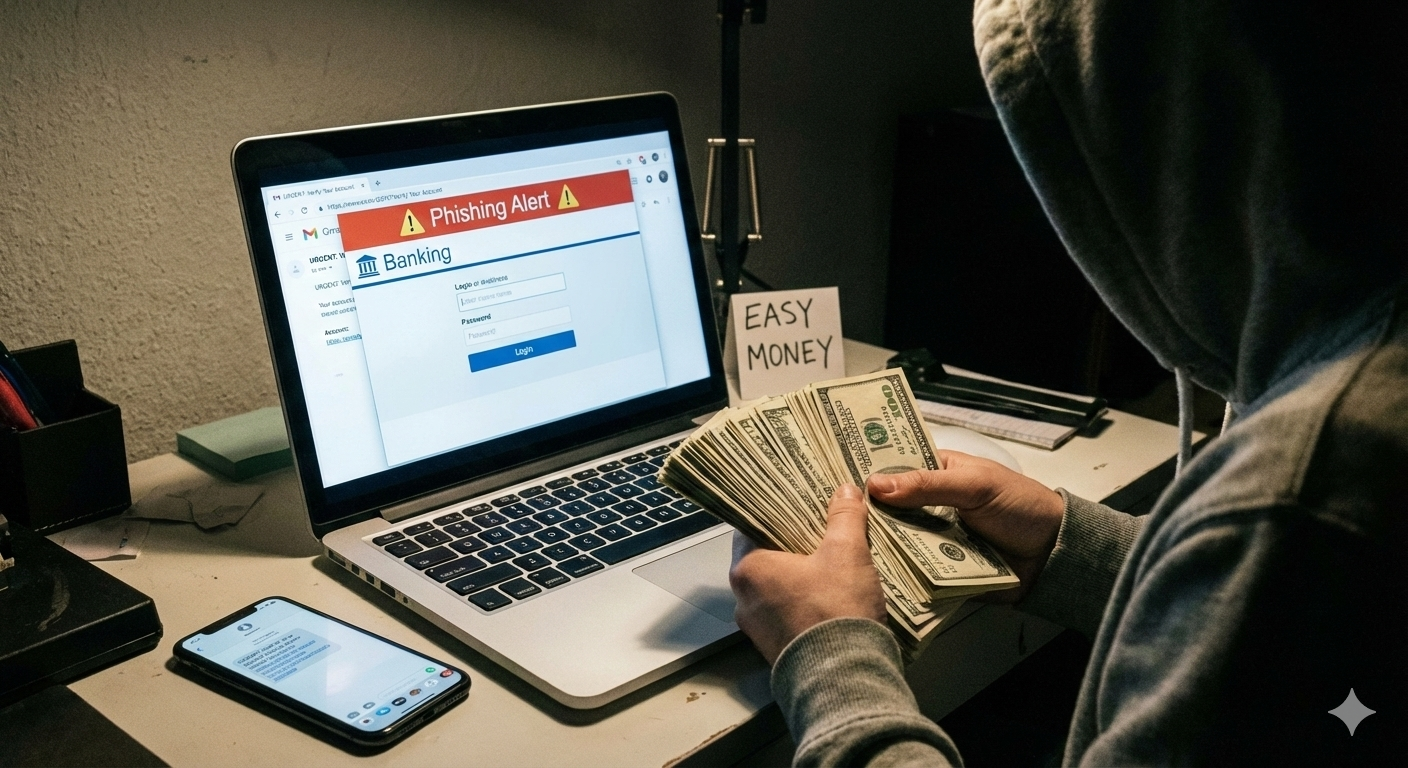
A message claiming that the Union Ministry of Finance is depositing ₹46,715 into every citizen’s bank account is being widely shared on social media platforms. The message says the amount is being credited as part of a government initiative to address the country’s “financial crisis”.
The claim, however, has been found to be false.
Also Read | Digital detox made simple: Top 5 apps to help you disconnect and focus
The Press Information Bureau’s Fact Check unit has clarified that the Ministry of Finance has not announced or launched any such scheme. Officials said the message is fake and is being circulated to mislead people.
PIB warns against phishing links
Along with the claim, the viral message includes a link or button labelled “Register for support”. PIB Fact Check said such links are commonly used for phishing, a form of online fraud in which users are tricked into sharing personal and banking details under the guise of registration or verification.
“After investigation, it was found that this claim is completely false. The Ministry of Finance has not announced any such scheme. Do not click on the link. Do not share it,” PIB Fact Check said in a post on X.
Phishing scams often attempt to collect sensitive information such as bank account numbers, ATM PINs, OTPs and Aadhaar details. Authorities have warned that clicking on such links or filling in forms can lead to financial loss.
Also Read | Planning new investments in 2026? Beware of fake trading courses and social media scams
The government has urged citizens not to trust messages offering large cash transfers or benefits without official confirmation. People are advised to verify information only through authorised government websites or official social media handles.
Officials also appealed to the public not to forward such messages and instead report them to the cybercrime helpline or the PIB Fact Check unit. “Tempting messages are often designed to exploit people’s anxiety and financial stress,” an official said.