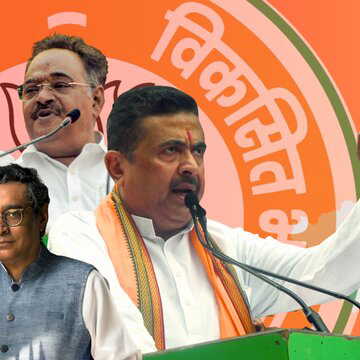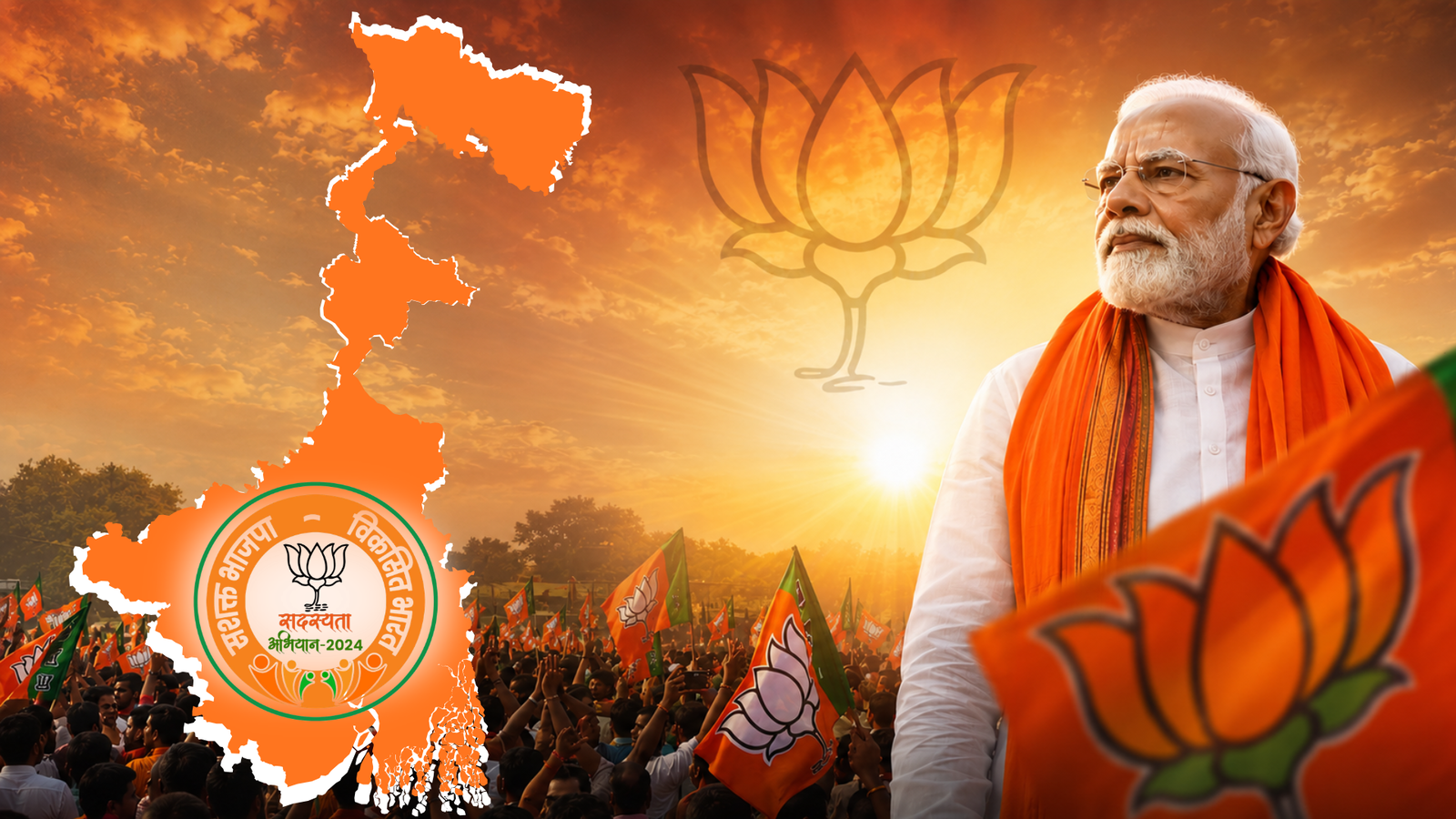
While the spotlight in West Bengal remained fixed on high-voltage rallies, fiery speeches, and political face-offs, much of the Bharatiya Janata Party’s rise in the state was being shaped far away from the cameras. At the centre of that effort were two key organisational figures: Sunil Bansal and Bhupender Yadav.
For nearly four years, both leaders remained deeply involved in Bengal’s organisational restructuring, focusing less on optics and more on booth-level preparation, cadre discipline, and long-term political expansion.
Rebuilding the party from the ground up
Unlike conventional election campaigns driven primarily by rallies and slogans, the Bengal strategy revolved around rebuilding the BJP’s grassroots machinery. One of the major tasks undertaken by Bansal was reconnecting with old BJP karyakartas who had either become inactive or drifted away from the organisation over the years.
Also Read | ‘Historic, decisive’: PM Modi receives Trump’s congratulations after BJP’s Bengal sweep
At the same time, new entrants into the party were brought in through a structured system instead of unchecked expansion. Party insiders say the emphasis remained on discipline, coordination, and accountability across every organisational layer.
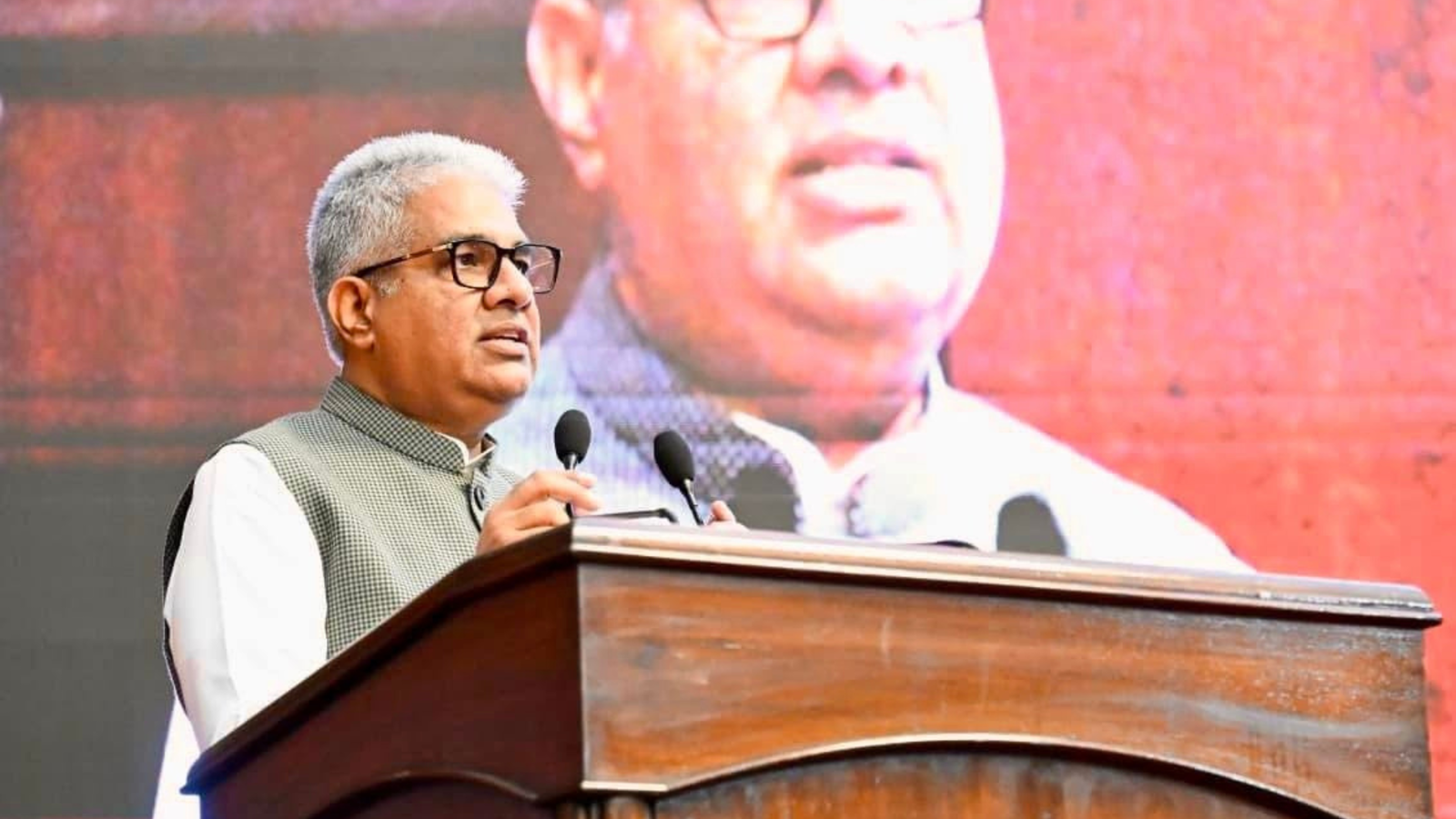 Bhupender Yadav /FB
Working closely with Bhupender Yadav during crucial phases, Bansal reportedly maintained an intense schedule on the ground. Both leaders spent months travelling across districts, holding back-to-back organisational meetings and directly interacting with workers. According to party functionaries, meetings often stretched late into the night as efforts were made to resolve internal issues and strengthen coordination.
The booth blueprint behind BJP’s Bengal rise
The backbone of BJP’s Bengal push was booth-level expansion. Sunil Bansal, known inside the party for his data-focused organisational style, pushed a system where every polling booth was treated as an independent electoral unit.
Also Read | Who will be Bengal’s new CM? Here’s a list of possible names
With nearly 80,000 polling stations in West Bengal, BJP’s internal estimates suggested that by the end of 2024, functional booth committees had been formed in over 65,000 booths. The focus was not limited to election-time mobilisation alone. Workers were assigned smaller voter clusters to maintain regular contact with households and strengthen local outreach.
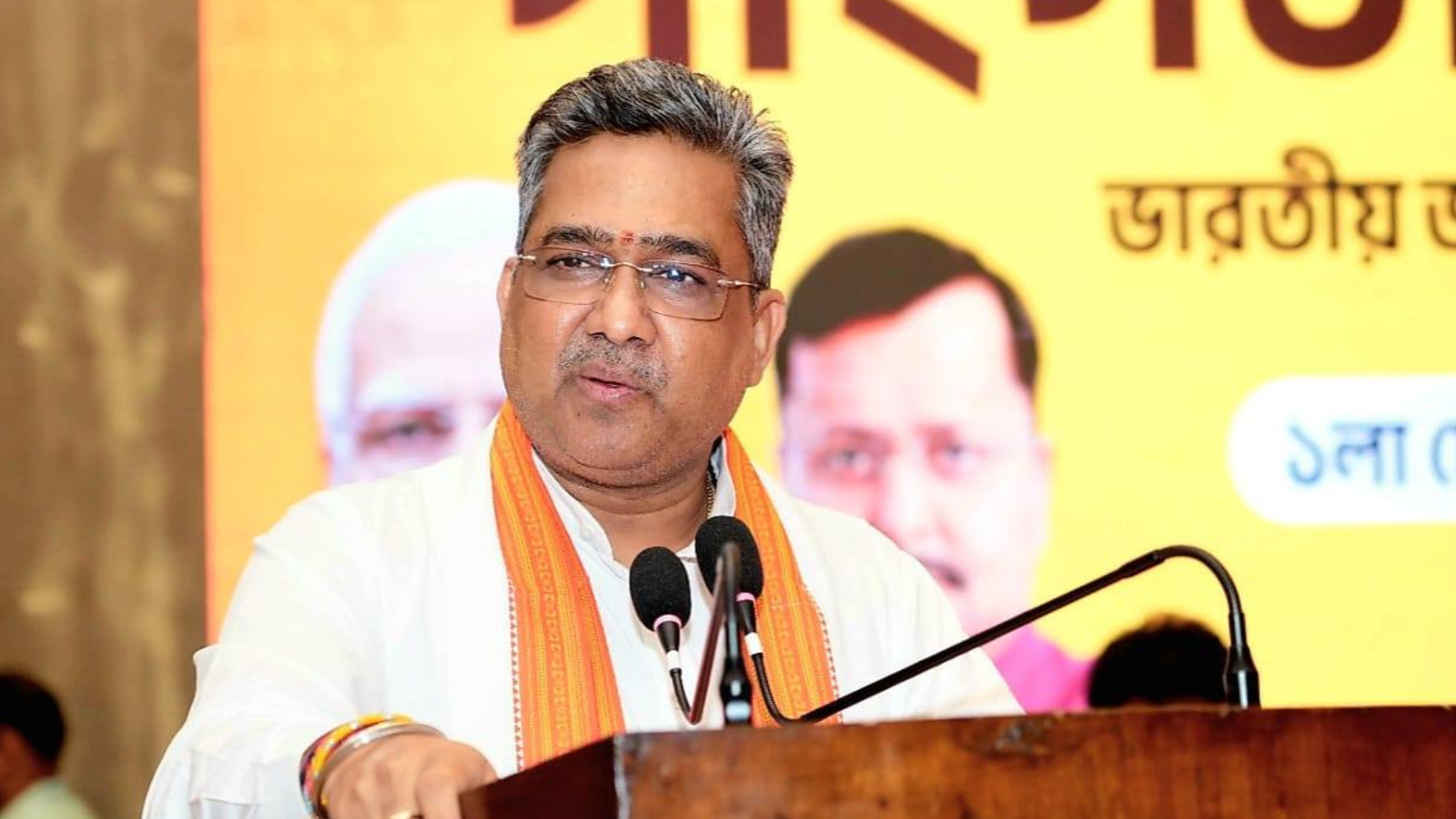 Sunil Bansal /FB
Learning from the setbacks of 2021, the party also enforced tighter control over ticket distribution. Entry into the BJP did not automatically guarantee candidature. Organisational strength, local credibility, and public acceptance became key considerations.
Also Read | No tolerance for self-proclaimed members, BJP spokesperson clarifies on post-poll scenario
The organisational face of BJP’s expansion
Inside the BJP, Sunil Bansal is often viewed as the man who “delivers in difficult situations.” Unlike headline-driven politicians, he largely operates behind the scenes, rarely speaking publicly or seeking attention.
His work in Bengal reflected the same approach seen earlier in states like Uttar Pradesh, Odisha, and Telangana, where organisational expansion preceded electoral gains. In Bengal too, the strategy centred on structure, booth management, and relentless groundwork rather than headline politics alone.