Medicine consumers all over India are gearing up for a potential shortage of medicines following the All India Organisation of Chemists and Druggists (AIOCD) call for a countrywide strike on Tuesday, May 20.
The agitation, which has lakhs of chemists, pharmacists, and drug dealers backing it, comes as a result of opposition against the sale of medicines online and the discounting strategies employed by the e-pharmacies. Nonetheless, there is a likelihood that the effects of this strike will differ depending on the state and city due to disassociation with the bandh being witnessed in some pharmacy associations.
Also Read | Nationwide chemists' strike on May 20: What is the dispute about?
According to the AIOCD, the sale of medicines online without regulation poses threats to consumer health through the lack of proper prescription verification. As reported by Indian Express, AIOCD general secretary Rajiv Singhal highlighted the issue of “wrong or fake prescriptions” on the online sites.
What may remain open during the strike
Despite the nationwide call, a complete shutdown across India appears unlikely.
Government sources quoted by NDTV reportedly said pharmacy associations from states including Uttar Pradesh, Maharashtra, Karnataka, Kerala, Punjab and West Bengal have distanced themselves from the strike.
That means many local chemist shops may continue operating depending on the city and local participation levels.
Emergency services are also expected to remain functional. These include:
Hospital-attached pharmacies
Government hospital medicine counters
Emergency medicine shops
Some 24x7 pharmacies
Jan Aushadhi Kendras in several areas
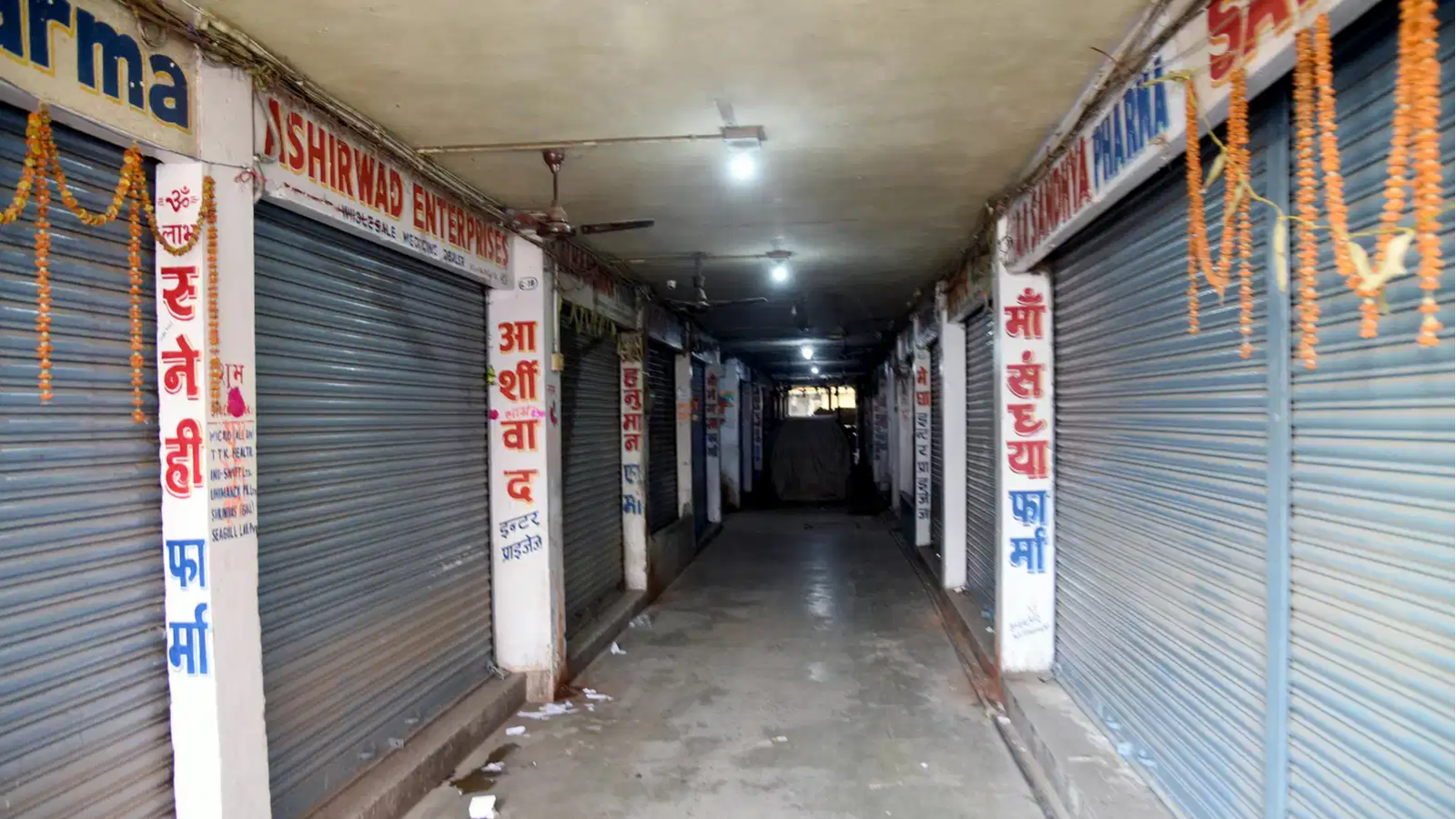 Representational Image The AIOCD has demanded the withdrawal of two government notifications: GSR 220(E) and GSR 817(E) ANI
 However, standalone neighbourhood chemists and wholesale distributors in some markets could remain shut for the day, potentially affecting local supply chains.
Why e-pharmacies are at the centre of the dispute
The protest reflects a larger conflict between traditional retail chemists and India’s rapidly expanding online medicine delivery sector.
The AIOCD has objected to government notifications GSR 220(E) and GSR 817(E), alleging they created loopholes that allowed online medicine platforms to operate without a clearly defined regulatory structure.
Chemist groups have also accused e-pharmacy companies of using deep discounts, sometimes between 20 and 50 per cent, making it difficult for smaller independent pharmacies to compete.
The issue gained momentum after doorstep medicine delivery expanded rapidly during the Covid-19 pandemic and continued even after restrictions were lifted.
Patients advised not to wait till the last minute
Medical experts and pharmacy bodies have advised patients dependent on daily medication to keep a few days’ supply ready.
People managing chronic illnesses such as diabetes, hypertension, asthma, thyroid disorders and heart disease may face inconvenience if local supply chains slow down temporarily.
Also Read | Petrol, diesel prices hiked again: Check latest rates in Delhi, Mumbai, Kolkata
Even in cities where pharmacies remain open, consumers could still experience delays, limited operating hours or temporary stock shortages if wholesale operations are affected.
Government officials have said discussions with stakeholders are continuing and healthcare access should not be disrupted during the protest period.